
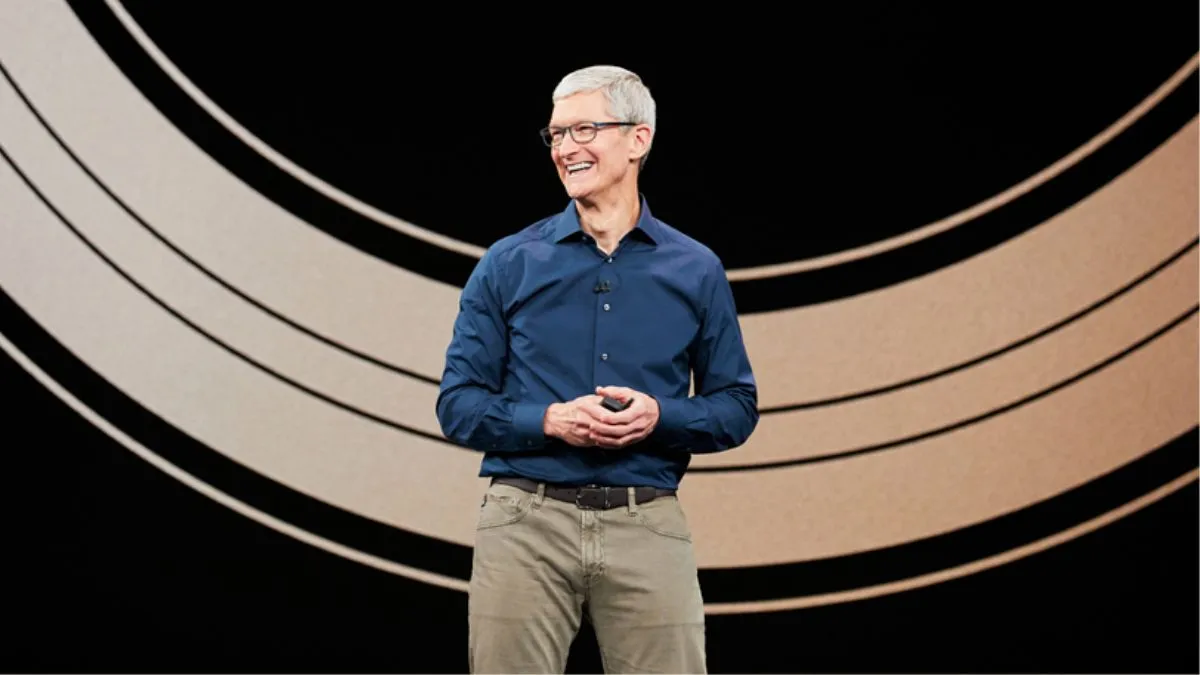
Apple CEO Tim Cook is expected to retire as early as next year (2026), after serving the company for 14 long years. Cook turned 65 this year (2025), and he was appointed as CEO in 2011, after the death of Steve Jobs, the co-founder of Apple. Under his leadership, the company made some breakthrough announcements and the biggest product launches, new category expansions and unprecedented financial growth.
A long-planned transition, not performance-driven
As per the Financial Times report, sources close to the matter say Cook's departure has nothing to do with Apple's performance; rather, it's part of a transition that was in the works for a long time. Apple is reportedly unlikely to reveal its next CEO before its quarterly earnings report, expected in late January. This delay would give ample time to the coming executive team to settle in before Apple's annual launch cycle begins mid-year, starting with WWDC in June.
John Ternus emerges as the leading contender
Although no final decision has been made, it is speculated and stated that Cook is willing to promote someone from within for the leadership role. One leading candidate includes John Ternus, Senior Vice President of Hardware Engineering, who is considered the most likely candidate.
Ternus comes with in-depth experience in hardware engineering and has been part of many important Apple products. He has been viewed as a stabilising force in the continuation of Cook's legacy.
Cook's legacy as CEO of Apple: Bringing the company from USD 350 billion to USD 4 trillion
During the tenure of 14 years, Apple’s market capitalisation reportedly grew from about USD 350 billion to nearly USD 4 trillion, making it one of the most valuable companies in the world.
The most recent earnings from the company have pushed Apple shares close to all-time highs recorded so far.
The company is further projected to have the best-ever holiday quarter, with revenue growth of 10-12 per cent year-on-year, above earlier Wall Street estimates of 6 per cent.

Even though Apple lags behind rivals like Alphabet, Microsoft, and Nvidia in some areas, the company remains confident about its trajectory of growth under forthcoming leadership.