
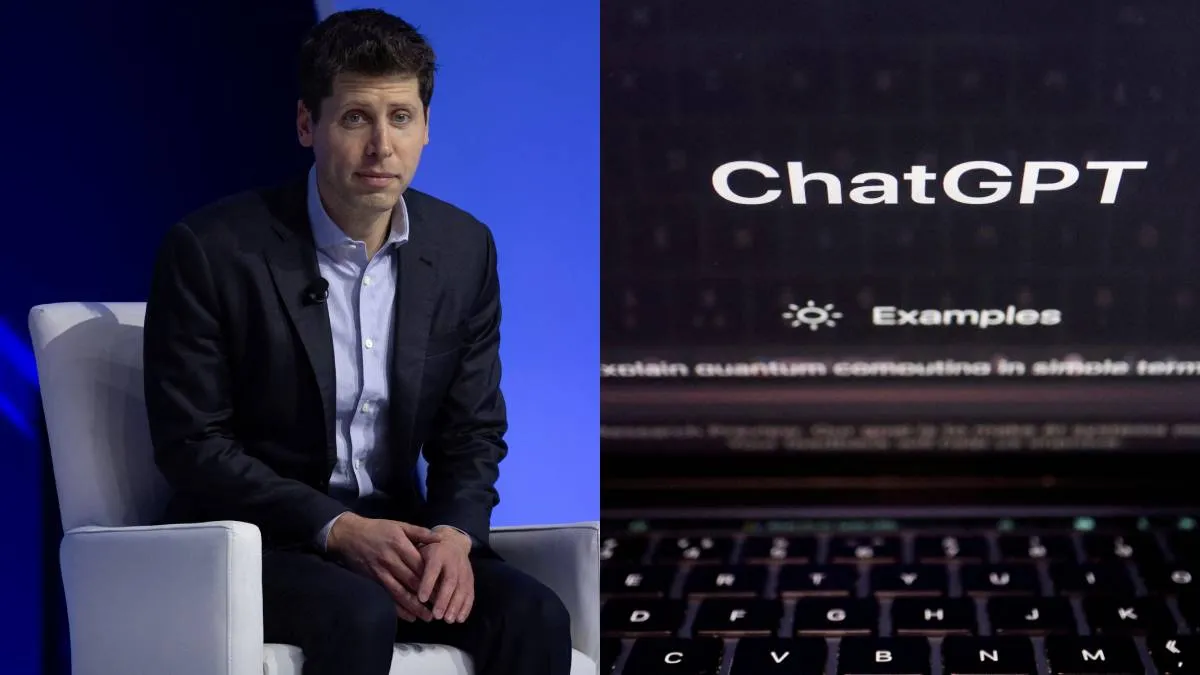
OpenAI's CEO, Sam Altman, recently pointed out that user politeness—such as incorporating "please" and "thank you" in conversations with ChatGPT—plays a significant role in the company’s operating costs. A user on X had asked how much OpenAI spends on electricity due to these courteous exchanges. Altman responded that it accounts for "tens of millions of dollars well spent," implying that the benefits of these interactions are not easily measured. He elaborated that while these polite expressions may seem insignificant, they require ChatGPT to interpret and generate complete responses, which increases the computational load. This rise in processing demands, in turn, leads to higher energy consumption and expenses for the company.
Necessity of politeness toward AI chatbots
In the debate over the necessity of politeness toward AI chatbots, some design experts believe it holds real importance. Kurtis Beavers, a design manager at Microsoft, told Futurism that using good etiquette "helps generate respectful, collaborative outputs." He noted that polite language sets a positive tone for responses.
This is understandable, as AI can be viewed more as sophisticated predictive systems—much like your phone’s autocomplete feature—but capable of producing complete answers to questions or commands. According to a memo from Microsoft WorkLab, "When it recognizes politeness, it’s more likely to respond politely." Moreover, generative AI mirrors the professionalism, clarity, and detail found in the prompts provided to it.
Meanwhile, Google has recently warned all Gmail users about a new phishing scam that poses a significant risk. This scam involves emails that look convincingly legitimate, making it difficult to discern their authenticity. Attackers aim to trick individuals into revealing their account passwords and other personal information. It’s crucial to remain vigilant and verify the authenticity of any unexpected emails you receive.
ALSO READ: Your phone is listening to your conversations: Check these settings immediately
