
The Uttarakhand High Court has officially mandated that the state may now issue summons in cheque bounce cases through email and WhatsApp. According to a circular issued by Registrar General Yogesh Kumar Gupta, the court has directed that summons in such cases will no longer be restricted to traditional delivery methods.
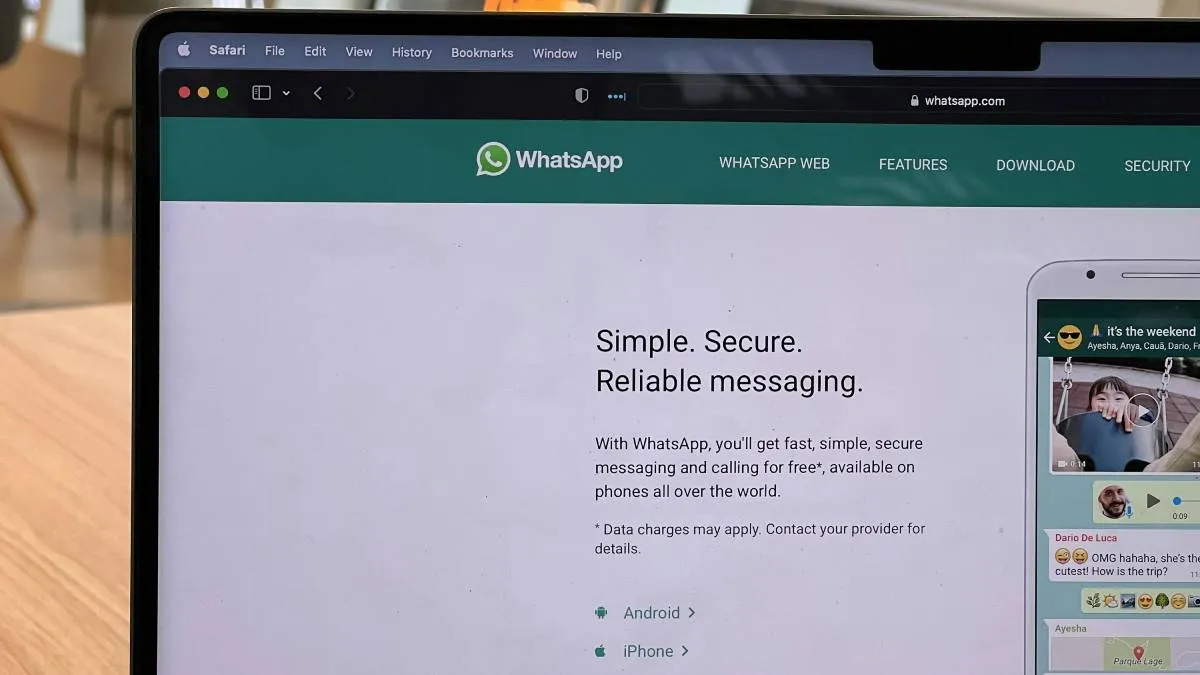
Under the Uttarakhand Electronic Process Rules, 2025, summons can now be served via email, mobile phones, and messaging applications like WhatsApp.
Key procedural changes
- Filing requirements: When filing a complaint, the complainant must provide the accused individual's email address and WhatsApp contact details. This must be accompanied by a mandatory affidavit certifying the authenticity of the information.
- Case entry: A synopsis in a prescribed format must be attached to every complaint, which will then be entered into the judicial computer system by court staff.
- Streamlined process: Before issuing a summons to the accused, no additional procedure under Section 223 of the BNNS will be required.
- Automated tracking: A new draft template has been integrated into the court's software to automatically calculate the limitation period relating to the "cause of action," according to the circular.
Online settlement and early relief
To facilitate a faster resolution, the court has introduced an online payment option. The summons will now explicitly mention this facility and include a direct payment link.
The accused can deposit the cheque amount by entering their CNR number or case credentials. If the payment is successfully made through this portal, the court may exercise its power to close the case based on compounding.
Legal context
These directives were issued in compliance with a recent Supreme Court judgment in Sanjabij Turi v. Kishore S. Barkar. The apex court observed that the millions of pending cheque bounce cases across India place a significant burden on the judicial system.
The High Court further cautioned that providing false email or WhatsApp information during the filing process may result in strict penal action.
