
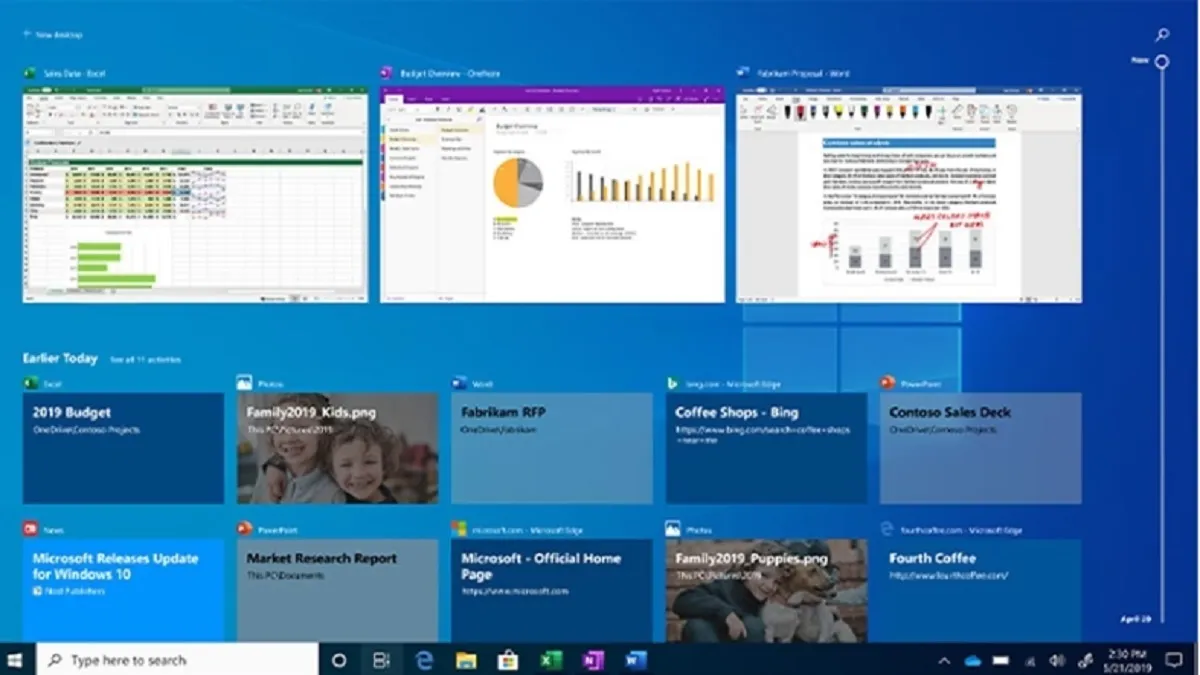
Microsoft, one of the leading tech giants, has officially confirmed that Windows 10 support will end on October 14, 2025. After this date, PCs running Windows 10 will no longer receive free monthly security updates. This could leave systems vulnerable unless users opt for Microsoft’s paid extended coverage.
Windows 10 support ends in October 2025
Paid security updates for consumers
For the first time, Microsoft is extending a paid option to everyday users. Consumers can pay USD 30 for one additional year of security updates, extending protection until October 2026.
However, the move has sparked criticism, as many feel paying extra just to keep their existing PCs safe is unfair.
Alternatives: OneDrive backup or Microsoft rewards
To soften the blow, Microsoft is offering two alternatives:
- Use the Windows Backup app to store files on OneDrive.
- Redeem 1,000 Microsoft Rewards points for an extra year of security support.
Even with these options, critics argue that the solutions are not enough to address the wider problem.
The e-Waste concern
Consumer groups like the Public Interest Research Group (PIRG) warn that Microsoft’s decision could lead to massive e-waste. Nearly 400 million PCs cannot upgrade to Windows 11 due to strict hardware requirements. This means millions of perfectly usable computers may be discarded, creating environmental concerns.
Businesses get more support than consumers
One major criticism is the unequal treatment between businesses and consumers. While companies can purchase up to three years of extended support, home users are being offered only one. Experts argue that at least two to three years of updates for everyone would be a fairer approach. Some even suggest ad-supported updates as a possible compromise.

What should Windows 10 users do?
If you are still on Windows 10, you now have three choices:
- Pay USD 30 for one more year of updates.
- Use OneDrive backup or Microsoft Rewards for limited coverage.
- Consider upgrading your device to Windows 11 (if supported).
The debate continues, but one thing is clear: Windows 10 users will need to plan before October 2025.