
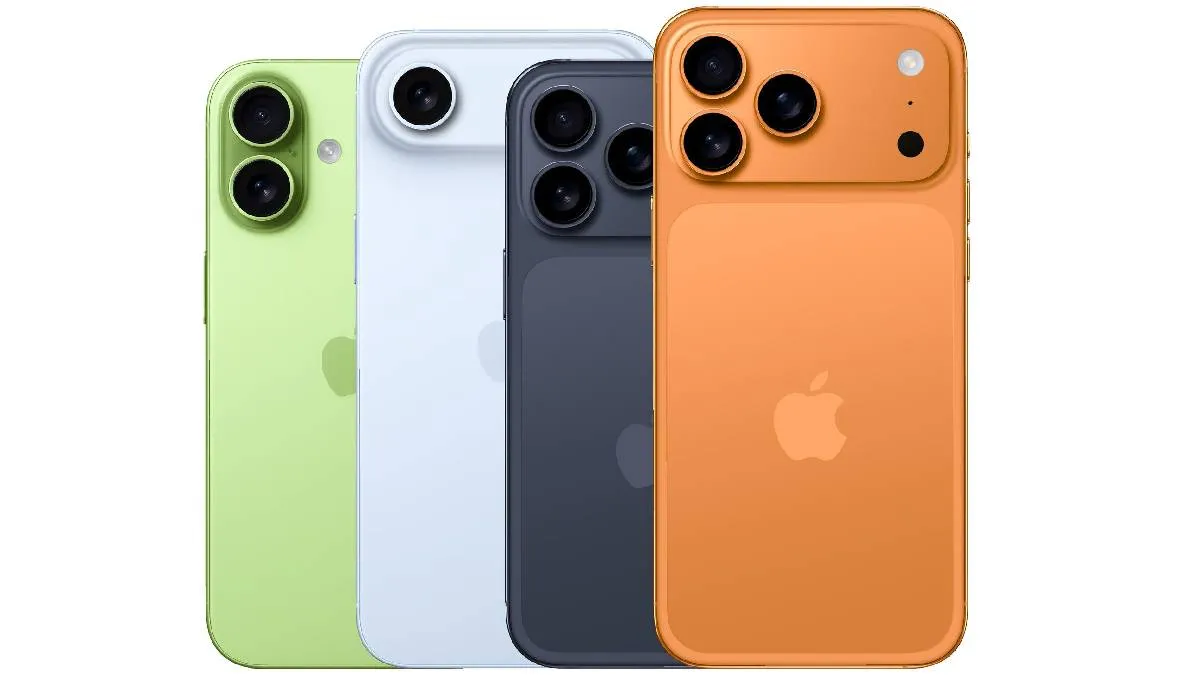
Apple iPhone 17 series is finally official, which includes the iPhone 17, iPhone 17 Pro, iPhone 17 Pro Max, and the ultra-thin iPhone 17 Air. This lineup brings a major change in mobile connectivity by expanding the eSIM-only approach to many countries. The iPhone Air, which measures just 5.64mm in thickness, was the highlight and stood out as the slimmest iPhone ever and Apple’s first globally eSIM-only device, with no physical SIM card slot.
iPhone 17 models: eSIM-only and Hybrid variants
While the iPhone Air is exclusively eSIM worldwide, the iPhone 17, 17 Pro, and 17 Pro Max are available in two types, depending on the market:
- eSIM-only models in selected countries
- Nano SIM + eSIM hybrid models in other regions
This strategy allows Apple to adapt based on regional infrastructure, telecom support, and user demand.
Countries getting eSIM-only iPhone 17 models
For the first time, Apple has introduced eSIM-only iPhone 17 models in 12 countries. These include:
- United States
- Canada
- Saudi Arabia
- United Arab Emirates
- Japan
- Mexico
- Qatar
- Kuwait
- Guam
- US Virgin Islands
- Bahrain
- Oman
In these markets, buyers of the iPhone 17, 17 Pro, or 17 Pro Max will not get physical SIM card slots.
Why Apple is removing physical SIM slots
Apple’s push for eSIM technology is mainly driven by design and efficiency. In slimmer models like the iPhone Air, eliminating the SIM tray frees up internal space, allowing for a thinner profile and improved components. eSIM also offers practical benefits, such as:
- Quick carrier switching without changing physical SIM cards
- Better security as eSIMs are harder to duplicate or misuse
- Streamlined setup for international travellers
However, users in eSIM-only countries may face challenges if they are used to swapping SIM cards when changing networks or travelling.

Market-specific adaptations
Interestingly, Apple has not adopted eSIM for China. The iPhone 17 models in the Chinese market continue to support only nano SIM cards, though the iPhone Air remains eSIM-only worldwide. In India and several other regions, Apple offers hybrid models with both nano SIM and eSIM support, giving users more flexibility.