
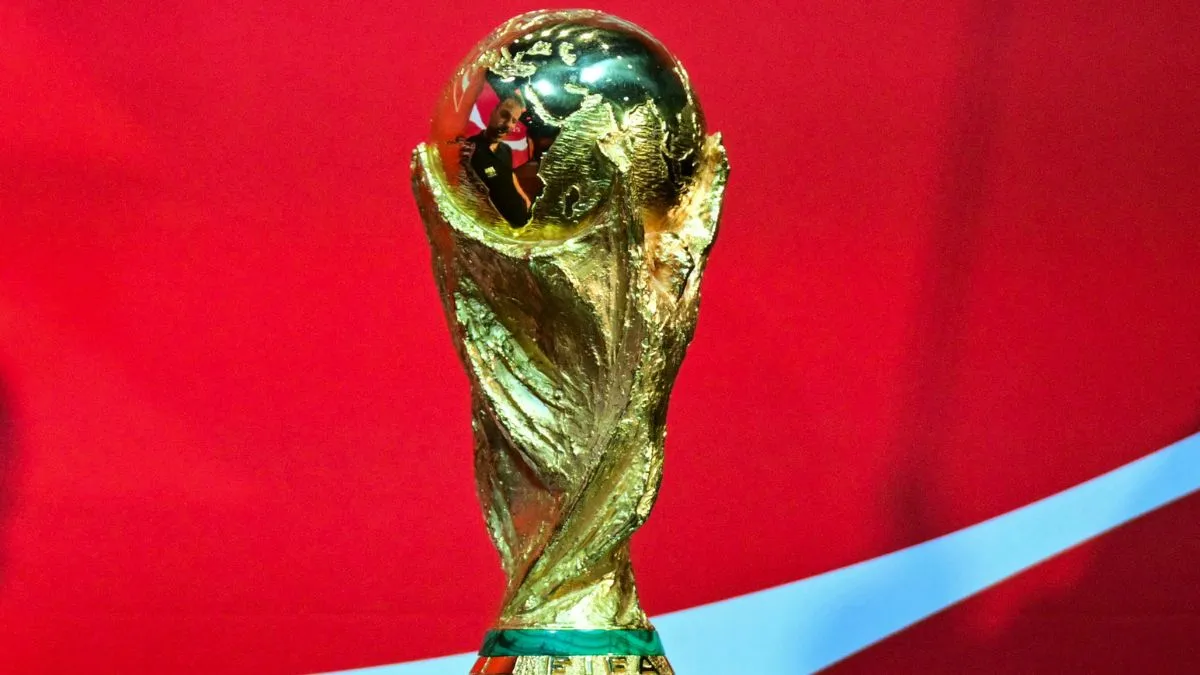
With the FIFA World Cup 2026 set to begin in June, uncertainty looms over its broadcast in India as media rights for the tournament remain is not yet finalised. No broadcaster, be it for television or digital coverage, has approached FIFA to own the rights, which has left the fans in a dilemma over the competition.
Notably, the rights sales process has been underway since mid-2025, but it has failed to generate meaningful traction in the market. FIFA had initially pegged the combined value of the 2026 and 2030 editions at $100 million. That figure was later revised sharply downward to $35 million in an attempt to attract interest, but the response has remained muted.
The contrast with the previous edition is stark. As per an India Today report, Viacom18 had acquired the rights for the 2022 World Cup in Qatar for $62 million, a deal that underlined the event’s commercial appeal at the time. Replicating a similar agreement now appears increasingly unlikely.
A key shift has been the consolidation within India’s sports broadcasting landscape. The merger of Star India and Viacom18 into JioStar has effectively reduced the number of major bidders in the market. With fewer players competing, the urgency to secure premium global properties has diminished. Other networks have also shown caution when it comes to committing large sums.
Reason behind no bidders for FIFA World Cup 2026 in India
Financial priorities have played a decisive role as well. Broadcasters have already spent heavily on cricket properties, particularly rights linked to the International Cricket Council and the Board of Control for Cricket in India. These investments have tightened budgets, making it difficult to justify additional expenditure on football tournaments.
There are also practical challenges tied to the tournament itself. Matches scheduled across the United States, Canada, and Mexico will be played at times that fall late at night or early morning in India. Such timings are expected to affect live viewership numbers, which in turn impacts advertising revenue.
Unlike cricket, football offers limited scope for commercial breaks, adding another layer of complexity for networks that rely heavily on ad-driven income. For now, the situation remains unresolved. As the countdown to the World Cup continues, the absence of a broadcast partner highlights deeper changes within India’s sports media industry and raises the possibility that fans may struggle to follow the event live.
