
Pakistan have repeatedly stirred controversy during one of the world’s biggest sporting events. From statements about agreeing to play in Colombo, to outright refusals to play, to declarations of support for Bangladesh and threats of skipping the T20 World Cup altogether and then, to only skip the much-anticipated clash against India, the noise has been constant.
This comes at a time when the ICC has expanded the tournament to 20 teams, drawing unprecedented global attention to the game. Despite all the posturing, the Pakistan Cricket Board (PCB) ultimately relented and confirmed it would play India on February 15 in Colombo. So one may ask, what was the necessity for all the drama?
Now, history shows that Pakistan have consistently been a source of disruption in major tournaments. Whether it was the 2023 ODI World Cup, the 2025 Champions Trophy, or the most recent Asia Cup, the pattern has remained the same, that is repeated controversy with little to no consequence.
During the 2023 World Cup, the PCB initially refused to travel to India. However, once the ICC made it clear that venues would not be altered to accommodate them, Pakistan eventually showed up for the tournament. Did that episode prompt any reflection or change in approach? Clearly not.
A similar script unfolded ahead of the 2025 Champions Trophy. India openly stated well in advance that they would not travel to Pakistan. In response, Pakistan threatened to boycott the tournament altogether. India, meanwhile, stood firm and confirmed they would not participate unless a viable solution was found. Faced with the reality that a tournament without India would result in massive financial losses, the PCB eventually backed down and agreed to allow India to play their matches in the UAE.
The situation reached a boiling point when PCB chief Mohsin Naqvi, who also serves as the current Asian Cricket Council (ACC) president, reportedly refused to hand over the Asia Cup trophy to India. Suryakumar Yadav’s side had won the tournament after defeating Pakistan in the final, but in the aftermath of the terror attack in Pahalgam, India declined to receive the trophy from Naqvi. In response, Naqvi took possession of the trophy himself, with reports suggesting that it remains with him and will not be handed over unless India personally comes to claim it.
Focus on politics, less on cricket
Despite all the drama over the past three years, Pakistan appear far from done. Once again, they attempted to stir controversy ahead of the 2026 T20 World Cup, only to back down in the end, just as everyone expected.
The board appears unwilling to learn from its past mistakes, continuing to repeat the same behaviour time and again. While other sporting bodies, whether in cricket, football, or any other sport, focus on growth, development, and on-field performance, Pakistan seem far more invested in politics than the game itself. The consequences of that approach are evident.
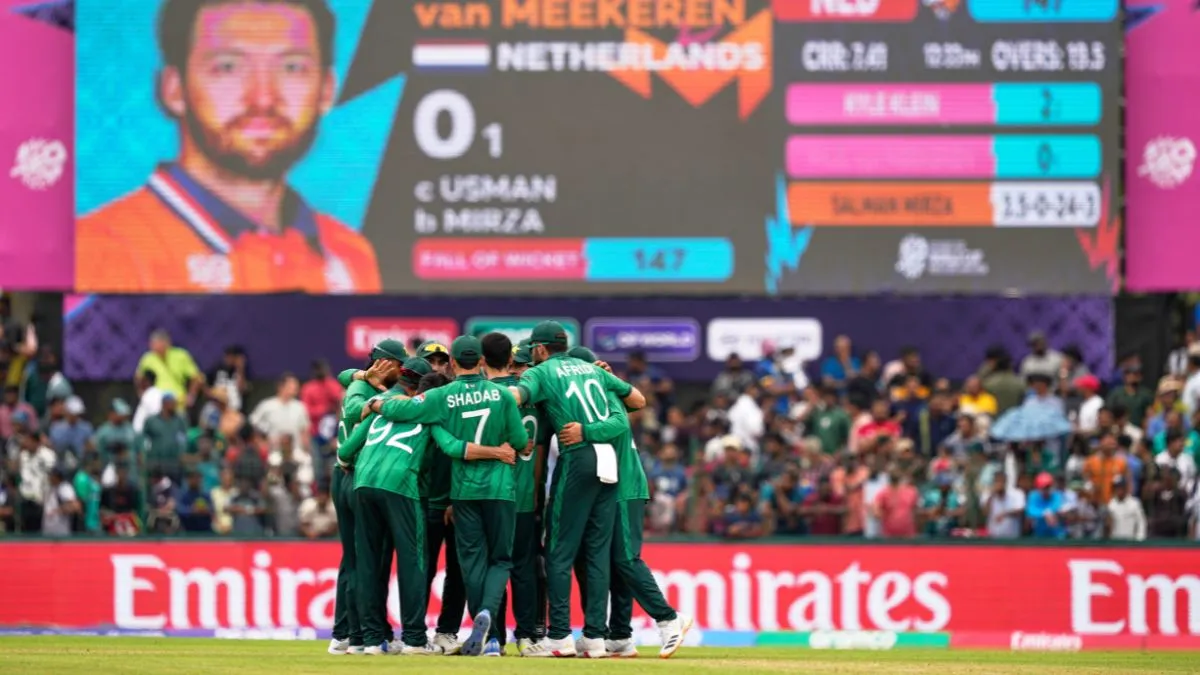
Their team was nearly beaten by the Netherlands in their opening match of the T20 World Cup, and the results over the past few years tell a worrying story. Pakistan failed to make an impact at the 2023 ODI World Cup, the 2024 T20 World Cup, and the 2025 Champions Trophy. These shortcomings on the field should be the board’s only real concern and nothing else.
Also Read:
