
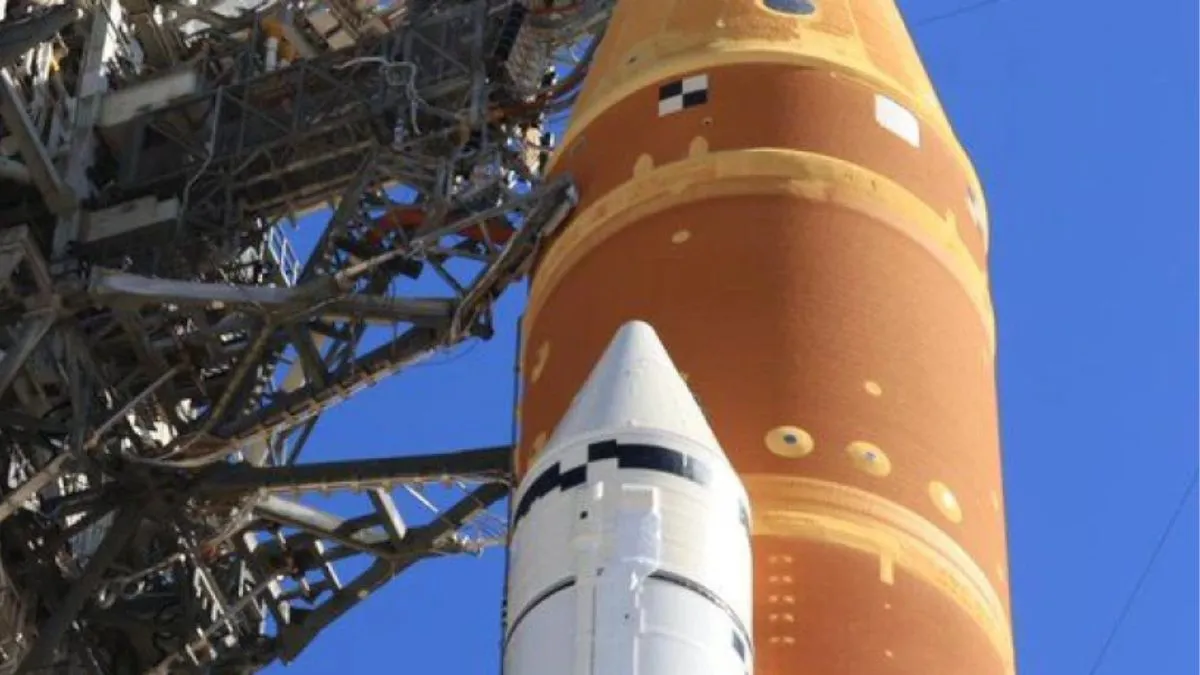
NASA is preparing for an important mission called Artemis II. The goal of this mission is to send astronauts around the Moon and safely bring them back to Earth. It will be the first time in more than 50 years that humans travel so far into space. The mission is part of NASA’s Artemis program, which aims to return people to the Moon and later build a long-term human presence there. Four astronauts will travel on a 10-day journey around the far side of the Moon. The mission will not land on the Moon, but it is an important step toward a future landing.
March 6 launch date cancelled
NASA had earlier suggested that the rocket could launch as soon as March 6. However, the space agency has now said that this date is now "out of consideration.”
NASA Administrator Jared Isaacman explained that engineers found a technical problem during final checks. Because of this, more work is needed before the rocket can safely lift off. He said he understands that many people will be disappointed by the delay.
Why the delay?
The problem was linked to a disruption in the flow of helium during testing. Helium plays an important role in rocket launches. It helps keep fuel tanks under pressure and cools some parts of the rocket system. NASA considers any issue involving helium to be serious. Even though earlier checks showed no faults, engineers noticed the problem overnight and decided not to take any risks.
Just a day before the delay was announced, NASA had completed a full “wet rehearsal” test at the Kennedy Space Center.
During this test, the rocket was filled with around 730,000 gallons of fuel to simulate launch conditions. The team believed the rehearsal was successful. It was their second attempt after fixing earlier problems, including hydrogen leaks caused by filter and seal issues.
Meet the Astronauts
The crew includes three American astronauts Reid Wiseman, Victor Glover, and Christina Koch along with Canadian astronaut Jeremy Hansen. They will travel aboard the Orion spacecraft, launched by NASA’s powerful Space Launch System rocket. Artemis II will prepare the way for Artemis III, which aims to land astronauts on the Moon for the first time since 1972. The last Moon landing was during the Apollo program.
