
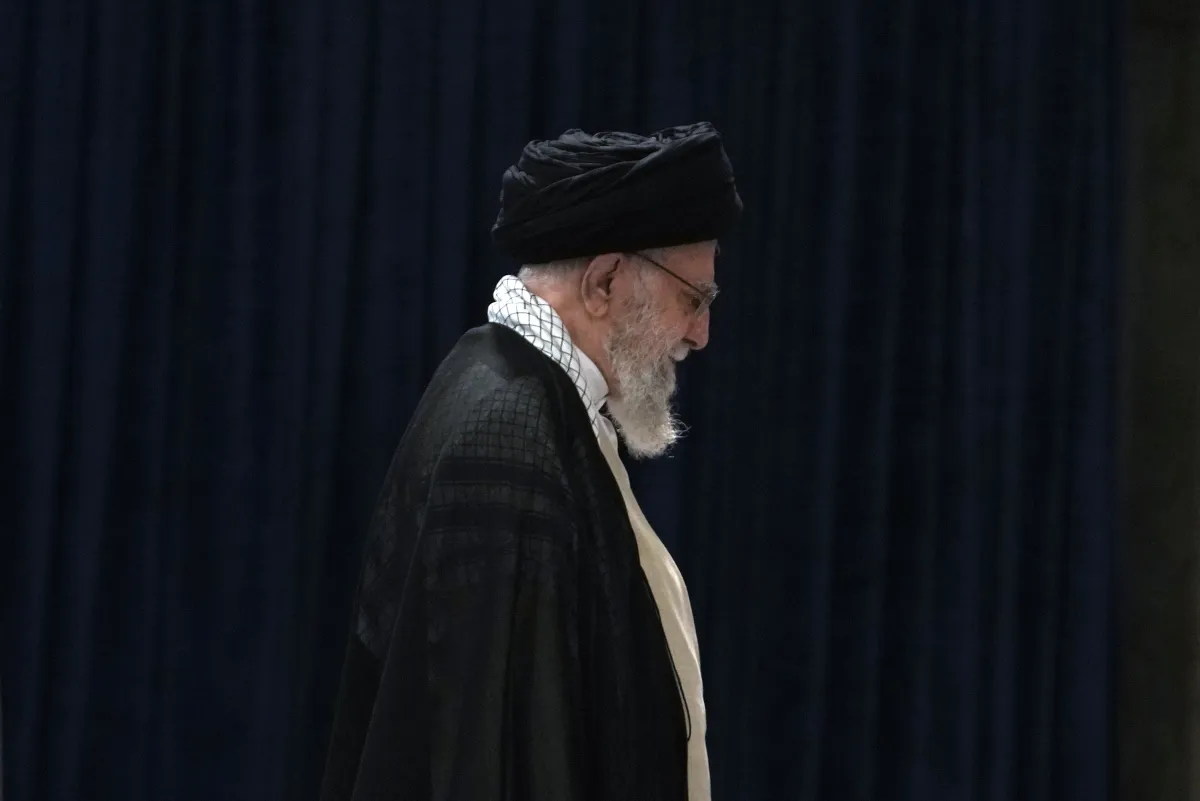
The death of Ayatollah Ali Khamenei, Iran’s Supreme Leader, leaves the country at a crossroads. With no clear successor, experts and officials are watching closely to see who will lead the nation in the coming years.
Potential contenders for Iran’s top post
- Mojtaba Khamenei – The second-eldest son of the late leader, Mojtaba is a mid-ranking cleric with ties to the Revolutionary Guard. He served during the Iran-Iraq war and has acted as a gatekeeper for his father, wielding influence behind the scenes.
- Gholam-Hossein Mohseni-Ejei – Currently Iran’s Chief Justice, Mohseni-Ejei is a controversial figure in the judiciary. Born in 1956, he has held multiple senior posts, including intelligence minister and attorney general, and is known for his hardline stance on protests.
- Muhammad Mehdi Mirbagheri – A conservative cleric in the Assembly of Experts, Mirbagheri is strongly anti-Western and leads the Islamic Sciences Academy in Qom. He is aligned with Iran’s most hardline factions.
- Hassan Khomeini – Grandson of the Islamic Revolution’s founder, Ruhollah Khomeini, Hassan is considered a more moderate choice. At 53, he is seen as potentially more conciliatory both domestically and internationally.
- Alireza Arafi – A senior cleric, deputy chairman of the Assembly of Experts, and a member of the Guardian Council, Arafi heads Iran’s seminary system. While respected religiously, he is not viewed as a dominant political force.
How Iran chooses its supreme leader
The Assembly of Experts, an 88-member body of Shiite clerics, is responsible for appointing the new Supreme Leader. Members are elected every eight years, with candidates approved by the Guardian Council, Iran’s constitutional watchdog. The assembly can also theoretically remove a leader, though this has never happened.
If the assembly takes time to select a new leader, Iranian law allows for a temporary leadership council.
This council includes the sitting president, the head of the judiciary, and a member of the Guardian Council chosen by the Expediency Council. Currently, reformist President Masoud Pezeshkian and hardline judiciary chief Mohseni-Ejei would serve in that council.
