
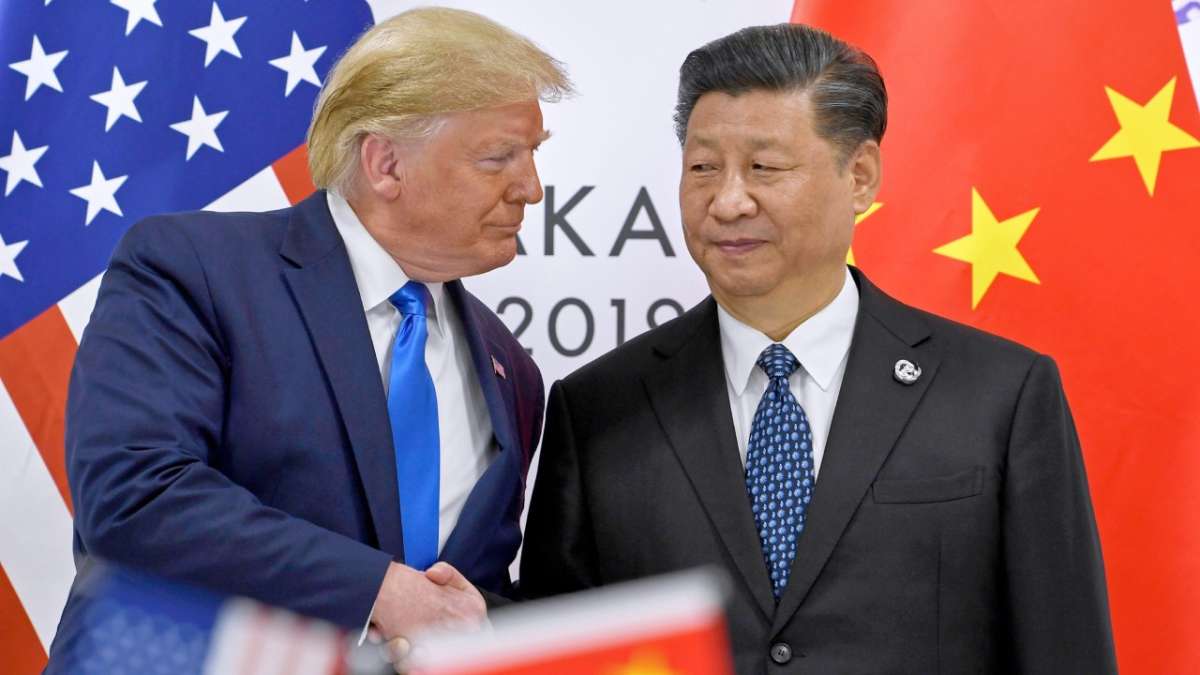
US President Donald Trump arrived in Beijing on Wednesday for a closely watched meeting with Chinese President Xi Jinping, marking his first visit to China since 2017. The two-day trip comes at a sensitive time in US-China relations, with tensions rising over trade, Taiwan, technology and military issues. While the visit includes ceremonial events such as a state banquet and tea reception, the main focus will remain on high-level talks between the world’s two biggest economies.
Ahead of the summit, China had sent a strong message to Washington by publicly outlining what it called the “four red lines” in bilateral relations issues Beijing says cannot be challenged.
China's warning to US ahead of Summit
Just before Trump’s arrival, the Chinese Embassy in the United States released a statement on social media stressing that certain issues are non-negotiable for Beijing. The embassy listed four major areas where China says the US must not cross the line:
- Taiwan
- Democracy and human rights issues
- China’s political system
- China’s development rights
In its message, Beijing said both countries should work towards a “strategic, constructive and stable” relationship based on mutual respect and peaceful coexistence.
Trade talks and AI discussion highly anticipated
Trump also arrived in Beijing facing pressure at home after recent court rulings weakened parts of his tariff policies. Beyond trade, the two leaders are also likely to discuss growing competition in artificial intelligence, technology and supply chains.
China’s control over rare-earth exports minerals essential for electronics and defence manufacturing has become an important strategic issue for Washington.
Beijing has also been strengthening measures to protect its companies from Western sanctions, especially in areas linked to energy imports and global trade networks. The meeting is expected to shape how both countries manage their rivalry in the coming years.
Fresh US sanctions on Iran add tension
The meet also follows new US sanctions announced last week targeting Iran's financial and energy sectors, intensifying pressure on Tehran and its commercial networks with China. US Treasury Secretary Scott Bessent posted on X that Iran is "the head of the snake for global terrorism" and that the Treasury was acting "aggressively" through the initiative titled "Economic Fury".
"We will relentlessly target the regime's ability to generate, move, and repatriate funds, and pursue anyone enabling Tehran's attempts to evade sanctions," he added.
Also Read: Donald Trump to visit China from May 13 to 15 at Xi Jinping's invitation: What's on agenda?
