
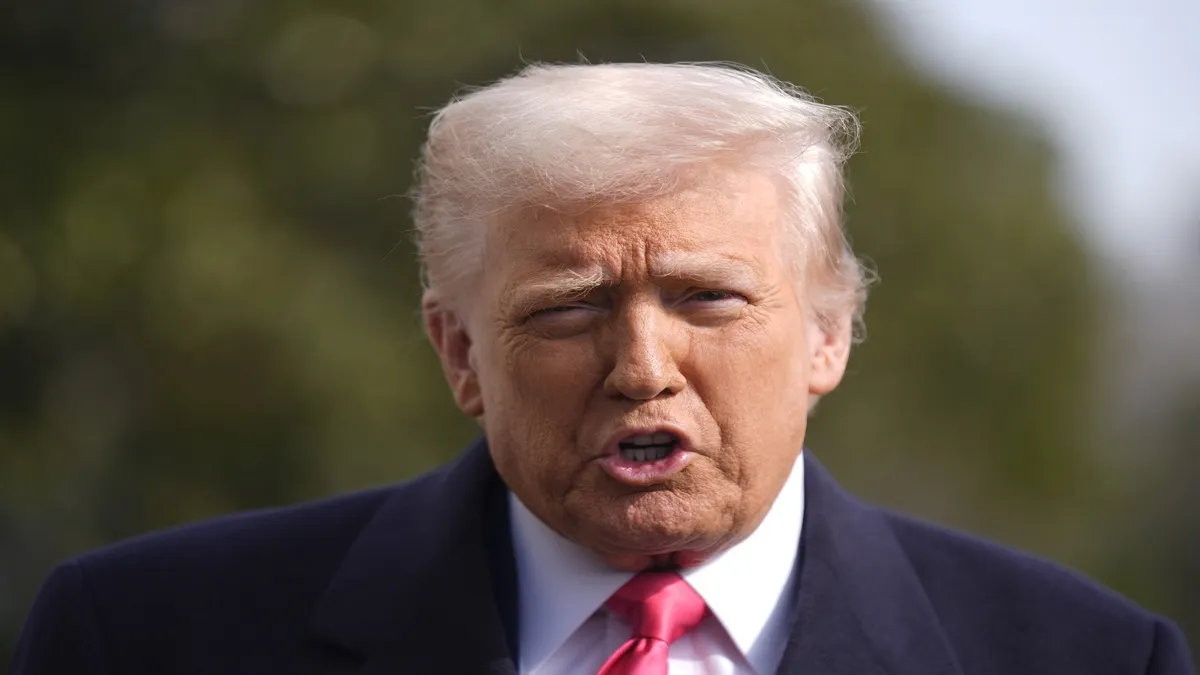
US President Donald Trump unexpectedly commended the Iranian regime on Friday (January 16) for cancelling the scheduled hangings of over 800 people, signalling a potential de-escalation in tensions as nationwide protests appear to subside. Speaking to reporters on the White House South Lawn before departing for his Mar-a-Lago estate in Florida, Trump expressed "great respect" for the decision, which he said had a "big impact." This comes after days of warnings from Trump about possible US military intervention if the crackdown intensified.
Trump's public gratitude and social media nod
Trump's remarks marked a shift from his earlier hawkish stance. "Iran cancelled the hanging of over 800 people. They were going to hang over 800 people yesterday, and I greatly respect the fact that they cancelled them," he told reporters. On his social media platform, he posted a simple "Thank you!" alongside claims that more than 800 executions- described by some as targeting political prisoners- had been averted.
When pressed on whether his initial hints of US aid ("Help is on the way") still applied, Trump replied, "Well, we're going to see." He dismissed suggestions that Arab or Israeli officials swayed him, insisting, "Nobody convinced me. I convinced myself." Trump did not specify his sources for confirming the cancellations, leaving questions about the intelligence behind his statements.
White House monitors closely with options open
White House Press Secretary Karoline Leavitt reinforced Trump's position during a briefing, noting that the administration is "closely monitoring the situation in Iran." She highlighted the halted executions as a positive development but warned of "grave consequences" if killings resume. "All options remain on the table for the President," Leavitt said, echoing Trump's prior threats of intervention made earlier in the week.
This follows Trump's Wednesday comment that protester killings had stopped, prompting him to "watch and see" rather than commit to action immediately. The administration's messaging suggests a wait-and-see approach, with military strikes now appearing less imminent.
Protests erupt over economic woes, now quiet
The unrest began on December 28 at Tehran's Grand Bazaar, sparked by the Iranian rial's record plunge amid cascading crises: unprecedented water shortages, power outages, soaring unemployment, and rampant inflation. Demonstrations quickly escalated into nationwide protests challenging Supreme Leader Ayatollah Ali Khamenei's theocracy.
Iranian authorities cracked down harshly, imposing a week-long internet blackout and stifling dissent. While street life in Tehran has returned to apparent normality with no recent protest signs, the US-based Human Rights Activists News Agency reported a death toll of 2,797 as of Friday—a figure still rising. No official reports of ongoing unrest have emerged from other regions.

Global reactions and warnings
India's government urged its nationals in Iran to leave due to the "volatile security situation," pledging close tracking and support for their well-being. Meanwhile, Iran's exiled Crown Prince Reza Pahlavi pressed Trump to honor his words, calling him "a man of his word" and advocating for US intervention.
Trump's optimistic take contrasts with reports of thousands dead from repression, highlighting discrepancies between US assessments and on-the-ground realities. As protests fade, the episode underscores fragile dynamics between economic despair, regime control, and international pressure.