
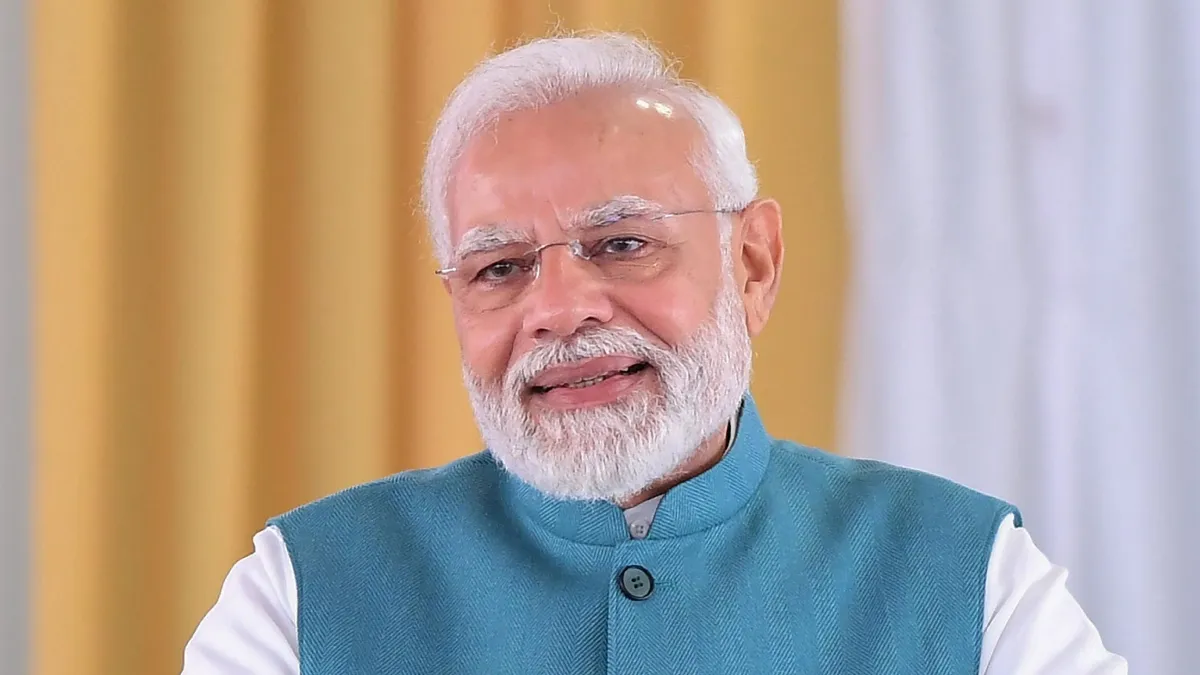
Israel should learn how to make "national honour" a "strategic asset" from India and Prime Minister Narendra Modi, who, despite "verbal assaults from US President Donald Trump," did not rush to apologise and upheld national honor, according to Israeli defence policy expert Zaki Shalom.
In an op-ed in The Jerusalem Post, Shalom, a senior fellow at the Misgav Institute for National Security and Zionist Strategy, said highlighted what Israel can learn from PM Modi, while connecting it to the latter's stern stance against the United States on tariff policy and its approach to India's border clashes with Pakistan show that "national honour is not a luxury but a far-reaching strategic asset."
It is pertinent to mention that the US, under the Donald Trump-led administration, has imposed 50 per cent tariffs on India, which include 25 per cent additional duties on account of the purchase of Russian oil.
Modi declined four phone calls from President Trump
On Trump's claims on mediation between India and Pakistan after Operation Sindoor, Shalom said, "In the border clashes with Pakistan, Trump tried to position himself as a neutral mediator. He allegedly applied heavy pressure, threatened sanctions on both sides, and led to a ceasefire. However, eventually Pakistan praised his mediation to the extent of proposing to award him a Nobel Peace Prize. New Delhi, on the other hand, chose to downplay Washington's role – another expression of the deepening distrust between the two states."
"Modi's severe response was not only rooted in economic and military tension, but primarily stemmed from a sense of personal and national honour being offended. He declined four phone calls from President Trump. In this context, Israel can learn something important," Shalom added.
The lesson from India
The defence expert compared Israel's situation with India and said, when India faced "unprecedented verbal assaults from" President Trump, Prime Minister Modi "did not rush to apologise; instead, he chose to respond forcefully, upholding national honour."
"Perhaps his approach came across as harsh, but it sent a clear message: India will not accept treatment as a subordinate or inferior state," he said.
"Israel, in contrast, tended during the Khan Yunis incident to display excess transparency and anxiety - an approach that may have been aimed at mitigating short-term damage but potentially harms long-term strategic interests."
He concluded by saying that a country must defend its national honour even when facing difficult and complex situations. "From India, we learn that national honour is not a luxury but a far-reaching strategic asset. If Israel desires to secure its standing and security, it must project firm resilience to the world," Shalom added.
Also Read: Too funny: Peter Navarro's anti-India poll on X backfires; Trump's aide blames 'propaganda'
Also Read: More tariffs on Russian oil buyers can damage Moscow's economy, bring Putin to table: US official
