
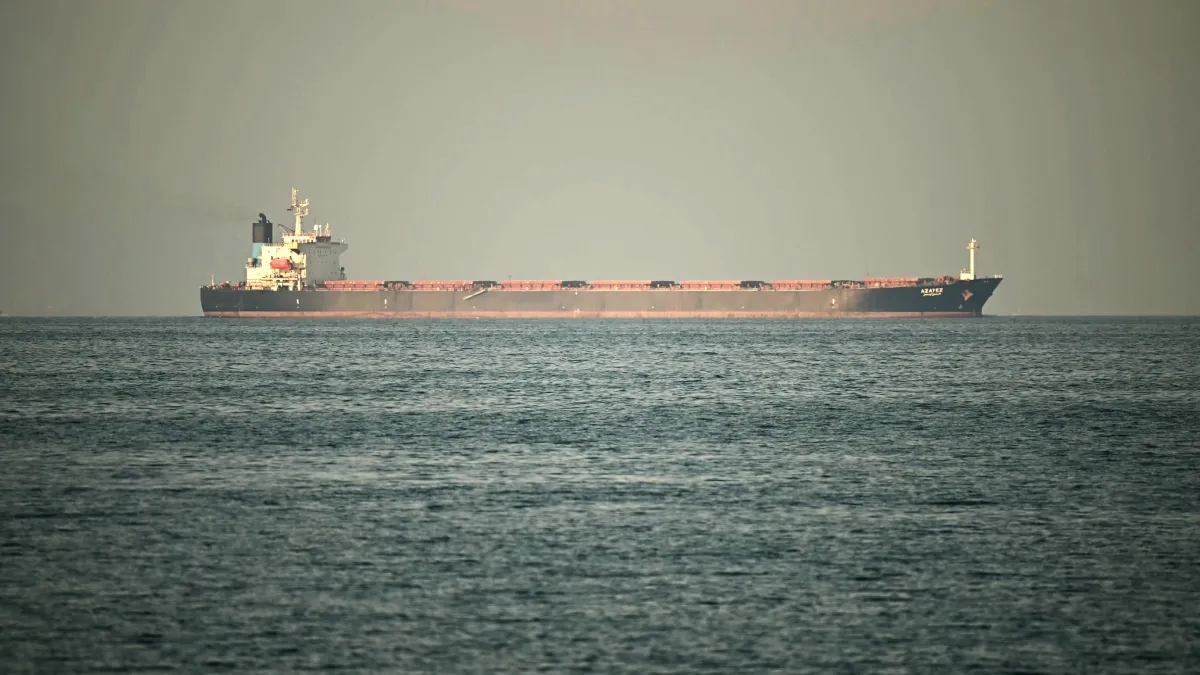
In a major relief for New Delhi amid the worsening global energy crisis, Iran has allowed Indian oil tankers to pass through the Strait of Hormuz following talks between External Affairs Minister S Jaishankar and his Iranian counterpart Abbas Araghchi, according to India TV sources.
The move comes as tensions in West Asia have severely disrupted maritime traffic through the Strait of Hormuz, a crucial route that handles a significant share of the world’s oil shipments, raising concerns over global energy supplies.
Jaishankar held a telephonic conversation with his Iranian counterpart on March 10 amid escalating conflict in the Middle East and a comprehensive discussion was held between the two leaders over developments in the strife-hit region, and the duo agreed to remain in touch. This was the third round of talks between the two leaders in about two weeks. He first held a conversation with Araghchi on February 28, followed by another discussion on March 5, before this latest interaction.
India receives first vessel through Strait of Hormuz
Earlier on Wednesday (March 11), the Liberian-flagged tanker Shenlong Suezmax, captained by an Indian mariner, successfully navigated the perilous Strait of Hormuz and berthed at Mumbai port, marking the first such India-bound crude shipment since hostilities erupted.
Loaded with 135,335 metric tonnes of Saudi Arabian crude from Ras Tanura port on March 1, the vessel slipped through the strait on March 8, briefly vanishing from tracking radars before resurfacing on March 9, a maneuver likely designed to evade detection in waters where Iran has targeted merchant ships and restricted non-China-bound oil transit, crippling nearly 20 per cent of the world's crude flow.
Iran war
The US-Israeli military campaign against Iran has entered its 13th day, with no clear signs of de-escalation. The conflict has significantly reduced maritime traffic in the region and pushed global oil prices sharply higher.
Amid the ongoing strikes, Tehran has tightened restrictions on vessels passing through the strategically crucial Strait of Hormuz. Iranian authorities have said that ships not serving the interests of the United States or Israel will be allowed to pass through the route safely.
The Strait of Hormuz is a 55-kilometre-wide narrows between Iran and Oman, separating the Persian Gulf from the Arabian Sea.
It is a narrow but vital maritime corridor linking the Persian Gulf with the Gulf of Oman, and serves as one of the world's most crucial energy chokepoints. A substantial share of global crude oil and liquefied natural gas exports transits through the passage, making any prolonged disruption a major concern for international energy markets.
About 13 million barrels of oil per day normally move through these waters - about 31 per cent of global oil shipments. Blocking passage through the strait will certainly affect world oil prices.
Even a short-lived closure of parts of the strait in February 2025 led to a six per cent jump in the price of oil.
Also Read: Iran sets three conditions to end war with US and Israel: Know what are they
Also Read: Indian national killed after Iran's 'suicide boat' hits US-owned oil tanker in Iraq | VIDEO
