
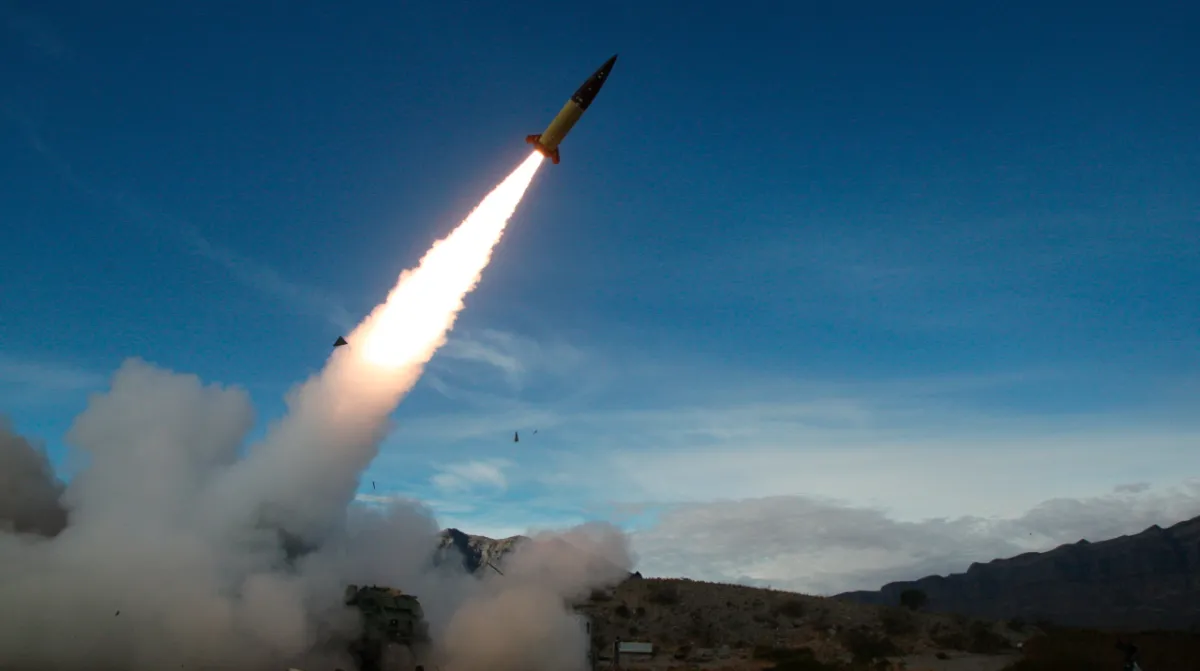
The Pentagon is contemplating diverting its weapons supply meant for Ukraine to defend against Russia to the ongoing war with Iran in the Middle East following an ammunition scarcity in the US arsenal and billions already spent in tackling Tehran's missile and drone attacks, the Washington Post has reported.
The potential redirection of weapons supplies includes air defence interceptor missiles used in systems such as Patriot missile system and THAAD. These weapons were originally procured by the United States under the Prioritised Ukraine Requirements List, a NATO-led mechanism through which European countries fund American-made arms deliveries to Ukraine.
According to reports, discussions are underway within the Pentagon on whether to divert these supplies. Officials cited by The Washington Post described the debate as active and ongoing.
The scale of ammunition usage has been described as unprecedented. Since the US and Israel launched strikes on Iran on February 28, US Central Command has reportedly hit more than 9,000 targets within roughly four weeks.
We do this all the time: Trump responds
Responding to media queries on diverting arms from Ukraine to the Middle East, Trump said, "We do it all the time. We have a lot of munitions. Sometimes we take from one and use for another".
800 Patriot missiles fired in 3 days
Volodymyr Zelensky has claimed that US-aligned nations in the Middle East fired over 800 Patriot interceptor missiles in just three days, a figure he said exceeds Ukraine’s total stockpile accumulated over four years of conflict with Russia.
In a related move, the Pentagon has reportedly informed the US Congress of plans to redirect about USD 750 million from NATO funded PURL allocations to replenish its own military inventories instead of sending additional weapons to Ukraine. It remains unclear whether contributing European nations have been fully informed of this shift.
Billions of dollars spent
The financial burden of the conflict has also surged. Kevin Hassett said the United States spent at least USD 12 billion in the first two weeks alone. Separate briefings to Congress indicated that operations cost USD 11.3 billion within just six days, pointing to an estimated expenditure rate of around USD 2 billion per day. The Pentagon has since requested a supplemental budget of USD 200 billion to sustain operations and rebuild missile stockpiles.
Beyond funding concerns, production capacity remains a significant challenge. Lockheed Martin currently produces around 600 PAC 3 interceptors annually, a level already considered insufficient even before the current conflict. While the company has agreed to increase output to 2,000 units per year under a January deal, scaling up manufacturing will take time.
Operational strain has intensified following the destruction of a key AN TPY 2 radar at Muwaffaq Salti Air Base in the early phase of the war. The radar is critical for guiding THAAD systems, and its loss has increased reliance on Patriot batteries, which are already under pressure.
The United States operates only eight THAAD batteries globally, limiting flexibility. Analysts, including those from the Centre for Strategic and International Studies, have pointed out that there are no readily available replacement radars, highlighting the strain on air defence capabilities as the conflict continues
