
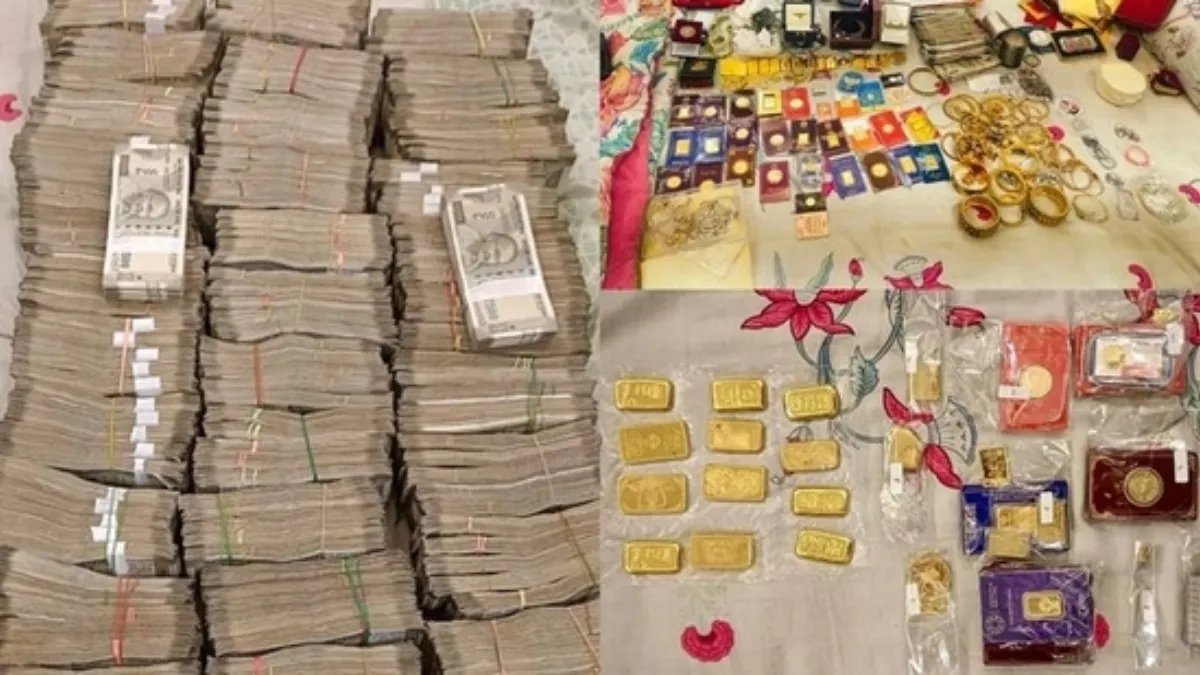
The Central Bureau of Investigation (CBI) has uncovered massive wealth during raids on multiple properties linked to senior Indian Revenue Service (IRS) officer Amit Kumar Singal. The operation, which took place across Delhi, Mumbai, and Punjab, resulted in the recovery of over ₹1 crore in cash, 3.5 kg of gold, and 2 kg of silver, with the total seized assets estimated to be worth more than Rs 3.5 crore.
Bribery case leads to arrest
The 2007-batch IRS officer was arrested on Saturday following allegations of demanding a Rs 45 lakh bribe from Sanam Kapoor, the owner of the popular food chain La Pino’z Pizza. The bribe was reportedly solicited to settle an income tax notice issued to Kapoor. The CBI laid a trap and apprehended Singal’s associate, Harsh Kotak, in Mohali while he was accepting the first installment of Rs 25 lakh on behalf of the officer.
Lavish assets unearthed
Following the arrest, the CBI launched a series of coordinated searches across Singal’s known locations. During these raids, investigators found not just large quantities of gold and silver, but also cash, documents related to 25 bank accounts, and property papers linked to assets in Delhi, Mumbai, and Punjab. Details of a personal bank locker were also found, raising suspicions of more undisclosed assets.
Judicial custody and ongoing probe
Both Singal and Kotak were presented in court on Sunday and have been remanded to 14 days of judicial custody. The CBI continues to probe the matter, examining how Singal amassed such significant assets and whether more cases of bribery or corruption are linked to him.
Implications for revenue department
Singal served as the Additional Director General at the Directorate of Taxpayer Services in Delhi, a post considered sensitive due to its connection with high-profile financial matters. His arrest has sparked discussions within bureaucratic circles about the need for greater transparency and oversight in enforcement agencies.
The CBI is now focused on tracing the full extent of Singal’s wealth and establishing whether similar coercive tactics were used against other taxpayers.
