
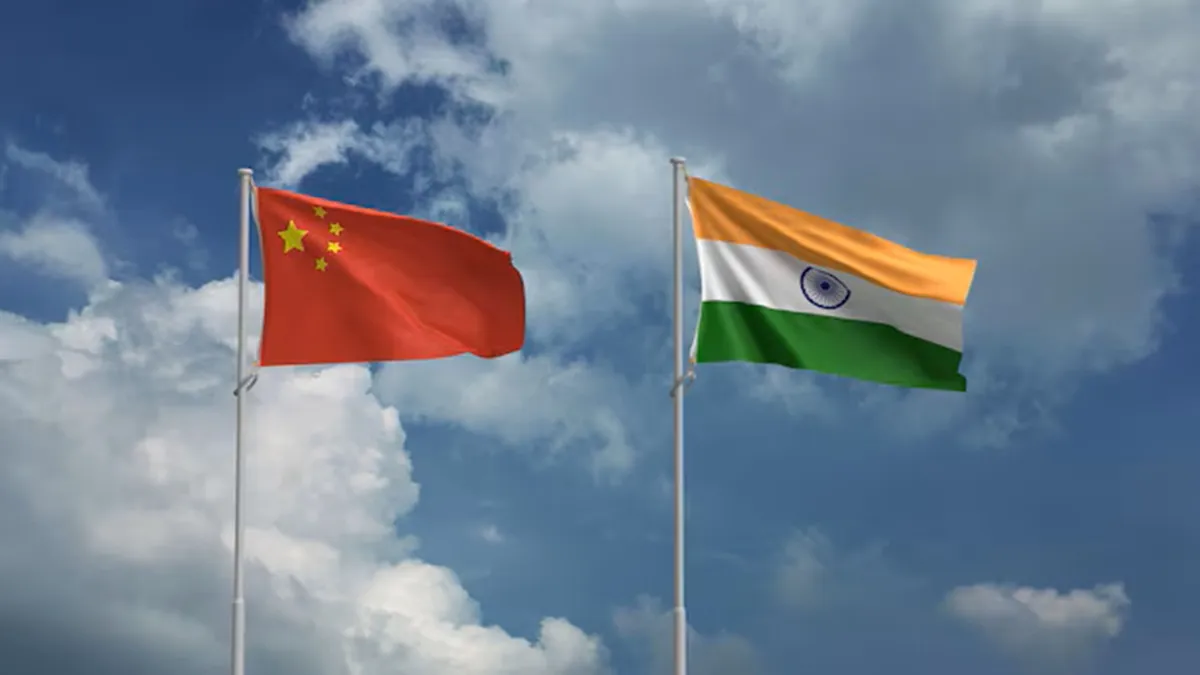
India is slashing red tape on Chinese business visas, approving them in under four weeks- a dramatic shift from multi-year delays triggered by the 2020 Galwan Valley clash. Once blocked almost entirely, these visas now bypass extra scrutiny layers beyond home and foreign ministries. Officials, speaking to media, confirmed, "We have removed the layer of administrative vetting." This policy pivot, recommended by a high-level committee under former Cabinet Secretary Rajiv Gauba, signals pragmatic diplomacy as New Delhi balances tensions with economic realities.
High-level diplomacy paves the way
Prime Minister Narendra Modi's landmark visit to China earlier this year, his first in seven years, set the stage for warmer ties. Meetings with President Xi Jinping focused on mutual growth, followed by resumed direct flights suspended since 2020. The Gauba-led panel also pushes to ease investment curbs, rebuilding investor confidence dented by past restrictions. For Chinese firms like Xiaomi, Vivo, Oppo, BYD, Hisense, and Haier, this means executives can finally travel freely, ditching remote operations that hampered on-ground decisions.
$15 billion losses exposed: The hidden cost of delays
Stricter visa rules inflicted heavy damage, per an Observer Research Foundation report cited by media. Indian electronics manufacturers lost $15 billion in production over four years, starved of imported Chinese machinery essential for mobiles and appliances. Skilled labour shortages rippled through solar and auto sectors, stalling expansions. China supplies 50-65 per cent of components for Indian factories, making its expertise irreplaceable. Executives struggled to train teams or troubleshoot, forcing reliance on costly workarounds.
US tariffs force India's strategic pivot
Donald Trump's punitive tariffs- 50 per cent on Indian goods, with 25 per cent extra for Russian oil purchases- hit India hard, prompting a cautious China outreach. Officials describe it as "cautiously easing some rules around restrictions on China" to lure foreign investment and bolster manufacturing. As the US tightens the screws, India eyes Chinese partnerships to fortify supply chains in electronics and autos, where bilateral dependencies run deep.
Broader implications for India's economic ambitions
This visa fast-track isn't just relief for Chinese firms- it's a lifeline for India's "Make in India" push. Faster approvals enable technology transfers, joint ventures, and on-site expertise, critical for competing globally. Yet challenges linger: border trust remains fragile, and investment scrutiny persists. By streamlining visas, India positions itself as an attractive hub amid geopolitical flux, blending security with savvy economics.
