
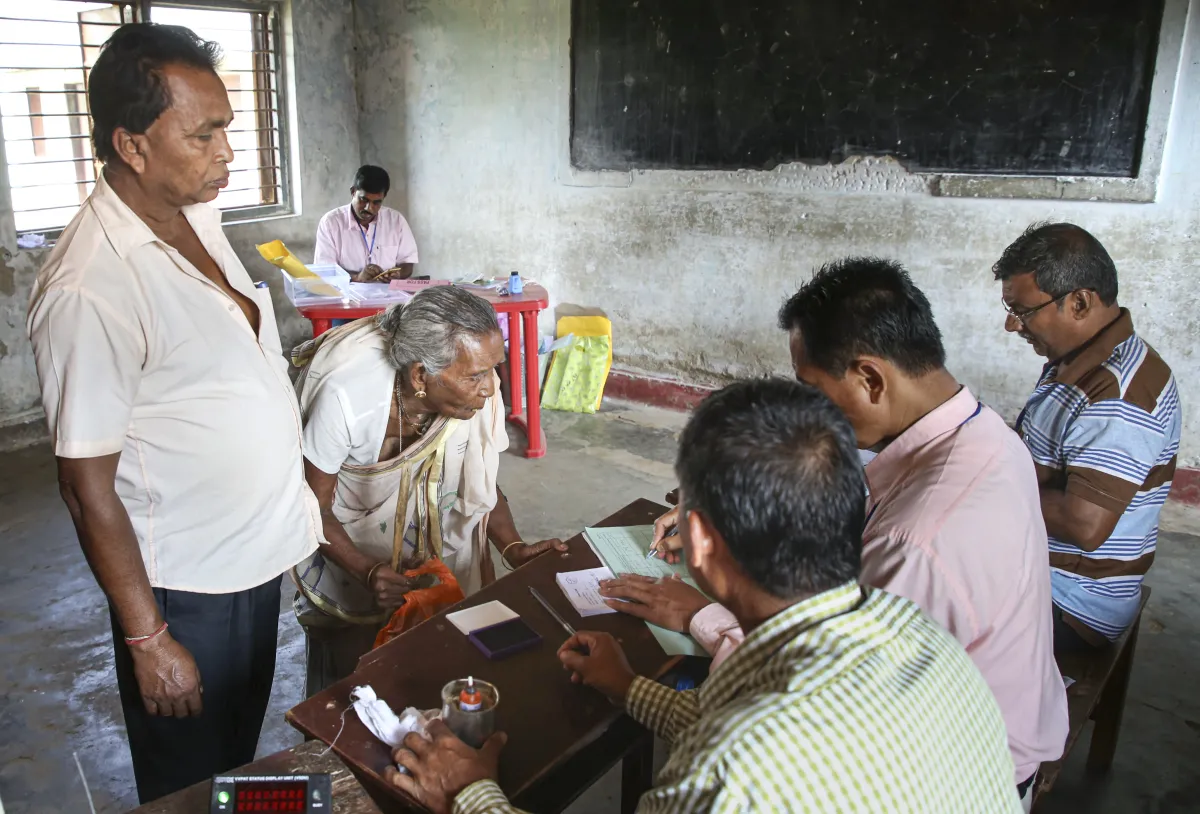
Meghalaya Chief Minister Conrad K Sangma on March 11 decided to postpone the April 10 elections to the Garo Hills Autonomous District Council in view of recent violence that claimed two lives in the region. He said the decision was taken after reviewing the current law and order situation in the Garo Hills and considering the difficulties being faced by the people.
"Dear friends, looking at the current situation in Garo Hills and understanding the difficulties people are facing at the moment, the Government of Meghalaya has decided to postpone GHADC elections," the chief minister said in a video clip.
What triggered unrest in Garo Hills?
The development comes as two persons were killed in police firing in March during clashes between tribal and non-tribal groups over the nomination process for the GHADC elections in the Chibinang area. Superintendent of Police Abraham T Sangma said the incident was reported during the nomination process for the local council polls.
Curfew was imposed in West Garo Hills and East Garo Hills districts, a day after the Meghalaya High Court struck down a notification making Scheduled Tribe certificates compulsory for filing nominations for the GHACD polls that led to the violence.
The notification sought to bar non-tribals from contesting the GHADC elections in a departure from the practice that continued for over seven decades.
The Meghalaya High Court cancelled a notification issued by the GHADC making ST certificates compulsory for election nominations, and observed that it bypassed proper legislative procedures.
The notification was issued by the chief executive member of the council following a resolution of the Executive Committee last month.
However, the high court noted that the Executive Committee could only propose rule changes, which must be approved by the District Council and the Governor before taking effect.
"The notification cannot pass legal scrutiny and is set aside and quashed," the court said, disposing of the writ petition.
Home Principal Secretary FR Kharkongor said that mobile internet services were suspended across five districts in western Meghalaya after several incidents of violence linked to the tribal council elections threatened to disrupt public order.
The suspension covered the districts of West Garo Hills, East Garo Hills, South Garo Hills, North Garo Hills and South West Garo Hills, and will remain in force until further orders, he said.
The order was issued after reports from the police and deputy commissioners indicated that incidents over the GHADC polls could disturb public peace and tranquillity in various parts of the Garo Hills region.
Curfew was also imposed in West Garo Hills and East Garo Hills districts following violent protests linked to the GHADC election process.
Two persons were killed in police firing at Chibinang in West Garo Hills during clashes that erupted amid protests by sections of the Garo community against the attempt of non-Garo candidates in the filing of nominations.
Several incidents of arson, assault on civilians and the gathering of large crowds were reported in Tura and other locations across the region, officials said.
Former MLA E Mominin was also allegedly assaulted by a group of protesters during the unrest, and the Leader of Opposition Mukul M Sangma lodged an FIR accusing him of making provocative speeches, following which the violence spread.
The controversy erupted after objections were raised by groups in the Garo Hills over the participation of non-Garo communities in the nomination process for the tribal council polls.
What locals are demanding?
Locals and pressure groups in Garo Hills are primarily demanding the strengthening of the Garo Hills Autonomous District Council (GHADC) to protect indigenous identity, focusing on restricting election participation to Scheduled Tribes (STs) only.
Their other key demands include mandatory ST certification for both candidates and voters to protect customary land rights and prevent non-tribal influence.
Garo student groups and social organizations demand that non-tribal candidates be entirely barred from contesting council polls, claiming that local indigenous identities, traditions, and land are threatened by non-tribal participation.
