
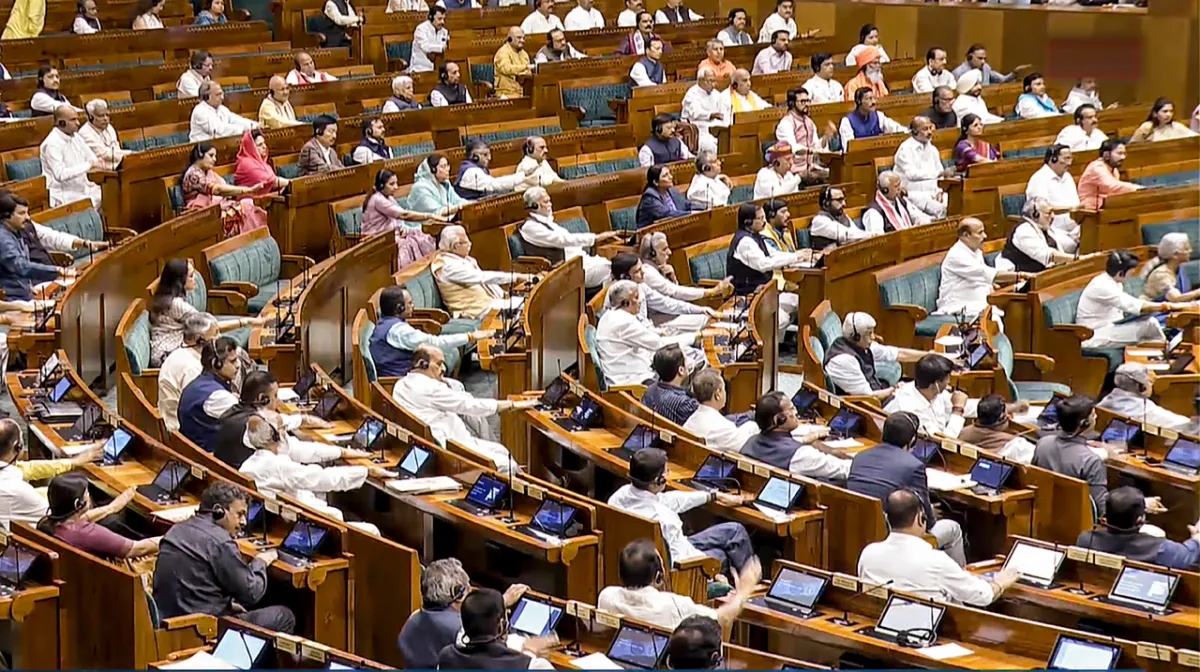
The ongoing budget session of the Lok Sabha has entered its second phase, with the Centre now set to take up key legislative business in the coming days. The Parliament's budget session, which began on January 28, will continue until April 2. Its first phase ran from January 28 to February 13, while the second phase commenced on March 9.
During the second phase, the Centre is scheduled to discuss four important bills, with the time allotted for each already finalised by the Business Advisory Committee (BAC).
What are the new bills to be tabled
The first among them is the Transgender Persons Amendment Bill, 2026, for which three hours have been allocated. The proposed amendment seeks to narrow the definition of transgender persons, excluding those identifying through self-identification, and also proposes the removal of provisions under the 2019 law related to recognition.
The second bill on the agenda is the CAPF Bill, which has been allotted six hours for discussion. It aims to streamline rules related to appointments, deputation, promotion and service conditions for senior ranks, including Inspector General and above, in central armed police forces such as the Border Security Force, Central Reserve Police Force, Indo-Tibetan Border Police and Central Industrial Security Force.
The government will also take up the Insolvency and Bankruptcy Code Amendment Bill, with four hours earmarked for debate. The proposed changes are expected to address issues related to insolvency resolution and strengthen the existing framework.
The fourth bill is the FCRA Amendment Bill, 2026, which will be discussed for three hours. The Foreign Contribution Regulation Act governs the acceptance and utilisation of foreign funds by individuals, associations and organisations in India.
The scheduling and time allocation for these discussions have been decided by the BAC, a parliamentary panel comprising elected members. The committee plays a key role in organising legislative business by recommending how much time should be devoted to government bills and other proceedings placed before the House.
