
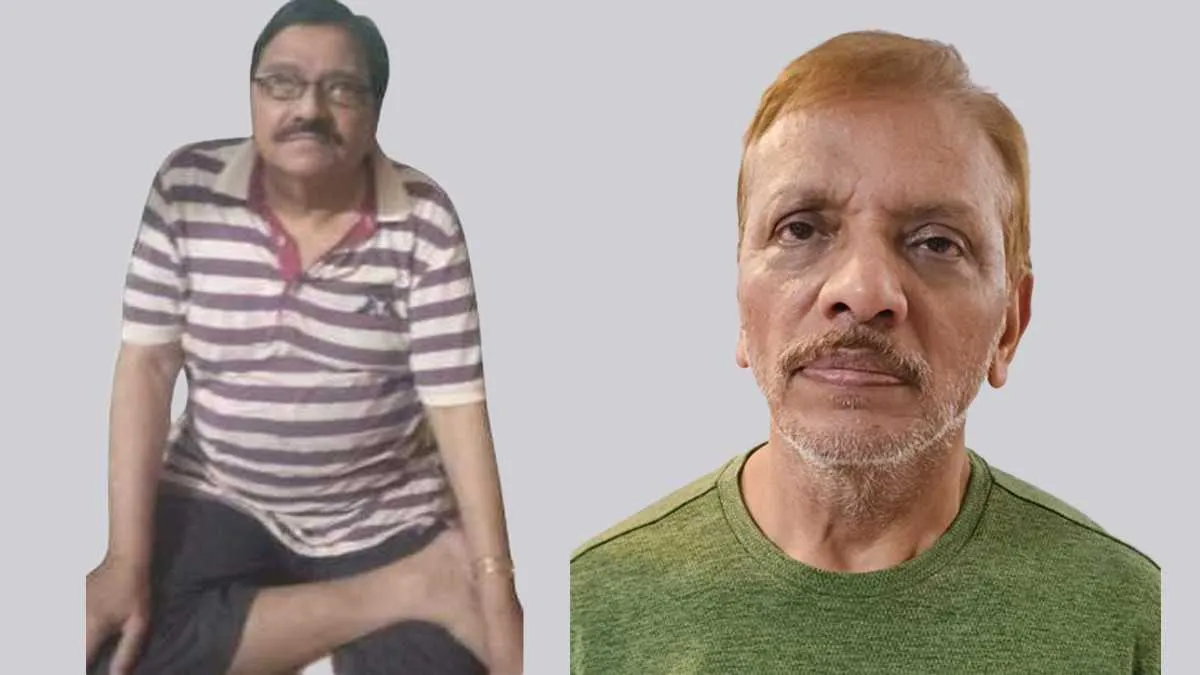
In the ongoing investigation into the BARC fake scientist case, authorities have uncovered a complex web of international fraud and espionage allegedly run by the Hussaini brothers, who are accused of creating forged scientific documents and fake identities linked to India’s Bhabha Atomic Research Centre (BARC).
Forged identities and stolen research
According to investigators, Akhtar Hussaini (60), who operated under the alias “Alexander Palmer” and falsely claimed to be a BARC scientist, and his brother Adil Hussaini, who has been arrested by the Delhi Police’s Special Cell, systematically obtained technical journals and research reports from the United States and Russia. These included highly specialised, non-public publications on civil nuclear physics. Using this material, the duo allegedly extracted data, diagrams and technical content to produce convincing counterfeit BARC documents, complete with forged seals and identification cards.
Officials say the fake IDs were so authentic in appearance that detecting them was nearly impossible. The recovered documents suggest that the brothers built their fraudulent materials using references from scientific journals such as Physical Review C and technical reports from US laboratories like Los Alamos, as well as Russian publications including Atomnaya Energiya and Yadernaya Fizika.
Two-decade operation across borders
The investigation further reveals that the brothers operated on an international scale, allegedly maintaining this deception for over two decades. Akhtar Hussain, who was arrested in Versova last week, reportedly held multiple fake academic degrees and at least three Indian passports, which facilitated more than 30 foreign trips to countries including Iran and the United Arab Emirates using falsified travel documents.
Foreign contacts and financial gains
Investigators claim the brothers initially made contact with foreign scientists online and later met them abroad, presenting forged BARC-stamped documents in exchange for payments—earning crores of rupees in the process.
Sensitive material recovered
Authorities also recovered sensitive documents, including maps related to nuclear weapons, from Akhtar’s residence in Mumbai’s Versova. Adil’s arrest, along with evidence of substantial illegal earnings, has strengthened suspicions that the brothers’ operations extended far beyond simple forgery.
Both had reportedly used the same address in Jamshedpur for acquiring false documents. Officials also noted that Akhtar faced similar allegations in Dubai in 2004, which were later reframed as forgery charges. The discovery of “highly objectionable photographs” on his phone has intensified the current investigation, which now also probes possible espionage links.
Agencies are currently exploring whether the brothers’ network extended further and whether the counterfeit nuclear documents may have been supplied to foreign criminal or terrorist organisations.
