
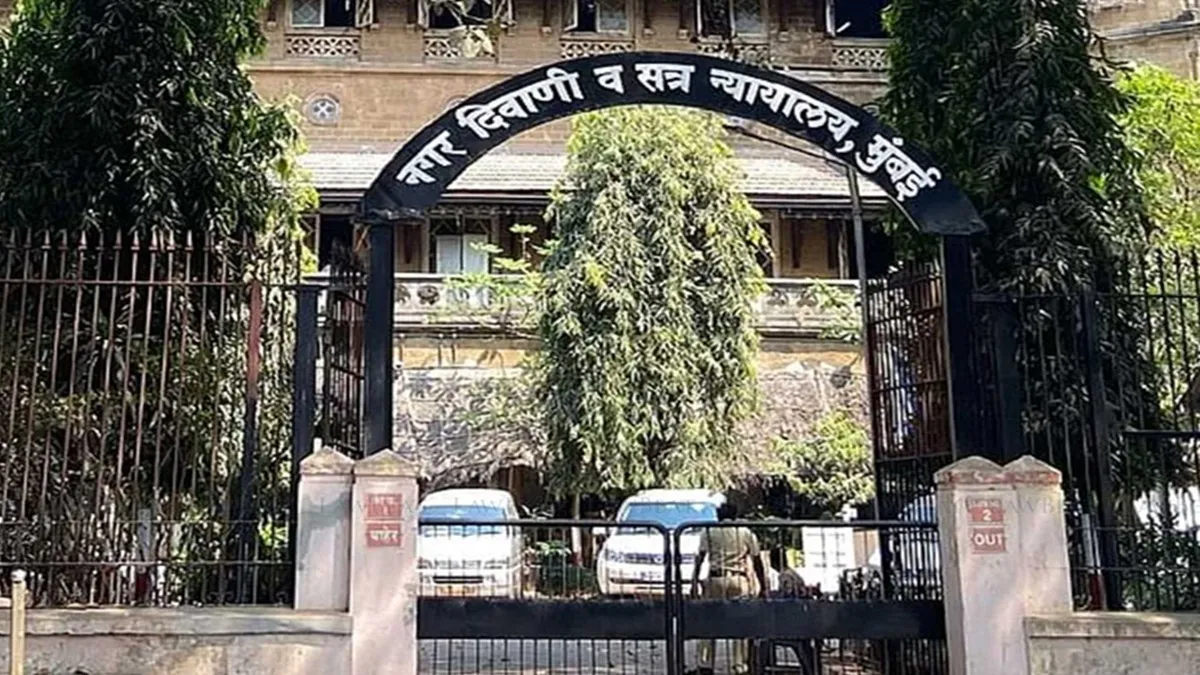
In a landmark judgment, the Mumbai Special NIA Court on Thursday (July 31) acquitted all seven accused in the 2008 Malegaon blast case, including Bharatiya Janata Party (BJP) MP Sadhvi Pragya Singh Thakur and Lt Col Prasad Purohit, citing a lack of reliable evidence and serious gaps in the investigation. The ruling brings an end to a case that had been under trial for over 15 years.
Judge highlights lack of reliable and cogent evidence
Delivering the verdict, Special Judge Abhay K Lahoti, designated to hear cases under the National Investigation Agency (NIA), noted that the prosecution failed to establish the guilt of the accused beyond a reasonable doubt.
"There is no reliable and cogent evidence to prove the prosecution's case. The accused deserves the benefit of doubt," the judge stated while reading out the judgment.
The court highlighted that-
- No fingerprint or data dump was collected from the site
- No proper sketch or panchnama was made of the blast location
- Samples were contaminated, rendering forensic reports inconclusive
Court says UAPA provisions not applicable
The court also ruled that the provisions of the Unlawful Activities (Prevention) Act (UAPA) were not applicable in this case, contradicting the original charges filed under anti-terror laws. Additionally, charges under the Arms Act and relevant sections of the Indian Penal Code (IPC) were also dismissed for want of evidence.
Motorbike ownership and blast link not proven
A key argument in the prosecution’s case was that the motorcycle used in the blast was registered in the name of Sadhvi Pragya. However, the court stated that this was not conclusively established.
“It has not been proven that the motorcycle belonged to Pragya Singh Thakur, nor is there reliable evidence that the bomb was planted on that vehicle,” the court observed.
No forensic link established, samples contaminated
The judge expressed strong reservations over the forensic procedures followed during the investigation.
Medical records manipulated, number of injured disputed
The judgment also revealed discrepancies in the medical records submitted by the prosecution. While initial reports claimed 101 people were injured in the blast, the court noted that only 95 could be medically verified and accused officials of manipulating certificates.
No evidence against Purohit, Abhinav Bharat Organisation
The court further stated there was no evidence that explosives were stored or assembled at Prasad Purohit’s residence, as alleged. On the alleged involvement of the Abhinav Bharat organisation, the judge said there was no conclusive proof that any of its funds were used for terror activities.
Compensation announced for victims

While acquitting the accused, the court ordered the Maharashtra Government to pay Rs 2 lakh compensation to the families of those killed and Rs 50,000 to the injured.
A protracted trial concludes
The court examined 323 prosecution witnesses and 8 defence witnesses over the years before pronouncing the verdict. Originally, 11 people were named in the case, but charges were ultimately framed against 7. “All bail bonds stand cancelled, and sureties are discharged,” the court announced.
Background of the blast
On September 29, 2008, a bomb strapped to a motorcycle exploded near a mosque at Bhikku Chowk in Malegaon, about 200 km from Mumbai. The blast killed six people and injured at least 95 others. The incident was initially attributed to right-wing extremist groups, and the case saw several twists in its legal course over the years.
This verdict brings one of India’s most controversial terror cases to a close, raising fresh questions on investigative accountability, judicial rigour, and the use of anti-terror laws.
Here are some related stories of Malegaon blast case 2008-