
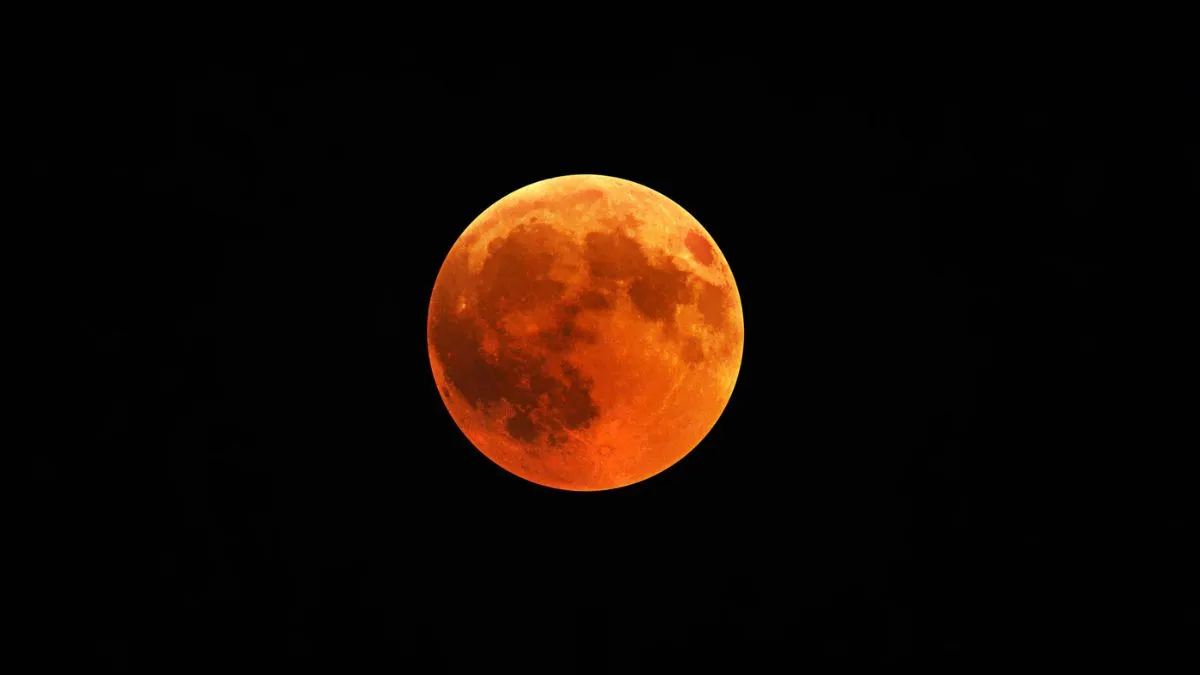
Full moon fasts tend to follow a steady rhythm in the Hindu calendar. Once every month. Same lunar phase. Same observance pattern. Devotees fast, worship the Moon, and offer prayers for emotional peace, prosperity and family well-being.
But Phalguna Purnima always carries a little extra weight. It closes the lunar year cycle, aligns with Holi festivities, and in 2026, comes layered with another celestial event. A Chandra Grahan on the same date. Which is exactly where the confusion begins.
Phalguna Purnima 2026 date confusion explained
This year, the Phalguna Purnima tithi spans two calendar days, leading to uncertainty around the correct fasting date.
As per Panchang calculations:
- Purnima tithi begins at 5:56 PM on March 2, 2026
- Purnima tithi ends at 5:08 PM on March 3, 2026
Now add the complication. A lunar eclipse falls on March 3. Sutak period applies. Ritual restrictions follow. Naturally, people start asking which day the fast should actually be observed. Scriptural guidance simplifies it. Purnima vrat is observed on the day when the full moon rises during the tithi. In this case, that alignment falls on March 2, 2026. So fasting on March 2 is considered scripturally appropriate.
Religious significance of Phalguna Purnima vrat
Phalguna Purnima is considered especially auspicious compared to other monthly full moons. Devotees worship Lord Vishnu and Goddess Lakshmi, seeking prosperity, harmony and familial happiness.
Beliefs associated with the fast include:
- Increase in wealth and material stability
- Blessings for children and family growth
- Fulfilment of long-pending wishes
- Emotional peace through Moon worship
Astrologically, individuals facing Chandra Dosha in their horoscope are often advised to observe this fast for mental balance. Ritual bathing and charity linked to this Purnima are also believed to multiply spiritual merit.
Phalguna Purnima vrat puja vidhi
The ritual process is structured but not rigid. Devotion carries more weight than perfection.
Commonly followed steps include:
- Wake up early and bathe at sunrise. If possible, bathe in a holy river or pond.
- Take a fasting vow while offering prayers to the Sun God.
- Meditate on Lord Vishnu and Goddess Lakshmi.
- Spread a yellow cloth on a wooden platform and place their idols.
- Offer tilak, flowers and clothes.
- Chant Vishnu mantras and present bhog.
- Recite the Purnima Katha and perform Aarti.
- After moonrise, offer raw milk mixed with water to the Moon.
- Break the fast with prasad first, then food.
- Perform charity the following day to complete the vrat.
That final step matters. Donation after fasting is considered essential for full ritual completion.
Chandra Grahan impact on Phalguna Purnima vrat date
Since the Chandra Grahan occurs on March 3, many ritual activities on that day fall under Sutak restrictions. Which further supports observing the fast on March 2 instead.
Disclaimer: The information provided here is based on religious beliefs and popular traditions. There is no scientific evidence to support it. India TV does not vouch for the accuracy of any of the information.
ALSO READ: Chandra Grahan 2026 in India: March eclipse date, time and Sutak Kaal details
