
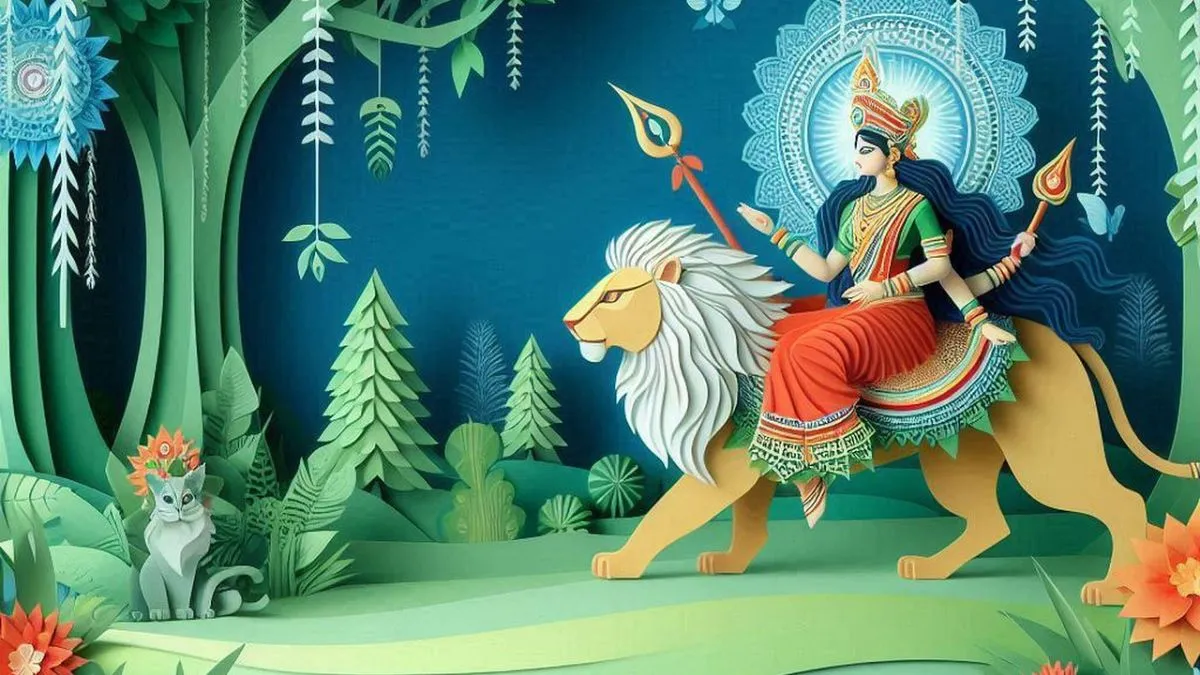
Navratri is deeply rooted in tradition! Along with abstaining from certain foods, many rules during Navratri guide actions like cutting hair, wearing particular clothes, and the purity of food. These practices are followed across many households with different levels of strictness. Most people have questions about what are the do and don'ts for Navratri.
We reached out to Dr Ananya Singh, Vedic priestess and cultural scholar, to understand why these “no’s” are important, not just culturally, but also spiritually and health-wise. Let's dig in:
Also read: Sabudana khichdi Navratri recipe: How to make it non-sticky and full of flavour
FAQs on Navratri Fasting
1. What are the common “nos” during Navratri fasting?
Some common restrictions include avoiding haircuts, nail cutting, garlic, onion, meat, alcohol, sharp tools, and major new ventures.
2. Why should haircuts and nail cutting be avoided during Navratri?
Traditional belief views the body as a temple during fasts. Cutting nails or hair is thought to disrupt purity and respect for the body.
3. Why is garlic and onions avoided in Navratri fasting?
Garlic and onion are considered tamasic, meaning they may increase lethargy or negative energy, which hinders meditation and spiritual focus.
4. Can we eat meat or drink alcohol during Navratri?
No. Non-vegetarian food and alcohol are strictly avoided, as they interfere with discipline, purity, and devotion.
5. Why are sharp tools discouraged during Navratri?
Using knives or blades is often avoided to symbolise non-violence and minimise harm during sacred days.
6. Can pregnant women and elderly people use sharp objects during Navratri?
Traditionally, they are advised not to, as an extra measure of safety and symbolism.
7. Why do people avoid starting new ventures during Navratri?
It’s believed that Navratri should be spent inwardly, focused on prayers and spirituality rather than external projects or business deals.
8. Are these Navratri rules symbolic or practical?
Both. They encourage discipline, reduce distractions, improve digestion, and provide mental relief while maintaining spiritual focus.
9. Can the fasting rules be modified according to personal practice?
Yes. Many families adapt rules based on health, region, or personal devotion while still keeping the essence intact.
10. Is fasting compulsory during Navratri?
No. Fasting is a personal choice while many observe it strictly, others focus more on prayer, meditation, and visiting temples.
11. What foods are recommended during Navratri fasting?
Light, sattvic foods such as fruits, milk, sabudana, kuttu flour, singhara atta, and potatoes are popular.
12. Why is sattvic food preferred in Navratri?
Sattvic food is believed to promote clarity, calmness, and positivity, which support spiritual practices.
13. Can children observe Navratri fasts?
Children are generally not required to fast. Families may allow them to participate by avoiding certain foods or joining puja rituals.
14. Do all regions in India follow the same fasting rules?
No. Customs vary; North India, Gujarat, Bengal, and South India each have unique food and ritual traditions during Navratri.
15. What happens if someone accidentally breaks a Navratri fast rule?
Traditionally, intention matters more than perfection. One can continue with devotion and prayer without guilt.
16. Is it okay to work during Navratri fasting?
Yes. People may continue with regular jobs, though they try to avoid stressful or new beginnings.
17. Can people on medication fast during Navratri?
Those with medical conditions are advised to adapt fasting rules or consult a doctor before observing strict fasts.
18. Why are Navratri rules compared to heritage practices?
They connect devotees with ancestral customs, reinforcing cultural identity and collective spirituality.
19. Do all nine days have the same fasting rules?
Generally, yes, though some people fast only on the first and last day, or adjust based on family tradition.
20. What is the deeper purpose of Navratri fasting rules?
The aim is not just food restriction but achieving spiritual cleanliness, inner peace, and focused devotion to Goddess Durga.
Navratri's regulations, such as the avoidance of garlic, shaving one's hair, or handling sharp objects, may appear archaic, but they all have a higher intent. These observances assist in maintaining spiritual cleanliness, mental acuteness, and heritage. While you may observe all the rules or modify them according to your own religious practice, knowing the reason behind them makes the experience of Navratri 2025 more profound.
Also read: Navratri 2025: Best status videos, WhatsApp clips and wishes to share
