
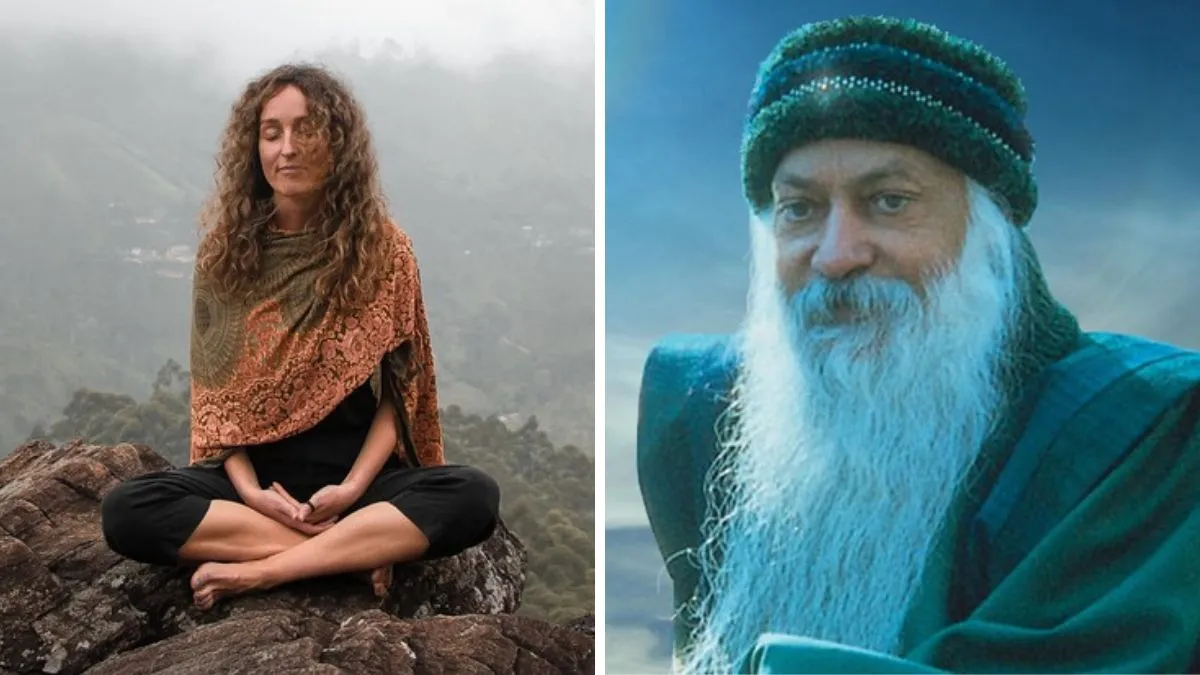
Meditation was something for monks, ascetics, and seekers who renounced worldly life. It was confined to caves, forests, and far-off ashrams, not to the living room, office, or city terrace. Then came Osho, the spiritual rebel who refused to accept that inner peace required outer renunciation. Instead, he opened the meditative path to everyone-householders, students, professionals, creatives, and the endlessly restless modern mind.
His premise was simple but innovative: if human beings are diverse, their inner pathways must be diverse, too. No single technique can suit every temperament. Some people need silence, some need movement, some need catharsis, some need breath, and many need a mix of all four.
Active meditations for the restless modern mind
Osho understood that today’s mind is overloaded, buzzing with information, stress, speed, and suppressed emotions. Asking such a mind to “sit still and watch your breath” is like asking a storm to calm down on command.
That’s why he created his iconic active meditations:
- Dynamic Meditation
- Kundalini Meditation
- Nadabrahma Meditation
- Nataraj Meditation
These techniques work in stages, intense breathing, shaking, movement, or humming, which release emotional weight and clear psychological clutter. Only after this cleansing does silence arrive naturally. In doing so, Osho redefined meditation as a movement from chaos to consciousness, instead of a forced escape from the world.
Stillness, for those who love silence
For those who prefer quietness, Osho also revived and reimagined passive techniques like Vipassana and Zazen. These practices centre on effortless awareness, simply watching the breath, observing thoughts, and resting in pure presence.
The beauty of Osho’s approach is that both pathways, the dynamic and the deeply silent, are equally honoured. Whether someone is an introvert, extrovert, emotional, logical, busy or contemplative, there is a doorway crafted for them.
The meditative power of Osho’s voice
A unique and often overlooked aspect of Osho’s work is the profound effect of his voice. To the millions, listening to him is like a meditative experience in itself. His rhythm and pauses and silences are imbued with an unmistakable presence; even a discourse becomes a doorway inwards.
Many describe sinking into stillness simply by listening.
Why Osho gave so many techniques
Osho was once asked why he created hundreds of methods instead of one perfect technique. His answer captures the heart of his vision:“Each human being is unique. I want everyone to find at least one door through which they can enter their own being.” That is why his body of work spans more than 300 techniques, an entire landscape of inner exploration.
Dhyan Diwas: Celebrating a master of meditation
Every year, on 11th December, his lovers across the world celebrate Dhyan Diwas, the Day of Meditation. It’s a global reminder of his gift to humanity: a vast, compassionate system of methods that help people move from stress to clarity, from emotional overwhelm to peace, from restlessness to awareness.
For those who want to experience these techniques firsthand, Osho Dham in Delhi offers meditation camps in a serene, supportive environment, a chance to immerse yourself deeply and discover the method that resonates with your own inner rhythm.
Also read: Meditation and mindfulness: Spiritual retreats and ashrams near Bengaluru
