
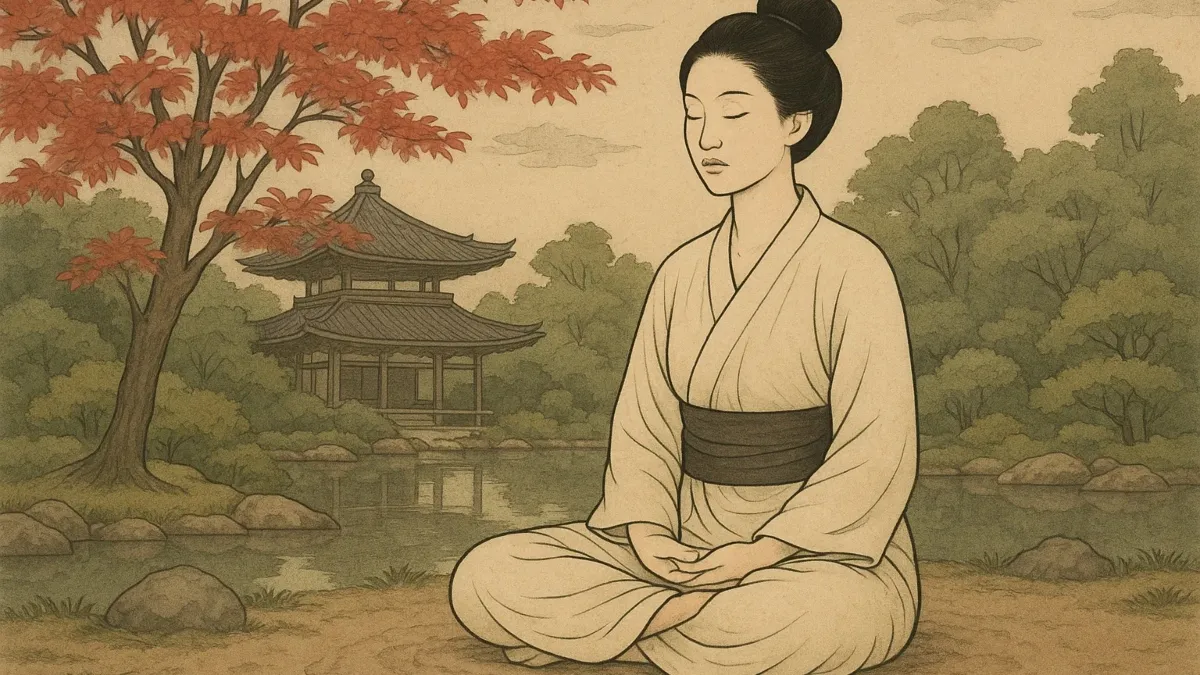
Disappointed with fleeting New Year's resolutions? And habit challenges that are nothing short of impossible? Where Western approaches tend to focus on achieving an instant boost in productivity, there is an extremely old Japanese philosophy that can assist you in forming habits in a slower yet sustainable manner.
What Exactly is Shukan?
At its core, Shukan isn't necessarily "habit" or "routine". It's a philosophy that's extremely ingrained in Japanese society, tradition, and even harmony. Unlike quick fixes, Shukan is about repeated practice and self-discipline for the long term. It's about developing good habits that build your character, improve your productivity, and contribute to your well-being.
Break apart the kanji:
習 (Shuu): To learn or to practise.
慣 (Kan): "to get used to" or "to become accustomed to".
Together, they form the image: building capability by repetition until the task is second nature. It's less a question of growth than attitude; it's an attitude that pervades the life of work and study, even etiquette in Japan.
Shukan in Daily Japanese Life
Shukan theory finds its origins deep in the culture of Japan, in how individuals embrace rituals that result in discipline.
Shukan is a traditional Japanese philosophy that emphasises self-discipline for long-term habits. It focuses on building character, improving productivity, and contributing to well-being.
Steps to include 'Shukan' into your life
Start small: If you want to meditate every day, start with two minutes rather than twenty.
Maintain consistency: every day, carry out your new routine at the same time. It becomes organically a part of your rhythm when you are consistent.
Attach it to a custom that already exists: After brushing your teeth, complete your two-minute hydration or meditation prompt. We call this habit stacking.
Monitor your actions: To track your progress, use a basic checklist or habit app; visual signals encourage regularity.
Gradually get better: in keeping with the tenets of Kaizen, after your routine becomes natural, incorporate a minor, doable improvement, such as stretching after meditation or a minute of writing.
ALSO READ: Are you being emotionally manipulated? Therapist shares 6 signs to watch out for
