
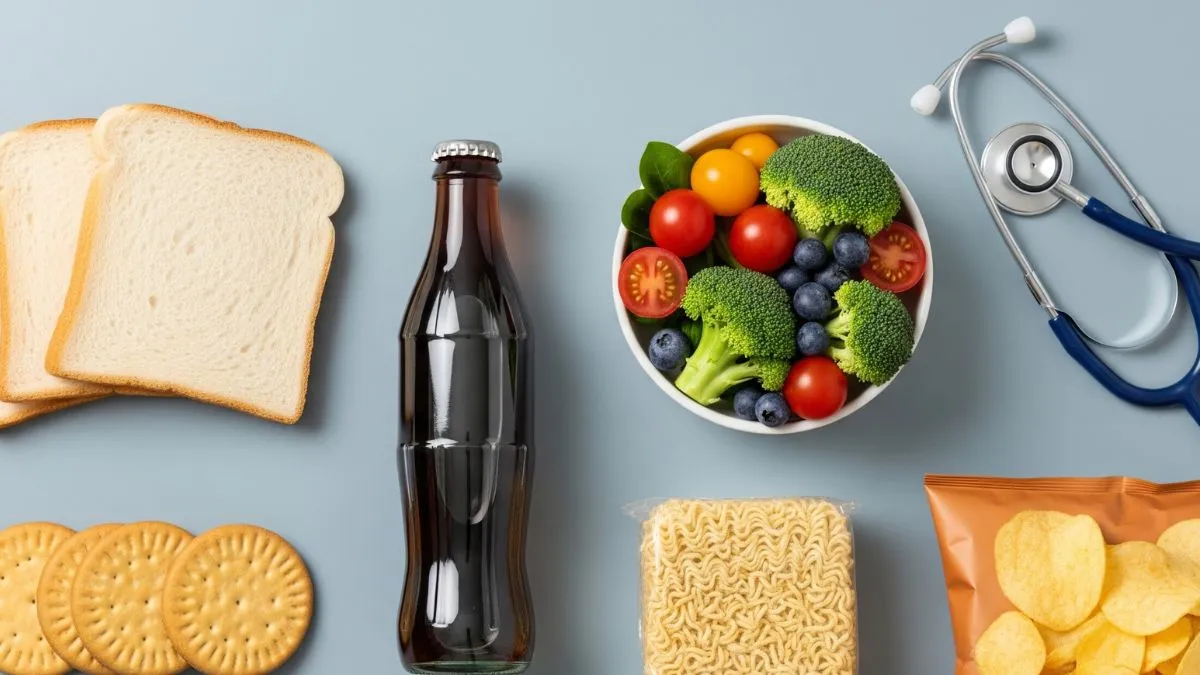
A new large-scale US study raises concern over diets high in ultra‑processed foods (UPFs). This list includes: bread, soda and instant noodles and their association with lung cancer. As per the findings, the individuals who consumed the most UPFs have a 41% higher risk of developing lung cancer. This percentage is in comparison to those who ate the least.
This relationship is maintained even after adjusting for factors like smoking status, overall diet quality, and other potential risk factors. Researchers caution that while the findings are significant, they do not establish causality. Still, the study underscores how everyday, convenient foods may quietly impact respiratory health over time.
What counts as ultra‑processed food?
UPFs are industrially formulated food products made with additives such as colourings, emulsifiers, preservatives, flavour enhancers and artificial sweeteners. They often have long ingredient lists and minimal nutritional value. Common examples include packaged snacks, breakfast cereals, soft drinks, baked goods, instant meals and processed meats.
How ultra‑processed foods might raise lung cancer risk?
Experts propose several mechanisms behind the link:
- Chronic inflammation and oxidative stress are triggered by food additives and low nutrient density.
- Gut microbiota disturbance, potentially affecting immune responses throughout the body, including the lungs.
- At its worst, UPFs may contribute to metabolic dysfunction and obesity, established cancer risk factors.
Decoding the study
- The study involved nearly 102,000 adults aged 55–74, and they were tracked over roughly 12 years.
- It documented 1,706 lung cancer diagnoses, of which 86% were non-small cell and 14% small cell types.
- UPF consumption averaged nearly three servings per day, ranging up to six for heavy consumers.
- Those in the highest quartile had a 41% elevated risk compared to those with the lowest intake.
This research contributes a valuable layer to public health conversations as it connects ultra‑processed food consumption with lung cancer risk, even in individuals who don't smoke. It supports general evidence that regular eating of highly processed foods is correlated with poorer health, such as obesity, diabetes, cardiovascular disease and a number of cancers.
Until further research establishes causality and excludes confounding factors, the most prudent nutrition advice is still: consume whole, minimally processed foods as much as possible.
[ALSO READ: Sitting in silence for two hours can stimulate the generation of new brain cells: Expert opinion]
