
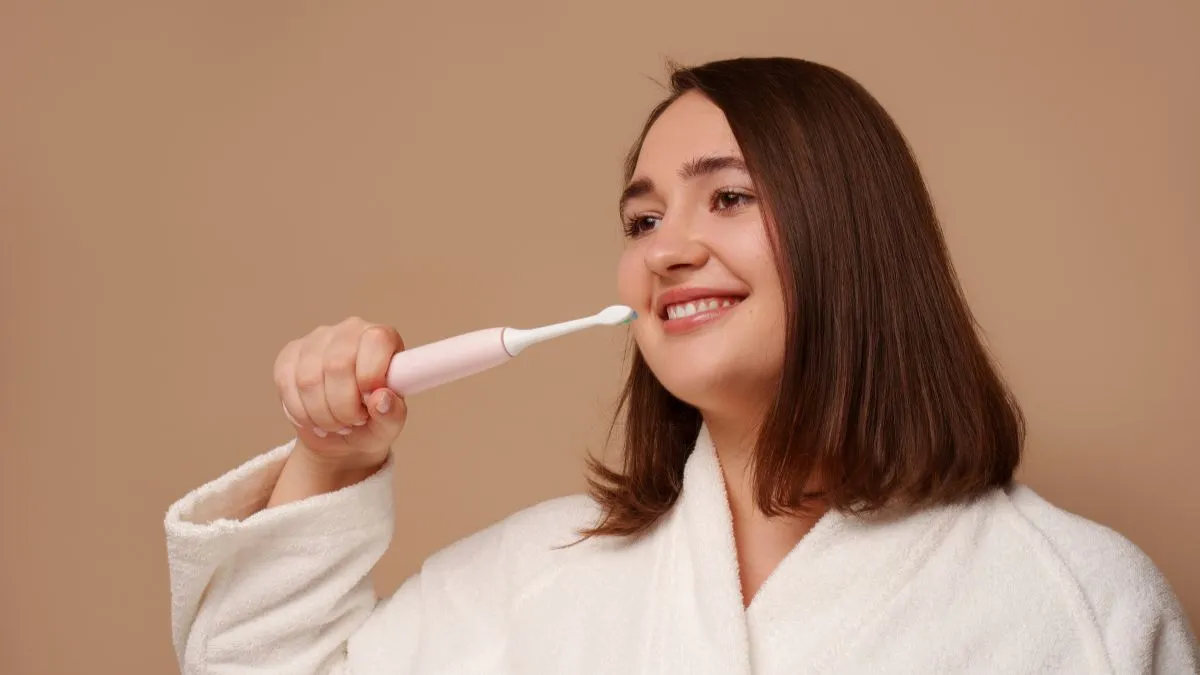
Electric toothbrushes have quietly moved from "recommended by the dentist" to "bathroom bragging rights." With their sleek designs, connectivity with smartphones, and pressure sensors, they promise cleaner teeth with half the effort. But are electric toothbrushes worth the hype?
Electric toothbrushes can be better, for some people, in some situations. But they’re not a golden ticket to perfect teeth, and they certainly don’t replace good habits. Here’s how to tell if they’re worth the switch.
What electric toothbrushes genuinely do well
The biggest advantage of an electric toothbrush is consistency. It delivers a steady brushing motion every single time, which matters more than most people realise. Built-in timers nudge you to brush for the full two minutes, while pressure sensors stop overzealous scrubbing, a common cause of gum damage. According to inputs shared by Dr Vikas Aggarwal, Founder & CEO of Dentalkart, these features are especially helpful for people who rush brushing, miss hard-to-reach areas, or tend to brush too aggressively. Over time, that consistency can translate into healthier gums and more effective plaque removal.
Where the hype kicks in
An electric toothbrush is not a miracle worker. A premium model won’t undo poor technique or compensate for skipped brushing sessions. If you already brush twice a day, use fluoride toothpaste, clean between your teeth, and visit your dentist regularly, a manual toothbrush can do the job just as well. The hype creeps in when marketing suggests that only high-end electric brushes can deliver clean teeth. In reality, a basic electric model with a timer often works perfectly fine. The real long-term cost? Replacement brush heads are an expense many people don’t factor in at checkout.
Who benefits most from going electric
Electric toothbrushes tend to shine for specific groups. Children often brush more thoroughly with them simply because they’re easier and more fun to use. Seniors, people with mobility issues, or anyone having trouble brushing can also use the extra help. For these users, an electric toothbrush is not a treat but a tool that helps them maintain good brushing habits.
Manual vs electric: What actually matters
Whether your toothbrush buzzes or not, dentists agree on one thing: technique trumps technology. Brushing your teeth twice a day, flossing between your teeth, and regular dental visits are far more important than how much your toothbrush costs.
Think of an electric toothbrush as a helpful assistant, not a substitute. It can guide, remind, and protect, but it still needs you to show up, morning and night.
Electric toothbrushes aren’t just expensive hype, but they’re not essential either. For many people, they offer a genuine upgrade in consistency and gum care. In the end, clean teeth come down to what you use well, not what you buy.
Good habits beat gadgets, every single time. And yes, your dentist will back that up.
Also read: Oral Health: 8 essential dental habits to keep your teeth and gums healthy
