
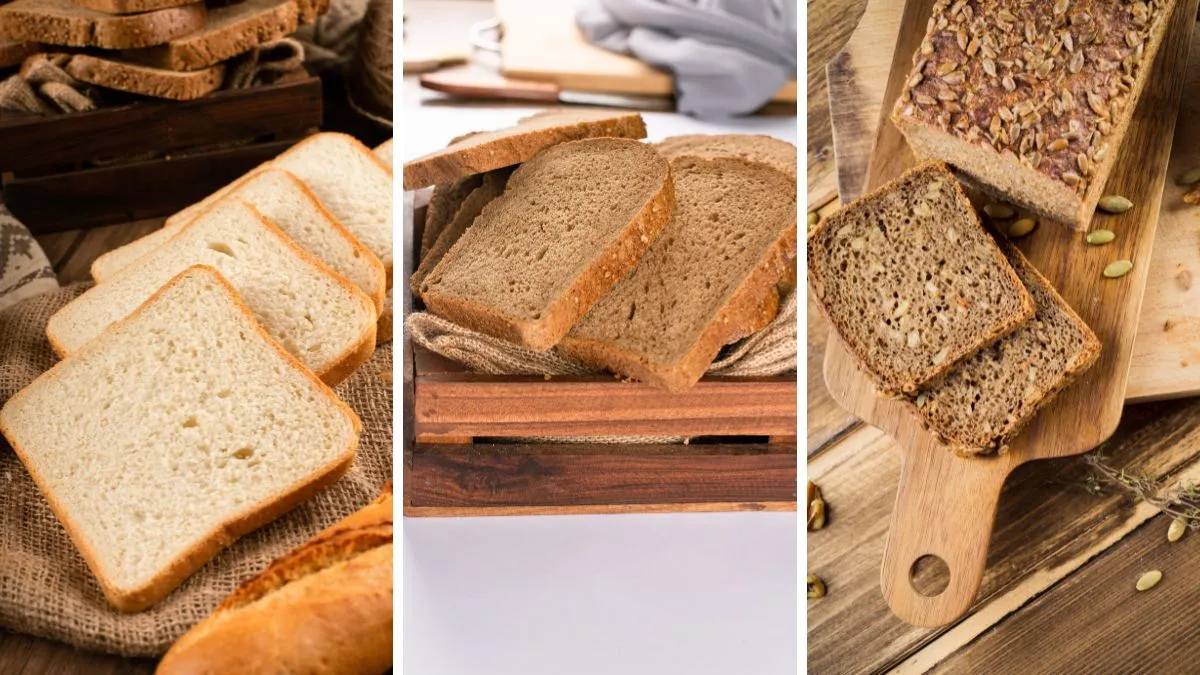
For anyone trying to lose weight, bread is usually the first thing to be blamed. White bread is “bad”, brown bread is “safe”, and multigrain sounds healthy enough to eat guilt-free. But the truth is far more nuanced, and often misunderstood. Simrat Kathuria, Celebrity Dietitian and Wellness Coach, shared her take on this burning question.
The issue isn’t with the bread per se. The issue is with the type of bread you are consuming, the processing it undergoes, and how that affects your body. It is possible to be more informed about how to choose this food while not eliminating it from your diet altogether.
Why white bread struggles on a weight-loss plate
White bread is made from refined flour, where the bran and germ are removed during processing. This strips the grain of fibre and many nutrients. As a result, white bread digests quickly, causing a sharp rise in blood sugar levels.
That quick spike is usually followed by an equally quick crash, leaving you hungry again soon after. This cycle can lead to overeating, frequent snacking and difficulty controlling portions, none of which help with weight loss.
White bread also offers very little fibre, which means it doesn’t keep you full for long. If weight loss is your goal, this lack of satiety is a major drawback.
Is brown bread always the healthier choice?
Brown bread has long enjoyed a “healthy” reputation, but not all brown breads are created equal. Many commercially available brown breads are essentially white bread dyed brown using caramel colouring or molasses.
Unless the label clearly states whole wheat or whole grain as the first ingredient, brown bread may not offer significantly more fibre or nutrition than white bread. This is why some people switch to brown bread but see no real difference in hunger levels or weight.
That said, genuine whole wheat bread, where the entire grain is used, can be a better option than white bread, especially when eaten in moderation.
Why multigrain bread often works better for weight loss
Multigrain bread usually contains a mix of grains such as oats, barley, millets, seeds and whole wheat. When made properly, this combination increases fibre, protein and micronutrient content.
The biggest advantage of multigrain bread is slower digestion. Fibre-rich grains take longer to break down, which helps keep blood sugar levels stable and keeps you full for longer. This naturally reduces unnecessary snacking and overeating. Another benefit is texture. Multigrain bread tends to be denser, which encourages mindful eating.
Portion size still matters
Even the healthiest bread can stall weight loss if eaten in excess. Two slices of good-quality multigrain bread paired with protein and healthy fats can support weight loss. Four or five slices on their own probably won’t.
Bread works best when it’s part of a balanced meal, think eggs, paneer, nut butter, hummus or vegetables alongside it. This combination slows digestion and improves satiety.
How to choose the right bread at the store
Instead of relying on colour or marketing claims, turn the packet around and read the ingredient list. Look for:
- “Whole wheat” or “whole grain” as the first ingredient
- At least 3–4 grams of fibre per slice
- Minimal added sugar
- Fewer artificial additives
If the ingredient list starts with refined flour, even a brown-looking bread won’t help much. Weight loss isn’t about eliminating bread; it’s about choosing better bread and eating it wisely. White bread offers convenience but little satiety. Brown bread can be misleading unless it’s truly whole wheat. Multigrain bread, when made with real grains and fibre, is often the most supportive option for weight loss.
Instead of fearing bread, learn how to read labels, watch portions and build balanced meals. That approach is far more sustainable and far kinder to your relationship with food.
Also read: US-based gastroenterologist rates popular breakfast options. Here’s how idli-dosa ranked
