
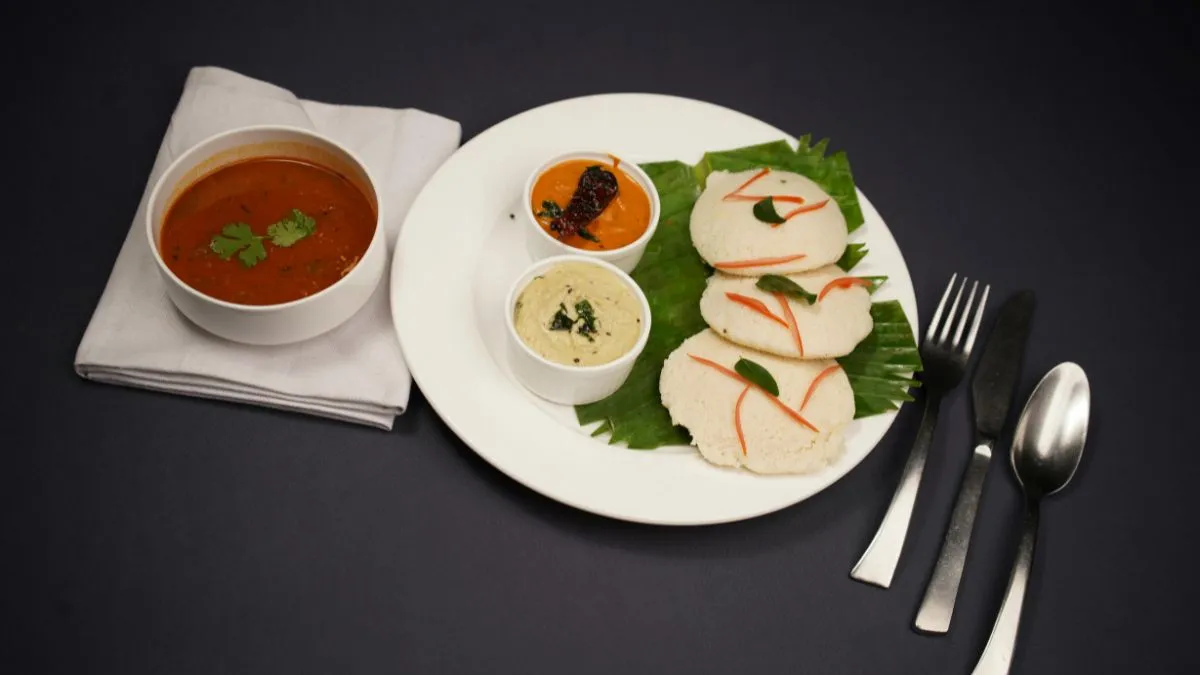
Idlis are a staple breakfast in many Indian homes, loved for being light, fluffy, and easy to digest. But walk into any kitchen and you’ll find two main versions on the plate suji (rava/semolina) idli and rice idli. Both are delicious, but which one is the healthier choice?
In all honesty, this question has bothered me whenever I am craving a plate of delicious idli sambhar! Don't worry, let's dissect their nutrition, preparation, and health impact so you can choose what works best for your body. Let's go:
Also read: From Rs 5 street idli to 5,000 gold plated Idli, food vlogger rates taste of all idlis in Bengaluru
Nutritional profile of suji idli
Suji idli is prepared using semolina and most often without the fermentation process, so it is quicker to make. Suji contains a lot of refined carbohydrates and less fibre than whole rice or lentil mixtures, but is gentle on the stomach, low in fat content, and gives instant energy, so it's something that children, the elderly, and anyone seeking a light meal can enjoy.
On the negative side, suji has a greater glycaemic index, which implies that it causes a more rapid increase in blood sugar. For diabetics or those who are weight watchers, a frequent intake of suji idlis might not be the right choice.
Nutritional profile of rice idli
Rice idli consists of a fermented urad dal and rice batter. Fermentation increases gut-friendly probiotics, facilitates digestion, and improves nutrient uptake. Urad dal also introduces protein and fibre into the rice idlis, making them more filling and nutritious compared to suji idlis.
Whereas the conventional rice idlis are healthier as such, portion control does not cease to matter. White polished rice has the ability to drive the carb content up, and hence selecting parboiled rice or brown rice versions can keep them even healthier.
Which one is healthier?
If you’re looking for something light, quick, and easy to digest, suji idlis work well occasionally. But if your goal is sustained energy, better digestion, and overall nutrition, rice idlis, especially made with unpolished rice and urad dal, come out on top.
Nutritionists often recommend alternating between the two, depending on your individual needs. Suji idlis are great for a light snack, while rice idlis make a more wholesome, balanced meal.
Both suji and rice idlis are acceptable on your plate. Suji idlis for convenience and lightness, rice idlis for nutrients and gut health. The healthier option would be based on your lifestyle and health objectives, but if balance is the goal, rice idlis rule.
