
Ramadan rarely arrives quietly. There is always a pause in the air before it begins. This year, Ramadan 2026 is expected to start on the night of February 18, subject, as always, to the sighting of the crescent moon. Astronomical estimates place visibility somewhere between 6:15 pm and 6:45 pm IST, once the sky dips into that brief post-sunset darkness. People will look westward. Rooftops, open grounds, mosque courtyards. If the moon is sighted that evening, the first Roza will be observed on Thursday, February 19. If not, the fast will begin on February 20, completing 30 days of Sha’ban.
With the start date settling in, attention shifts from calendars to routine. Fasting is not just about abstaining from food and water. It recalibrates sleep, eating, energy, mood. The rhythm of the day changes. Which is why understanding the everyday dos and don’ts around fasting, including how one opens the fast at sunset, becomes just as important as the fast itself.
Ramadan 2026 fasting dos for Roza and daily routine
- Fast with sincerity, focusing on spiritual purification and self-discipline.
- Stay mindful of prayers and engage in extra Taraweeh during Ramadan nights.
- Maintain patience and good behaviour. Avoid arguments, gossip and negative thinking.
- Wake up for Sehri. It is Sunnah and helps sustain energy through the day.
- Stay hydrated between Iftar and Sehri to prevent dehydration.
- Eat balanced meals including complex carbs, proteins, healthy fats and fibre.
- Include hydrating foods like cucumbers, watermelon, yoghurt and soups.
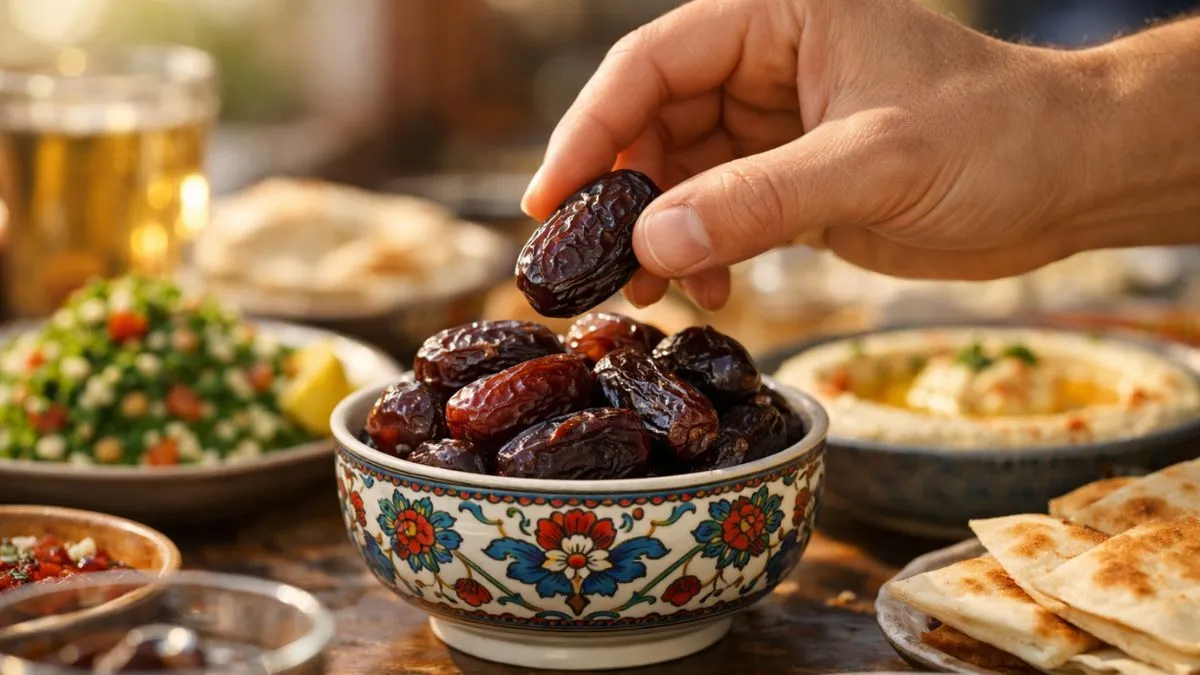
- Break the fast gently. Start with dates, fruit or light soup before heavier food.
- Practise portion control at Iftar to avoid bloating and sluggishness.
Ramadan 2026 fasting don’ts to avoid during Roza
- Skipping Sehri, which can lead to fatigue and intense hunger later.
- Wasting food by over-preparing for Iftar.
- Neglecting prayers despite fasting.
- Being excessively idle or unproductive during the day.
- Unhealthy post-Iftar eating habits.
- Consuming too much fried or sugary food that increases thirst.
- Excess caffeine intake like tea, coffee or soda, which can dehydrate.
- Eating too fast at Iftar, leading to indigestion and discomfort.
What Sehri means within the fasting routine
Sehri sits at the quieter end of the fasting cycle, but its role is just as central. It is the pre-dawn meal eaten before the fast begins, usually taken in the stillness of early morning hours. Traditionally simple but sustaining, it prepares the body for a long stretch without food or water. Beyond nourishment, it carries intention, waking up early, gathering briefly, beginning the fast with mindfulness. From a health lens too, Sehri matters. What and how one eats here shapes energy levels, hydration and stamina through the day that follows.
What Iftar means within the fasting routine
Iftar sits at the emotional and physical centre of the fasting day. It is the meal that breaks the fast at sunset, traditionally beginning with dates and water before easing into a fuller spread. But it is not only about food. Families gather. Mosques host community meals. Conversations return after long quiet hours. From a health lens too, Iftar matters, it is the body’s first intake after prolonged fasting, so how gently or heavily one breaks the fast can shape energy, digestion and hydration for the night ahead.
