
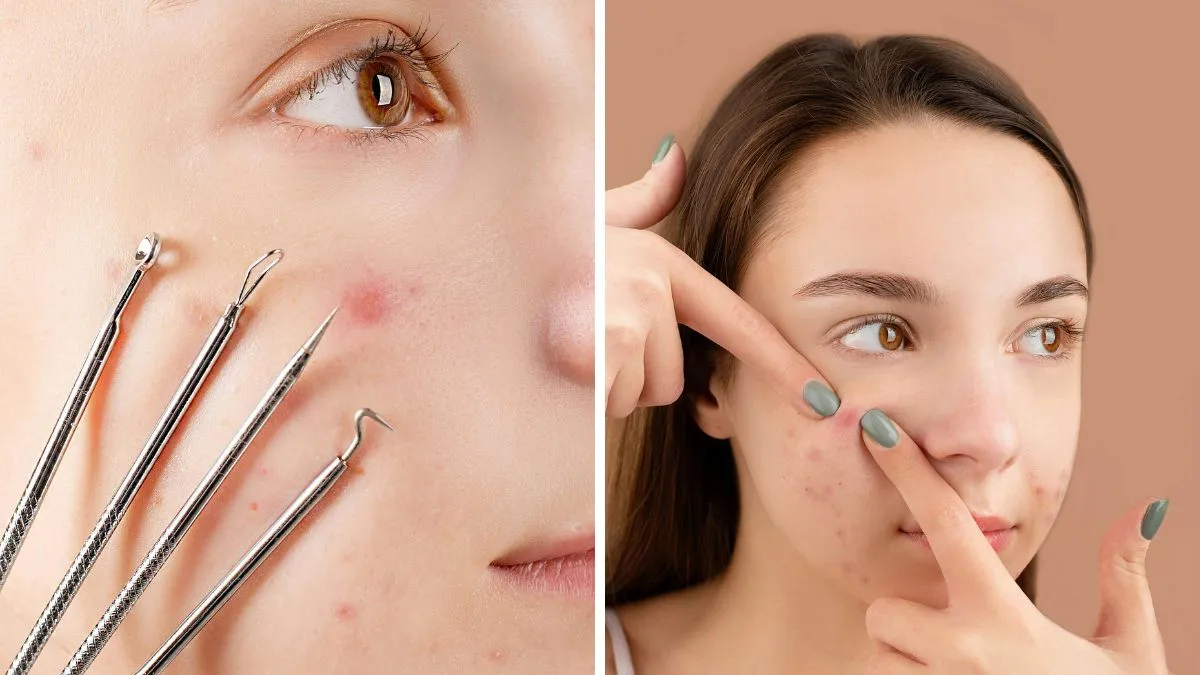
Being a teenager is always tough! You have so many changes to understand, but nothing riles up a teen like dealing with acne! This December, teenage acne is rising, and this winter-driven spike is becoming especially noticeable in urban areas where cold winds meet heavy pollution.
According to Dr Richa Negi, Consultant Dermatologist at Kaya Limited, this seasonal combination creates “a hostile environment for young, acne-prone skin, making breakouts more frequent and more inflamed.” As temperatures drop and smog thickens, teenage skin is pushed into a cycle of dryness, oiliness, congestion and delayed healing, the perfect storm for acne.
Cold air: When winter strips the skin of moisture
Winter naturally brings a sharp dip in humidity, and with it, a drop in the skin’s moisture levels. Dr Negi explains that “the cold, dry environment weakens the skin barrier, making it more sensitive and reactive.” As the skin tightens and dries out, it tries to compensate by producing more sebum.
That excess oil mixes with the dry, flaky cells that build up faster in winter, creating the perfect plug for clogged pores. For teenagers, who already struggle with hormone-driven oiliness, this imbalance becomes even more intense, making breakouts far more likely.
Pollution: When smog settles deep into the pores
As if dryness wasn’t enough, winter also brings a spike in pollution levels. The smog in urban air contains particulate matter like PM2.5 and PM10, particles so small they can lodge themselves deep into pores.
Dr Negi notes that these pollutants mix with sebum and dirt, creating “pore-blocking plugs that trigger inflammation and fuel bacterial growth.”
They also increase oxidative stress, which weakens skin cells and slows healing. Teenagers who spend long hours outdoors, commuting, playing sports or attending classes, are exposed to this pore-clogging cocktail daily.
The winter double-hit: why acne flares up more now
When cold air and pollution collide, teenage skin faces two extremes at once: dryness and impurity. Dry weather accelerates the buildup of dead skin cells, while pollution forces more debris into already stressed pores. The combined effect?
- more blackheads and whiteheads
- deeper, angrier pimples
- redness and inflammation
- breakouts that take longer to heal
Dr Negi calls it “a seasonal trigger that overwhelms the skin, especially in adolescents whose oil glands are naturally more active.”
How teenagers can protect their skin this winter
Understanding how winter air and pollution affect the skin is the first step. The next step is adopting gentle, consistent skincare habits that strengthen the barrier and prevent congestion.
Dr Negi recommends:
- using a mild, non-comedogenic cleanser
- moisturising twice a day with a non-comedogenic formula
- applying sunscreen daily, even in winter
- strengthening the skin barrier with hydrating ingredients
These simple things can help you to fight the dreadful acne, and then you can focus on your friends, family and exams in peace.
Also read: When is acne more than ‘just teenage hormones’? Dermatologist explains when to seek help
