
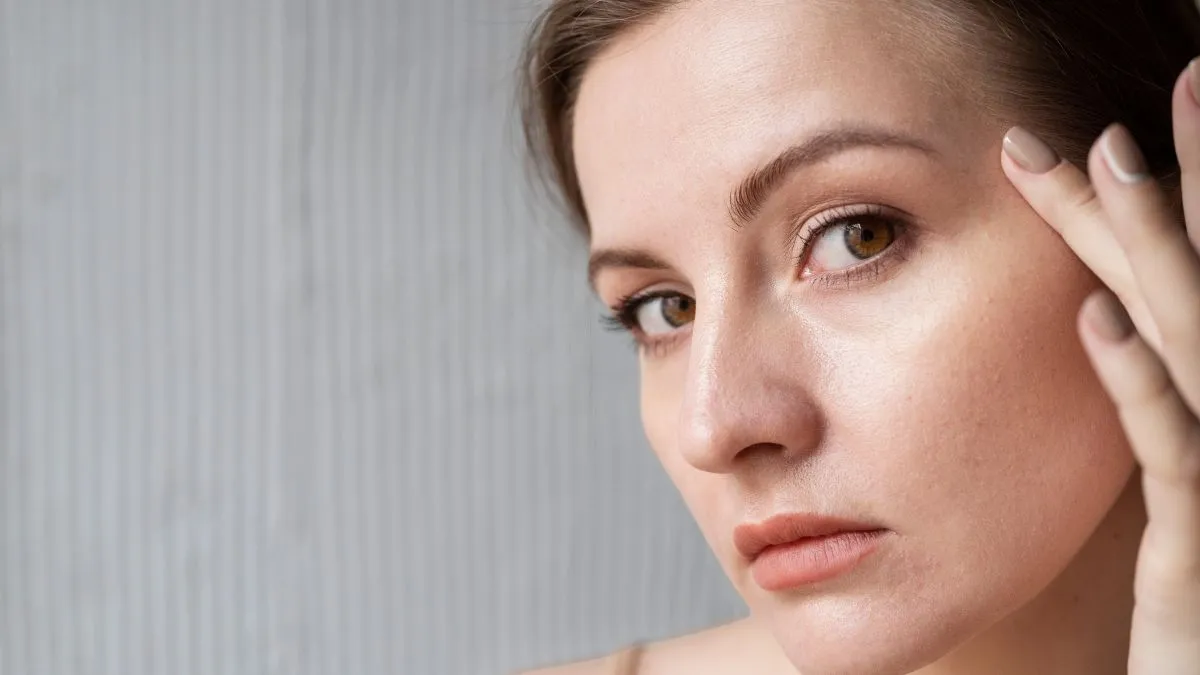
With the arrival of summer, women start experiencing certain changes in their skin. Dark spots are more visible, and the skin becomes dry and loses its natural lustre. Such problems are generally taken as superficial problems, but experts say such problems can sometimes be related to hormonal changes occurring in the body.
Skin problems are related to hormonal changes in the body, especially during the years leading up to menopause. This has been stated by Tamanna Singh, Certified Menopause Coach and Co-founder of Menoveda.
“Many women assume pigmentation or dryness is purely a skincare issue, but in many cases these changes are influenced by hormonal shifts happening during perimenopause,” she explains.
How hormones affect skin health
Estrogen is also very important in the maintenance of skin hydration, collagen, and elasticity. It also helps in the maintenance of the skin’s natural barrier, enabling it to retain moisture and be smooth in texture. However, in their late 30s and 40s, women may experience a fluctuation in their estrogen levels, a condition known as perimenopause.
“Estrogen helps maintain skin hydration and elasticity. When levels begin to fluctuate, the skin may become more sensitive to environmental stressors such as sunlight,” Singh says. This increased sensitivity can lead to more visible pigmentation, uneven skin tone and sun-induced dark patches, especially during the summer months.
Why is dryness more noticeable in summer
Hormonal shifts can also reduce the skin’s ability to retain moisture. “When estrogen levels decline, the skin’s natural ability to hold water decreases,” Singh explains. “This can lead to dryness, dullness and a feeling of tightness.”
During summer, these effects may become more pronounced because heat, dehydration and sun exposure can further weaken the skin barrier.
Skin as a reflection of internal balance
Experts say skin often reflects the body’s internal hormonal and nutritional state. “Skin is often an external mirror of internal hormonal balance,” Singh notes. “When hydration, nutrition, and hormonal health are supported, the skin naturally responds with enhanced resiliency and texture.”
Understanding this relationship can assist women in moving away from quick solutions and towards a more holistic approach to health and wellbeing.
Looking beyond cosmetic solutions
Understanding the relationship between hormones and skin can assist women in understanding what is happening in their bodies as it transitions through seasonal and hormonal changes. Instead of trying to correct pigmentation and dryness by using different creams and products, experts advise women to focus on hydration, nutrition, and hormonal health.
“When women understand the hormonal connection, they are more likely to take steps that support their overall health rather than just treating the symptoms on the surface,” Singh says.
Also read: The rise of clinical hair and skin treatments: Why DIY remedies often fall short
