
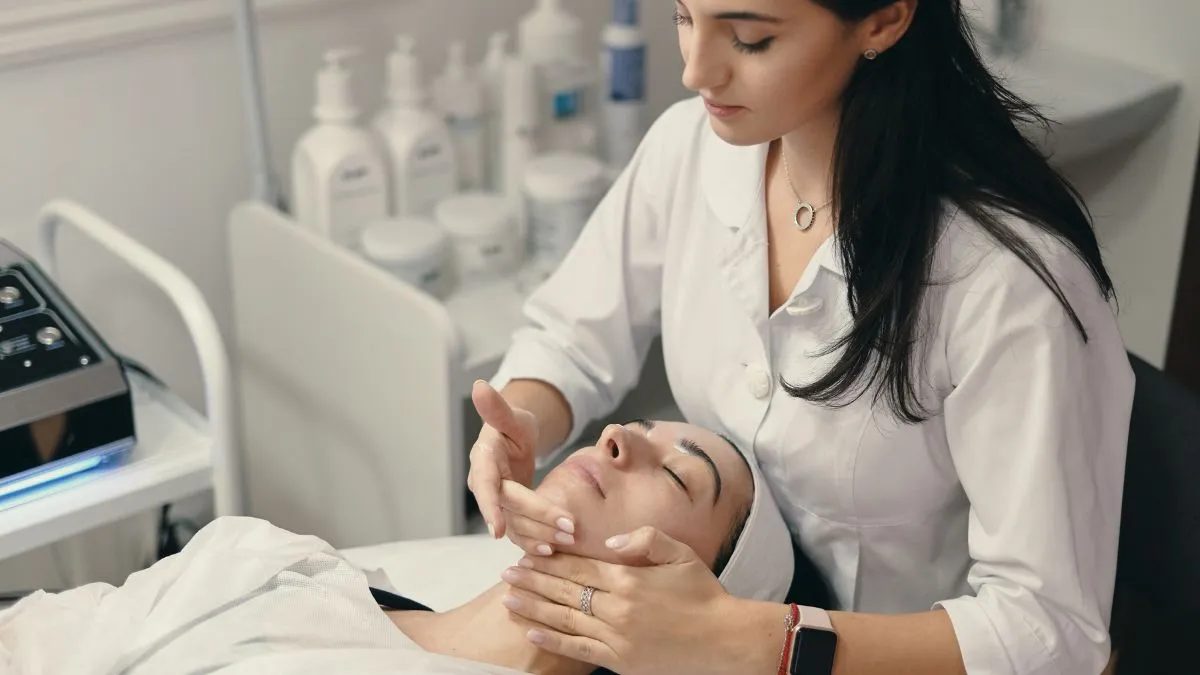
India has seen increasing demand for clinical hair and skin treatments during the past few years. Dermatologists now treat more patients who need help with hair loss, acne scars, and skin discoloration, as well as premature aging. People choose DIY solutions because they are easy to access and people understand them from their traditions, but experts warn that these solutions only provide short-term relief while they fail to solve the main issue.
Dr Dhanraj Chavan, who serves as Head Dermasurgeon at ClearSkin and HairMD in Pune, states that patients visit clinics after spending several months or years trying to treat their conditions with home remedies. “People often try natural oils, kitchen ingredients, or internet-recommended remedies hoping for quick fixes,” he says. “While some of these methods may improve the surface appearance of skin or hair temporarily, they usually cannot penetrate deep enough to correct the underlying biological issue.”
Why DIY remedies often fail
One of the biggest reasons DIY remedies fail to deliver long-term results is the difference in strength and delivery of active ingredients. At-home treatments typically contain low concentrations of beneficial compounds, and even when natural ingredients are effective, they cannot reach the deeper layers of the skin or scalp where many problems originate.
“Hair follicles and skin structures lie below the surface,” explains Dr Chavan. “Unless treatments are designed to reach these deeper layers, the results will always be limited.”
Understanding the root causes of hair and skin problems
Hair loss, for example, is rarely caused by just one factor. Genetics, hormonal changes, stress, nutritional deficiencies, scalp infections, certain medications, ageing, and even tight hairstyles can all contribute to hair thinning. Because of these multiple triggers, dermatologists stress the importance of identifying the root cause before deciding on treatment.
“Hair fall is often a symptom rather than the disease itself,” says Dr Chavan. “Without proper diagnosis, people may continue trying remedies that do not target the actual problem.”
Clinical treatments that target the problem
Modern dermatology treatments focus on addressing these underlying mechanisms. Procedures such as Platelet-Rich Plasma (PRP) therapy involve extracting a patient’s own blood, concentrating the growth factors, and injecting them into the scalp to stimulate dormant hair follicles. This process helps improve blood circulation and promotes cellular regeneration.
Another increasingly popular treatment is mesotherapy, which delivers vitamins, amino acids, and essential nutrients directly into the scalp through microinjections.
Advanced skin treatments for long-term results
Skin treatments have also evolved significantly over the past decade. Dermatologists now use scientifically designed procedures to treat concerns like pigmentation, acne scars, and uneven skin texture. Chemical peels, for instance, use controlled levels of medical-grade acids to remove damaged skin layers and stimulate collagen production. This encourages fresh skin cells to regenerate, improving tone and texture. Meanwhile, low-level laser therapy helps stimulate hair follicles, encouraging new hair growth in patients experiencing thinning hair.
Advanced technologies such as CO2 laser treatments are particularly effective in reducing deep acne scars. These lasers carefully remove damaged tissue and trigger the body’s natural healing response, allowing healthier skin to form. “The biggest difference between clinical treatments and DIY remedies is precision,” says Dr Chavan. “Medical procedures are designed to target the exact layer of skin or scalp where the problem originates. That is why they tend to produce more reliable and long-lasting results.”
“Home care can support skin and hair health,” Dr Chavan notes, “but when a condition continues for months or worsens over time, professional evaluation becomes important. Early treatment almost always leads to better outcomes.” The growing shift toward clinical dermatology reflects a broader change in how people approach personal care, moving from temporary fixes to scientifically backed solutions that address the problem at its source.
