
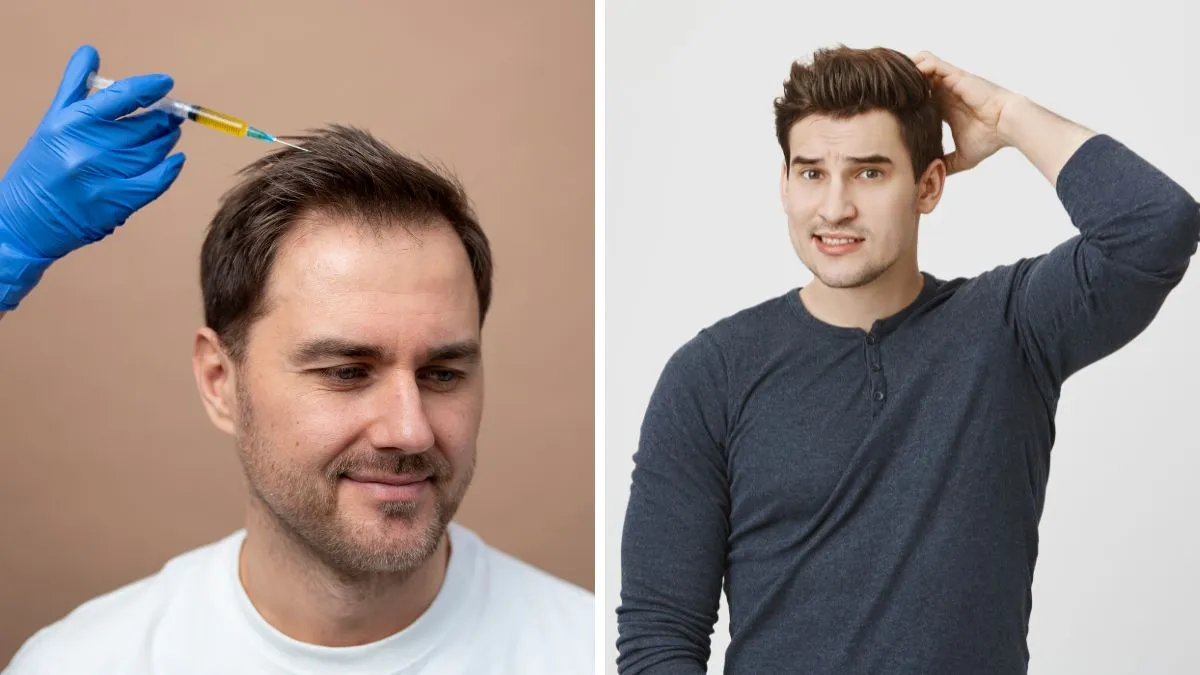
When it comes to the aesthetic appeal of a person, hair plays a vital role. In fact, many men dread the possibility of going bald and losing their confidence. One of the easiest ways to fight this possibility is to get a hair transplant.
Five years ago, you could spot a hair transplant from a mile away. The stiff, straight hairline. The “he clearly did something” vibe. In 2025, that world is gone. India’s urban men, especially in their 30s, are booking hair transplants quietly, discreetly, and, in many cases, successfully enough that even close friends don’t notice a thing.
“Patients don’t come to me asking how many grafts they’ll get. They come asking if they’ll still recognise themselves in the mirror, or whether people will judge them,” says Dr Abhishek Pilani, MD Dermatology and Hair Transplant Specialist. It’s not a vanity moment; it’s a confidence comeback.
The secret is time: Hair transplants don’t work overnight anymore; they age with you
In Instagram culture, everyone wants a six-hour miracle. Modern transplants don’t work that way, and that’s the selling point. “What hair transplantation offers is not an overnight fix. It is a biological process that takes months and requires patience,” says Dr Pilani. Most clinics that promise instant results? Either outdated, unethical, or banking on the client’s desperation.
The biggest shift: People don’t want a new face, they want an invisible change
Earlier, men feared walking into the office looking like they’d borrowed someone else’s hair. Today, they fear the opposite, looking obvious.
Dr Pilani explains: “Modern transplantation is a study in nuance, angulation, density, direction, and micro-placement. A good transplant should be invisible to the world.” If someone can point at your hair and say, “Bro, did you get this done?”…it’s a bad surgery, not a bad procedure.
Surgeons aren’t selling machines anymore, they’re selling taste
Instagram ads make it look like a robot does everything. Reality: the robot is just a tool. “Technology supports a surgeon, but it does not replace judgment, experience, or aesthetic sensibility,” says Dr Pilani. Two doctors can use the same equipment and give you:
- A masculine, age-appropriate hairline
or
- A cartoon wig
And yes, men are younger, more emotional, and less embarrassed
Ten years ago, men walked into clinics whispering. Now, they walk in with Pinterest references. But emotionally, the anxiety hasn’t changed.
“When people walk into my clinic, they’re not just enquiring about grafts. They’re wondering if they’ll be judged, if they’ll look unnatural, if they’ll recognise themselves,” Dr Pilani says. Hair isn’t just cosmetic; it’s identity, age, masculinity, dating success, career confidence, everything rolled into strands.
The reality check: it’s not a “one and done” treatment
Men still think they’ll get one transplant and never worry again. Reality check? “Hair loss is progressive. A transplant is permanent, but the rest of the hair will continue to age,” Dr Pilani notes.
In other words:
- today’s solution
- must make sense
- for tomorrow’s face
Otherwise, you’re a 50-year-old with a 22-year-old hairline. Not cute.
So why is everyone doing it, and so quietly?
Because modern hair restoration isn’t about drama. It’s about subtlety, sustainability, and self-respect. “We no longer chase dramatic makeovers; we focus on sustainable, confidence-restoring results that integrate with a person’s life,” Dr Pilani says.
If you think hair transplants are still weird, obvious, painful or “last resort,” you’re stuck in 2008.
In 2025, they’re:
- subtle
- strategic
- customised
- preventative
- emotionally intelligent
Hair loss is still personal, but the solutions don’t have to be dramatic. The quietest procedures are making the loudest changes.
Also read: Does a hair transplant actually hurt? The myths people still get wrong
