
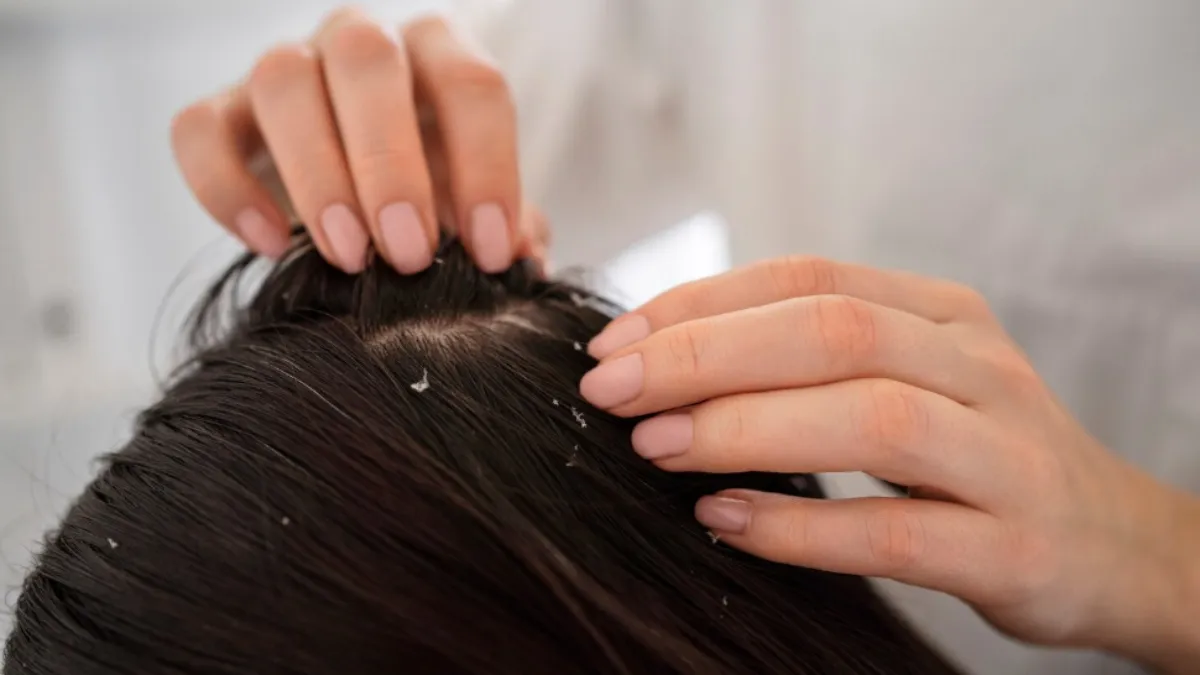
Many of us tend to overlook how everyday haircare and lifestyle habits can silently sabotage a healthy scalp. From skipping hair washing days, overusing dry shampoo and even the styling products we use, overlooked practices in our routines can leave the scalp dry and irritated.
That’s why we spoke to Global Skin Doctor and Founder of skincare line, Dr Vanita Rattan, who breaks down 7 common everyday habits that can cause an itchy, flaky scalp, along with expert tips on how to control hair loss and restore balance.
Skipping wash days
When tired or busy, sometimes it gets tempting to stretch the time between washes. While it can preserve the hair’s natural oils, skipping too many hair wash days can be the main culprit for an itchy, flaky scalp. Sweat, oil, and dead skin cells start to accumulate, creating an environment for Malassezia (dandruff-causing yeast) to thrive.
Not to mention, buildup from styling products can also clog follicles and trap bacteria, which not only causes irritation but worsens dandruff and odour. Find a hair wash routine that suits your scalp type and opt for an anti-dandruff shampoo with gentle sulfates to avoid stripping the scalp. Oily scalps may need washing every other day, while dry or coiled hair might do better with less frequent cleansing.
Overusing dry shampoo
Dry shampoo may offer a quick refresh when short on time, but using it too often can actually dry out the scalp. Since these on-the-go powders and sprays absorb excess oil, overusing them for days at a time can strip the moisture your scalp needs to stay healthy and functional. Leftover product can also mix with oils and dead skin, forming tiny, white flakes that mimic the look and feel of dandruff, often accompanied by itchiness.
In addition, the follicles may become clogged with product buildup, which can lead to inflammation and slower hair growth. I advise avoiding dry shampoo and using it only when necessary. Instead, commit to a proper hair wash routine using your complete hair range every 2-3 days to give your scalp a chance to breathe.
Tight hairstyles
Constantly pulling your hair into tight ponytails, buns, and braids can put excessive tension on your scalp. The mechanical stress can restrict proper blood flow and inflame the follicles, leading to soreness and irritation that may cause you to frequently itch your scalp. Aside from dislodging trapped dead skin, this habit can also damage the scalp barrier, which may cause the scalp to dry out faster and the skin cells to flake off more noticeably.
Alternate between loose styles and try letting your hair down more often. When you need to have your hair up, opt for soft, fabric-coated scrunchies instead of rubber bands to also reduce friction and pressure.
Heat damage
High temperatures from blow-dryers, straighteners, or curling irons can quickly evaporate the scalp’s natural sebum, which normally keeps the skin hydrated and protected. Without natural oils, the scalp can become tight and dehydrated, weakening its ability to lock in moisture while speeding up the shedding of dead skin cells. Dry, unprotected skin tends to become aggravated more easily, and as a result, constant itching may cause flakes to become more apparent.
This is why we should limit heat styling to only a few times a week and always apply heat protectants, such as a strand-strengthening oil, before using any heat styling tools. As well as this, use a microfibre hair towel and then let your hair air-dry to minimise damage.
Product buildup
Styling creams and gels can accumulate over time, especially when routine hair washing is often skipped or delayed. This sticky layer traps leftover products along with sweat and dirt closer to the scalp, making it the ideal breeding ground for Malassezia. The yeast feeds on the surplus of oils triggered by buildup and breaks them down into irritating byproducts that can trigger inflammation, the scalp’s natural defence mechanism.
As a result, excess dead skin cells flake off, producing the itchy flakes associated with dandruff or seborrheic dermatitis. Opt for a fragrance-free shampoo to avoid further aggravating the scalp and incorporate a weekly scalp exfoliator into your routine for a regular deep cleanse.
Fragranced products
Heavily fragranced haircare products such as shampoos and conditioners can smell luxurious. However, synthetic fragrances and denatured alcohol can trigger irritation or allergic reactions. This is due to the scalp having a thinner barrier and a higher concentration of sebaceous glands, making it more prone to sensitivity. When irritated, the scalp's natural response is to overcompensate by producing more oil and shedding excess dead skin cells, which can lead to greasy roots and dryness.
It is always better to switch to ‘NAFE SAFE’ products- meaning no denatured alcohol, fragrance, or essential oils, known irritants that can trigger contact dermatitis, which affects 3-4% of the population.
Ignoring lifestyle factors
Your scalp health isn’t just about what you apply externally. In reality, it’s also influenced by lifestyle factors, including what you consume and how you manage stress. A poor diet can deprive your scalp of essential nutrients needed for repair and oil balance. For instance, a lack of fatty acids, vitamins, and zinc may disrupt sebum production.
Meanwhile, dehydration can weaken the barrier and affect moisture levels, leaving the scalp feeling tight and constantly itchy. So, remember to drink at least 8 glasses of water every day. Chronic stress combined with lack of sleep can also slow down the cell renewal process, leaving the scalp more prone to dryness, flaking, and sometimes even stress-induced psoriasis and scalp dermatitis.
ALSO READ: Why your hair feels frizzy and dull in winter, and how to fix it naturally
