
Artificial intelligence isn’t just something kept in labs anymore. It’s already a part of our daily lives. It helps us find quicker ways home, picks out books we might enjoy, checks our resumes, and even spots potential health problems before they show up. Almost every industry we know is changing because of it. So, if AI can bring big changes to medicine, transport, and finance, why can’t it also change how we think about beauty and skincare?
Skincare has been a guessing game for way too long. We’ve all stared at shelves filled with confusing labels, hoping one cream or serum will finally do the trick. Most of the time, it ends the same way: bathroom cabinets filled with used bottles and that nagging feeling of not finding the right one.
The rise of virtual AI beauty advisors and chatbots
Things are starting to shift, as we now see the rise of virtual AI beauty advisors and smart chatbots. These aren’t just smart tools. They feel personal, they are always there no matter the time, and they seem to care. Instead of guessing what your skin needs, they give you advice based on science.
How AI-powered beauty analysis works
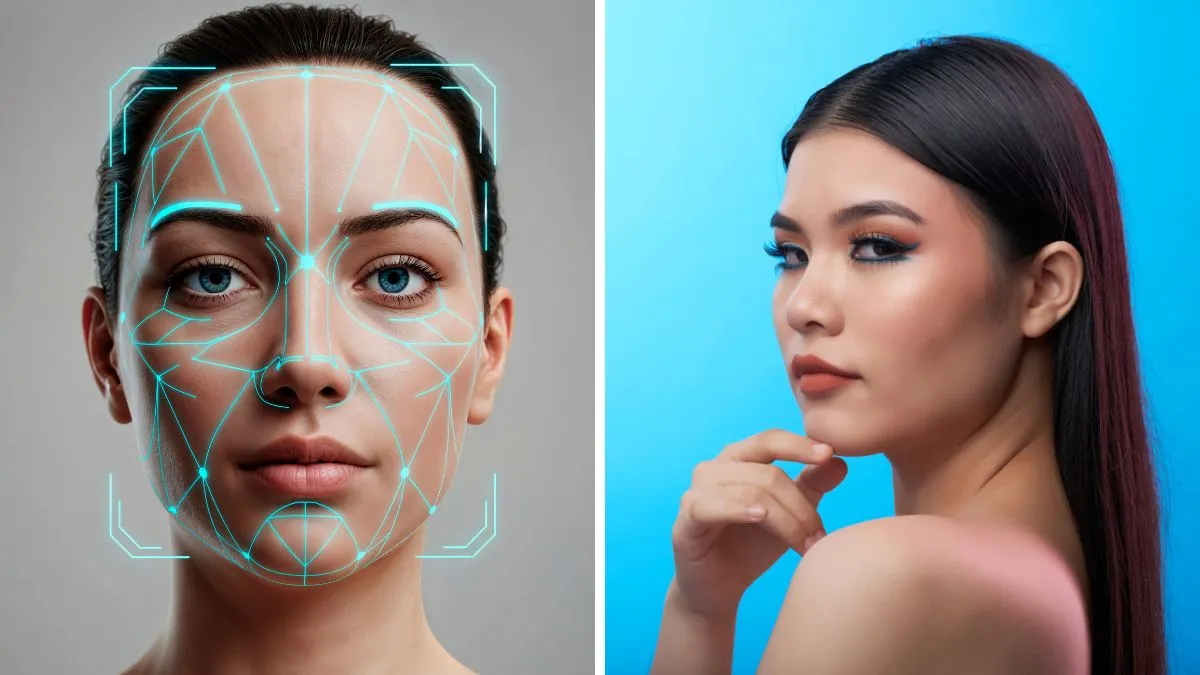
According to Deepak Gupta, Co-Founder, Style Lounge, "The core of these virtual advisors lies in machine learning and advanced image analysis. You snap a selfie, and in moments, the AI figures out small details like dryness, acne, fine lines, uneven skin tone, or pigmentation. These are the things we might not even notice on our own. The system uses trained datasets that include thousands of different skin types to ensure everyone gets customised advice that includes all kinds of people."
Personalised interaction without sales pressure
The real charm is in how they interact. These AI chatbots don’t just recommend products and call it a day; they pay attention. They ask questions about your habits, your daily life, the weather where you live, and your worries. Based on that, they offer what your skin requires, not what some company wants to sell. "It feels like smart guidance without the usual sales pressure," added Deepak.
Emotional comfort in talking to AI
The emotional bond people experience is what gives this its unique strength. Talking to an AI might seem distant or mechanical, but a lot of people feel more comfortable opening up because they know no one is judging them. Privacy offers a safe space to ask anything, look at choices on your own time, and revisit the conversation whenever you need. AI doesn’t roll its eyes when you bring up your third breakout this month. It’s always there, ready to listen as many times as you need.
Making skincare accessible for all
Beyond helping individuals, this has a bigger effect, too. Virtual beauty advisors are making skincare more accessible to everyone. You no longer need to pay a lot for a consultation to learn about your skin. Getting beauty advice that fits you is no longer just for wealthy people. AI is creating equal opportunities by giving customised suggestions, whether you live in a big city or a small town, whether you spend ₹500 or ₹5,000 on products.
A supportive tool, not a replacement for experts
AI is not replacing dermatologists or skincare experts. It does not treat medical issues or make clinical calls. Instead, it works alongside experts. It acts as a starting point for many people who feel lost with all the choices or are new to taking care of their skin.
The future of beauty is data-driven and personal
The future of beauty isn’t just about shiny bottles or celebrity promotions anymore. It’s shifting toward data, understanding, and tailoring solutions. It focuses on knowing you—your skin, your life, your aspirations—and offering guidance with both knowledge and care.
Beauty confidence through AI guidance
In today’s world, where AI schedules our meetings, picks songs for us, and even operates cars, it makes sense that it would find its place in our bathroom routines, too. Beauty isn’t about appearances; it’s also tied to how we feel. If AI can help us feel more confident, better informed, and in charge of our skincare, it’s not just technology; it’s real progress.
ALSO READ: Morning skincare routine for oily skin: 6 steps to reduce acne, pores and shine
