
Six months after the Indian security forces launched Operation Sindoor to neutralise Pakistan-backed terrorists in Pahalgam, a new intelligence report has sounded alarm bells over renewed terror mobilisation in Jammu and Kashmir. The report indicates that Pakistan-based groups Lashkar-e-Taiba (LeT) and Jaish-e-Mohammed (JeM) are preparing for a coordinated series of attacks across the Union Territory. According to top intelligence sources, Pakistan’s Inter-Services Intelligence (ISI) and its elite Special Services Group (SSG) are actively supporting this regrouping effort, suggesting a calculated attempt to revive insurgency networks in the region.
Drone surveillance along the LoC
Intelligence agencies have observed a noticeable uptick in drone activity along infiltration routes since September. The report attributes these operations to a Lashkar-e-Taiba unit commanded by a notorious operative known as Shamsher. These drones have reportedly conducted aerial reconnaissance over strategic hills and security outposts, believed to be scouting possible landing zones for suicide attackers or potential aerial strikes using modified weapon payloads.
Pakistan’s border action team redeployed to PoK
Fresh movements of Pakistan’s Border Action Team (BAT) have been detected within Pakistan-occupied Kashmir (PoK). The BAT comprises a mix of trained terrorists and retired SSG commandos, long used by Islamabad for high-impact cross-border raids. Security officials caution that this redeployment could signal an increase in surprise infiltration attempts or cross-border ambushes in the coming months.
Secret strategy meetings in PoK
The intelligence report further reveals that a series of clandestine meetings were held in PoK in October involving senior members of Jamaat-e-Islami, Hizbul Mujahideen, and ISI representatives. During these meetings, plans were allegedly drawn to reactivate dormant terrorist units, with former militant commanders receiving monthly stipends and directives to revive sleeper cells in Kashmir. Sources say one of the main objectives of this renewed push is to avenge losses suffered during Operation Sindoor, which significantly weakened militant infrastructure earlier this year.
ISI's proxy network expands again
Facing increasing international isolation and internal unrest, Pakistan’s ISI appears to be falling back on its traditional playbook of exporting instability to India, the report notes.
Intelligence inputs suggest that LeT operatives are rebuilding their human intelligence network within the Kashmir Valley, identifying local sympathisers, safehouses, and resource channels. Simultaneously, familiar patterns of narco-terrorism and arms smuggling have reemerged, linking routes through Punjab and Rajasthan to fund upcoming attacks.
Shift in infiltration pattern raises alarm
Security analysts have expressed concern that the upcoming winter may not bring the usual lull in infiltration. Traditionally, heavy snowfall along the LoC limits cross-border movement, but the latest reports suggest terrorists are now training to infiltrate under extreme weather conditions.
As India conducts its ongoing tri-service exercise, Trishul, along the western border, the government has sounded a high alert. The Northern Command has been directed to remain vigilant, with additional surveillance and patrol reinforcements deployed at key infiltration points.
High-alert status in force
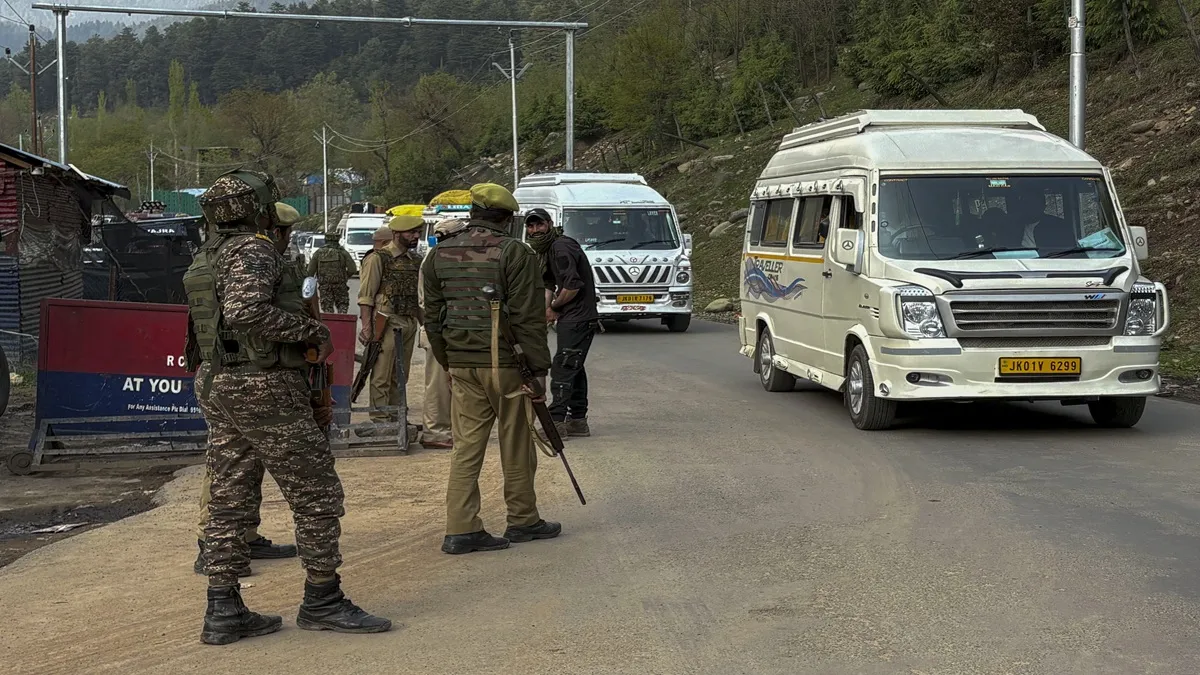
Officials described the intelligence inputs as “credible and serious,” prompting renewed coordination between central intelligence agencies, army units, and local police networks. Enhanced aerial surveillance, drone counter-measures, and radar monitoring systems have already been activated across sensitive zones in the Valley and Jammu sector.
While officials have not named specific targets, the report underscores the need for “maximum operational readiness” in anticipation of a fresh surge in cross-border terrorism orchestrated by Pakistan-backed organisations.
