
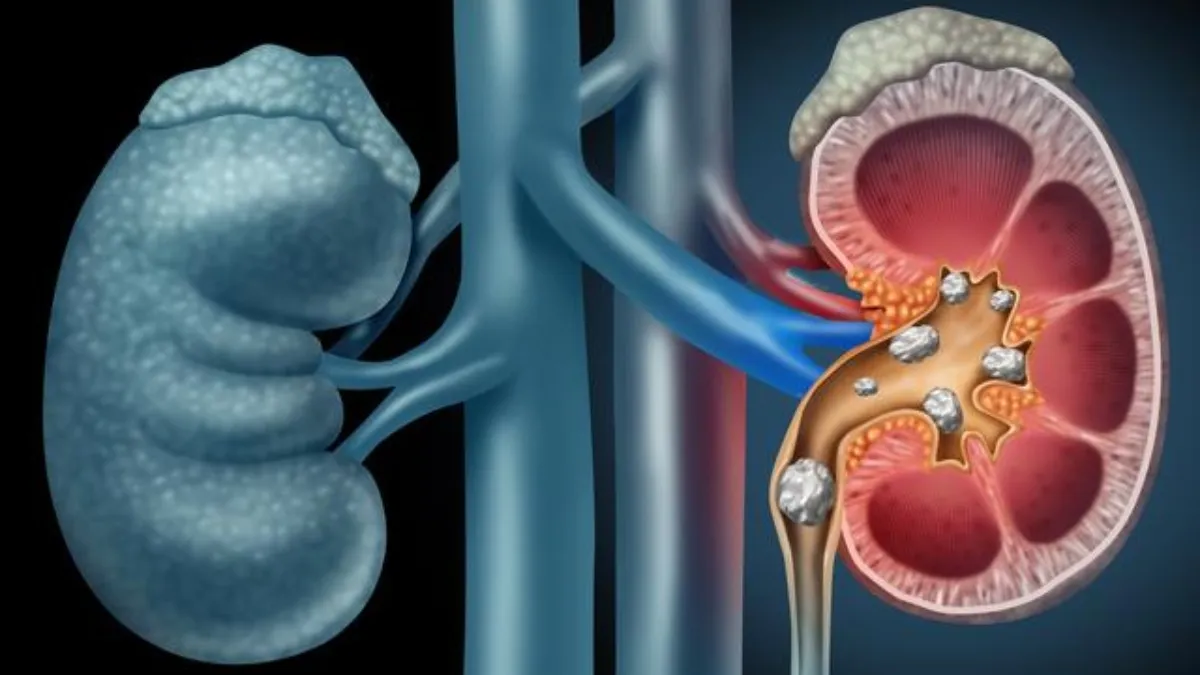
Kidney stones are hard mineral and salt deposits that tend to form inside the kidneys. They develop when substances like calcium, oxalate, and uric acid get concentrated in the urine, forming crystals that stick together and take the shape of a stone. Shockingly, these stones can be of different sizes, from tiny grains to larger, more painful formations. It is essential to know about the factors causing kidney stones.
Causes of Kidney Stones
Not drinking enough water leads to concentrated urine, raising the risk of stone formation because of dehydration. High consumption of oxalate-rich foods (such as spinach, nuts, and chocolate), excessive salt, and high-protein diets can lead to kidney stones. Even with family history, conditions such as hyperparathyroidism, obesity, urinary tract infections (UTIs), and certain medications may make one susceptible to kidney stones.
Symptoms of Kidney Stones
- Intense pain in the lower back, abdomen, or groin
- Burning sensation or pain while urinating
- Blood in the urine (pink, red, or brown color)
- Frequent urge to urinate
- Nausea and vomiting
- Fever and chills if an infection develops
These are some of the signs and symptoms of kidney stones that shouldn’t be ignored. Kidney stones do not lead to any kidney disease. However, if they do not pass and block your urinary tract, then there can be permanent damage to the kidneys.
Treatment of Kidney Stones
Small stones can pass naturally with increased fluid intake and pain relievers. Certain medications can help relax the ureter muscles, making it easier for the stone to pass. Shock Wave Lithotripsy (SWL) uses sound waves to break larger stones into smaller pieces, making them easier to pass. Even a ureteroscopy can be done by passing a thin tube inserted into the urinary tract to remove or break down stones. Moreover, in severe cases, a surgical procedure may be needed to remove large or obstructive stones. It is imperative to follow the instructions given by the expert to be able to manage kidney stones.
Keep these vital tips in mind
- Hydration is key, so drink at least 8-10 glasses of water daily.
- Opt for a balanced diet and avoid foods high in sodium.
- It is also essential to monitor the calcium intake with the help of an expert.
- Regular exercise helps maintain a healthy metabolism and reduces stone formation risk.
- Stay vigilant when it comes to your kidney health instead of neglecting it.
ALSO READ: No Smoking Day 2025: Cigarettes not only harm lungs but also these 5 parts of the body
