
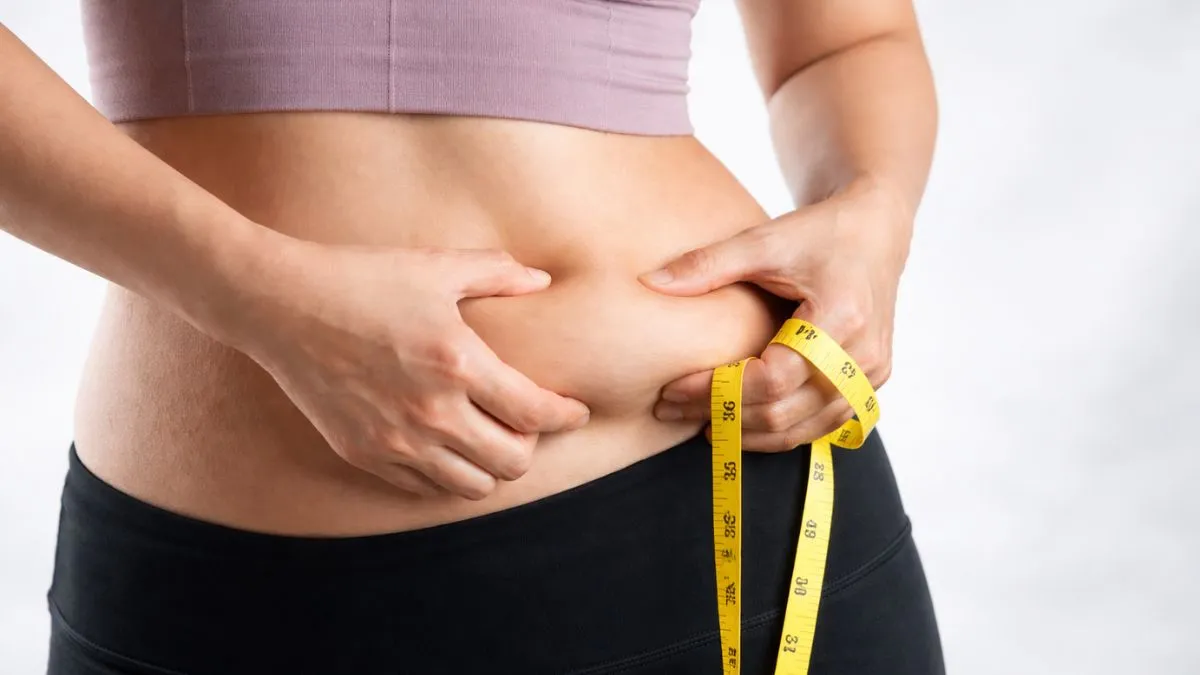
World Obesity Day: It often begins quietly. The jeans fit a little tighter. The waistline feels softer. And the common refrain follows: “My metabolism has slowed down.” But experts say your metabolism has not suddenly betrayed you. The real shift is deeper, in muscle, hormones and daily habits. And for Indians, who are already predisposed to abdominal fat accumulation, the conversation is even more urgent.
Here is what the science and global experts are actually saying.
It is not just age; it is muscle loss
Dr Jess Bilger, a board-certified doctorate nurse practitioner and functional medicine expert, recently addressed this in a video: “If you are over 30 and suddenly gaining weight, your metabolism did not betray you. But something else did.” What changes after 30 is muscle mass. Research published in Current Opinion in Clinical Nutrition and Metabolic Care shows adults lose around 3 to 8 per cent of muscle mass per decade after 30 unless actively preserved. Less muscle means fewer mitochondria, the tiny energy-producing units inside cells. Fewer mitochondria mean fewer calories burned at rest. So even if your diet has not changed, your body’s baseline calorie burn may have.
For women, hormonal shifts make this process more pronounced.
Why Indians are more vulnerable to belly fat
Several Indian population studies, including findings published in the Indian Journal of Endocrinology and Metabolism, highlight what researchers call the thin-fat Indian phenotype. This means Indians may accumulate visceral fat, fat around internal organs, even at lower body weights.
The ICMR INDIAB study has also reported rising abdominal obesity across urban and semi-urban India, linking it strongly to diabetes and cardiovascular disease risk. In simple terms, for Indians, waist circumference is often a more important marker than total body weight.
Stress and sleep are invisible accelerators
Dr Bilger points to three accelerators:
- Chronic stress
- Sleep deprivation
- Ultra-processed foods
Science supports this. Elevated cortisol, the stress hormone, encourages abdominal fat storage. A study in the journal Obesity found that higher cortisol levels are associated specifically with increased central fat. Meanwhile, poor sleep disrupts insulin sensitivity and appetite hormones such as leptin and ghrelin, increasing cravings and fat storage, particularly in the abdominal region.
In a country where long commutes, erratic work hours and screen-heavy lifestyles are common, this matters.
Protein, strength training and mitochondria
Dr Bilger suggests a practical reset:
- Eat enough bioavailable protein, around 1 gram per pound of ideal body weight, though individual needs vary
- Strength train at least three times a week
- Support mitochondrial health with healthy fats and minerals such as magnesium
- Maintain stable blood sugar through balanced, lower refined carb meals
Research from the American College of Sports Medicine confirms that resistance training helps preserve lean mass and boosts resting metabolic rate. Protein intake has also been shown to improve satiety and muscle maintenance, both crucial after 30. For Indians, whose traditional diets can be carb-heavy, ensuring adequate protein becomes even more important.
The bigger picture is metabolic health
Visceral belly fat is metabolically active. It releases inflammatory chemicals and increases the risk for:
- Type 2 diabetes
- Fatty liver disease
- Heart disease
The World Health Organization and Indian health authorities consistently flag abdominal obesity as a key risk factor in South Asia. So this is not about aesthetics. It is about long-term healthspan.
Your metabolism is not broken. It is responsive. Build muscle. Sleep better. Manage stress. Prioritise protein. Move consistently. The body after 30 is not working against you. It simply demands smarter inputs. And for Indians especially, understanding the science behind belly fat could be the difference between chasing weight loss trends and building metabolic resilience for decades to come.
Also read: Is our weight causing hidden inflammation? How obesity quietly triggers major diseases
Disclaimer: Tips and suggestions mentioned in the article are for general information purposes only and should not be construed as professional medical advice. Always consult your doctor or a dietician before starting any fitness programme or making any changes to your diet.
