
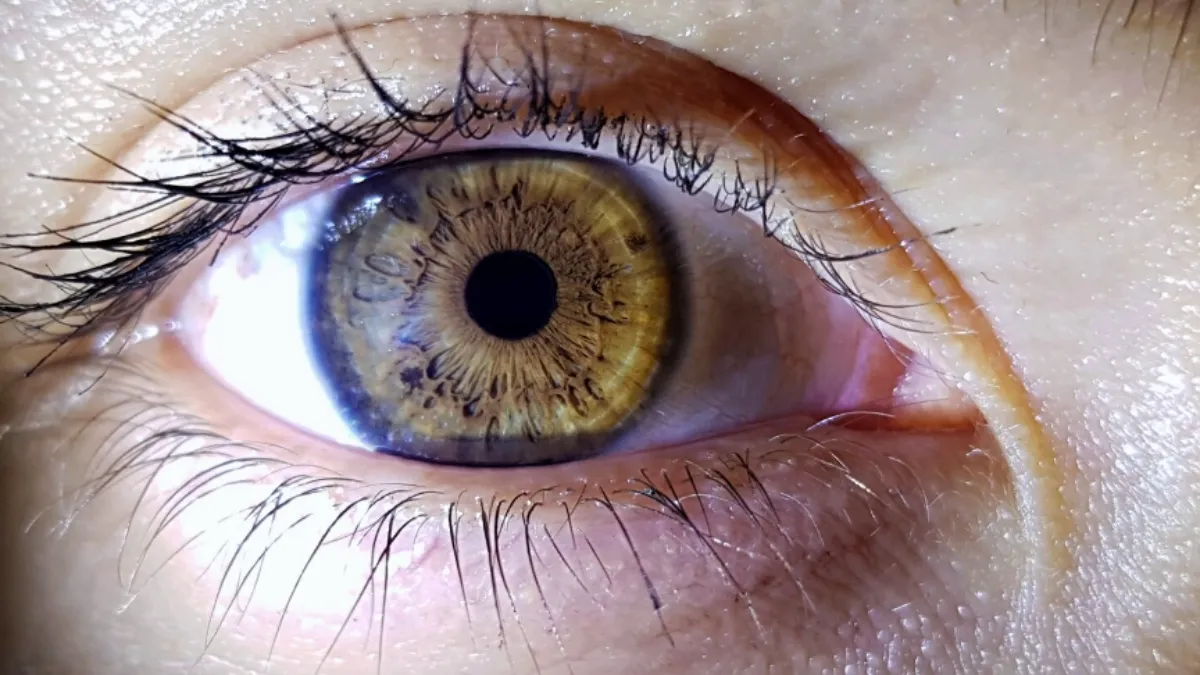
Normally, when we think of blindness, we tend to think of cataracts, glaucoma, or retinal diseases. There is another one, less spoken of but just as disabling, that starts with something as harmless as a bacterial infection. It is called trachoma, a preventable, but leading cause, of infectious blindness throughout the world today.
What is Trachoma?
According to Dr Sudipto Pakrasi, Chairman, Ophthalmology, Medanta, Gurugram, trachoma is an infection of the eye by the organism Chlamydia trachomatis. It is transferred directly from the eye or from nasal discharge of an infected individual, eventually through their hands, clothing, towels, or flies contaminated with infected secretions. Such infections are most prevalent in populations with restricted sanitation, restricted access to potable water, and dense living conditions.
The infection primarily affects the conjunctiva — the thin, transparent membrane covering the white part of the eye and the inside of the eyelids. While initial stages may look superficial, an ongoing or untreated infection can lead to irreversible permanent damage.
How a Person Develops Blindness due to Trachoma
The problem with trachoma is that it is a recurring condition that leads to repeated bouts of infection that lead to scarring of the interior surface of the eyelid. Eyelid scarring can ultimately lead to the eyelid turning inward (trichiasis). When the eyelid turns inward, the eyelashes rub on the cornea (clear front part of the eye), leading to constant irritation, pain, and corneal damage.
When the cornea forms scarring and goes cloudy, partial or total blindness results. This can happen over the course of years, which is why trachoma tends to affect older people who suffered repeated infections as children.
Symptoms and Signs to Watch For
In the initial stages, an individual can have symptoms similar to usual eye infections:
- Red eyes and eye irritation
- Eye discharge
- Swollen eyelids
- Sensitivity to light
- Discomfort in the eyes
As the disease progresses, other symptoms may occur.
- Turning of the eyelids inward (trichiasis)
- Visible scarring of the inner eyelid
- Blurred vision
- Progressive blindness
Who might be affected?
Trachoma is more prevalent in rural, poor communities in parts of Africa, Asia, the Middle East and Latin America. Children are particularly more vulnerable since they tend to be in close contact with others more frequently and have poorer hygiene practices. Women also stand at greater risk because they come in close contact with children.
Prevention and Treatment
The plus point is that trachoma can be prevented and cured, particularly in its early stages. The World Health Organization (WHO) suggests the SAFE approach to prevent blindness due to trichiasis because of trachoma:
- Surgery in later stages (to fix trichiasis)
- Antibiotics to eliminate their infection (azithromycin is most often prescribed).
- Face cleanliness to minimise the possibility of transmission.
- Environmental health improvement, such as improved sanitation and provision of a clean water supply in the community.
- With antibiotics, early treatment can halt the infection and also avoid long-term damage. Surgery also corrects eyelid deformities while avoiding further damage to the cornea in severe cases.
Trachoma is a reminder that even the “simplest” bacterial infection has the power to change lives. With timely intervention, improved hygiene, and public health campaigns, trachoma can be eradicated. Global or local action can stop blindness due to trachoma and make sure no one goes blind from an entirely preventable disease.
ALSO READ: Can you spot the first signs of glaucoma? Catch it before it’s too late
