
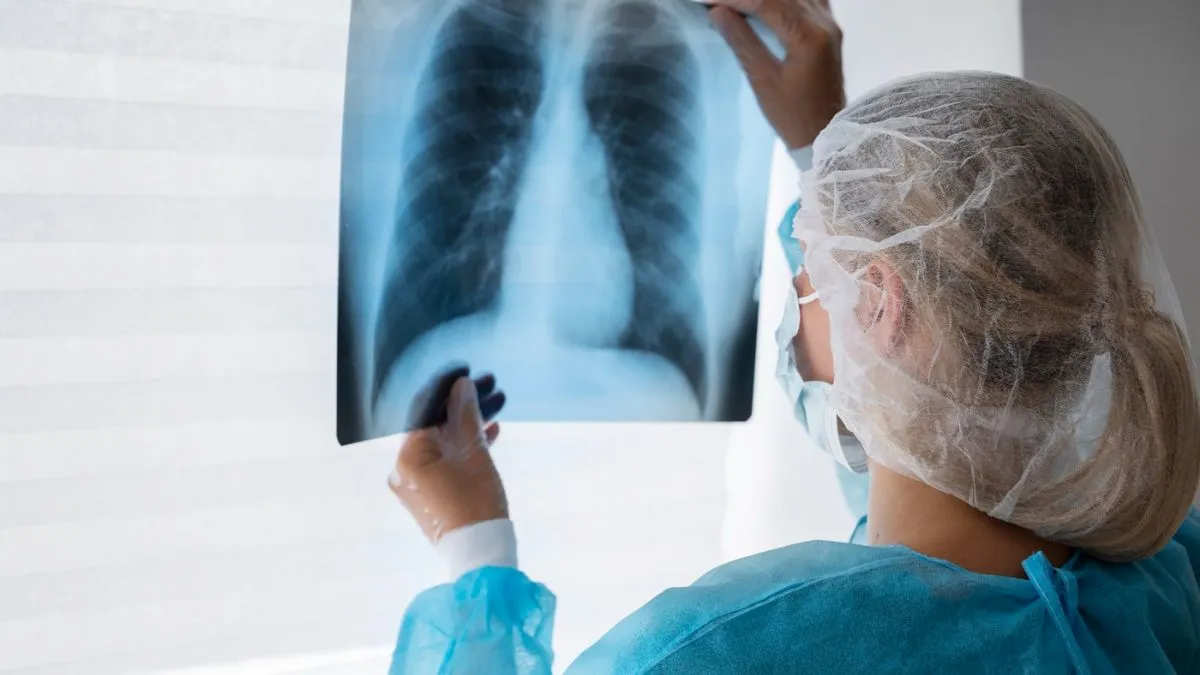
Tuberculosis, also known as TB, is an illness that affects the lungs and is caused by a type of bacteria called Mycobacterium tuberculosis complex. TB can spread when a person with the illness coughs, sneezes, or sings.
A TB test can help in the detection of the illness, and one can seek treatment for the same. Depending on the results of the test, your doctor might suggest treatment for a certain duration. But first, understand what the symptoms of TB are, its test types, and more.
TB symptoms to watch out for
Common symptoms of TB include a cough lasting more than two weeks, coughing up blood, unexplained fever, night sweats, fatigue, and weight loss. Some patients may also have chest pain or difficulty breathing. TB outside the lungs can cause joint pain, abdominal issues, or swollen lymph nodes.
What is a TB test, and why is it done?
A TB test is done to detect the presence of Mycobacterium tuberculosis, the bacteria causing tuberculosis. Since TB can affect the lungs and other organs, early diagnosis is important to prevent complications and stop its spread. TB tests help doctors confirm infection, check disease activity, and choose the right treatment.
If you’re wondering about the root causes of TB and why early testing matters, here’s a detailed explainer.
Sputum test for TB
The sputum test is a widely used method to diagnose TB, especially pulmonary TB. Patients are asked to provide a sample of mucous (sputum) coughed up from the lungs. The sample is then examined under a microscope or tested in a lab to detect TB bacteria.
Blood test for TB
Blood tests for TB assess the immune system’s response to TB bacteria. These tests, such as IGRA or TB Gold, help detect latent or active infection without the need for multiple visits. They are useful when skin tests may give false results, like in BCG-vaccinated individuals.
Mantoux test for TB (Skin test)
The Mantoux test, also known as the tuberculin skin test, involves injecting a small amount of purified protein derivative (PPD) into the skin of the forearm. After 48–72 hours, a healthcare worker checks for swelling or redness at the injection site. A positive result indicates TB exposure, though it cannot distinguish between latent and active infection.
CBNAAT test for TB (GeneXpert)
The CBNAAT (Cartridge-Based Nucleic Acid Amplification Test), also known as GeneXpert, is a highly advanced test for TB. It can detect TB bacteria and resistance to rifampicin, a key TB drug, within just a few hours.
IGRA test for TB (Interferon Gamma Release Assay)
The IGRA test measures the immune system’s release of interferon-gamma in response to TB bacteria. Unlike the Mantoux test, it requires only a single blood sample and eliminates false positives caused by prior BCG vaccination.
TB Gold test (Quantiferon)
The Quantiferon-TB Gold test is a type of IGRA blood test used to identify TB infection. It evaluates the immune system’s reaction to TB-specific antigens. This test is highly accurate, requires only one visit and is unaffected by previous BCG vaccination.
NAAT test for TB
The Nucleic Acid Amplification Test (NAAT) detects TB bacteria by identifying their genetic material in a patient’s sample. It provides rapid and reliable results compared to traditional microscopy. NAAT is useful for diagnosing both pulmonary and extrapulmonary TB and is particularly important for early detection.
Confirmatory test for TB diagnosis
No single test can diagnose TB in all cases, so doctors often rely on a combination of tests for confirmation. Sputum smear microscopy, CBNAAT, culture tests and blood-based tests like IGRA or Quantiferon are used together for better accuracy. Culture remains the gold standard for confirming TB, though it takes longer.
Which TB test is most accurate?
The accuracy of TB tests depends on the type of infection and patient history. While sputum culture is considered the gold standard for detecting active TB, it is time-consuming. CBNAAT (GeneXpert) is highly accurate and faster, also detecting drug resistance. For latent TB, blood tests like IGRA and Quantiferon give you more precise results than the Mantoux test.
How to prepare for a TB test?
Preparing for a TB test usually requires little effort. For sputum tests, patients may be advised to collect an early-morning sample. Blood and skin tests don’t require fasting or special preparation, though informing your doctor about your medical history and vaccinations helps ensure accurate interpretation.
Lifestyle and nutrition also matter. Here’s a guide to foods that help reduce TB risk.
