
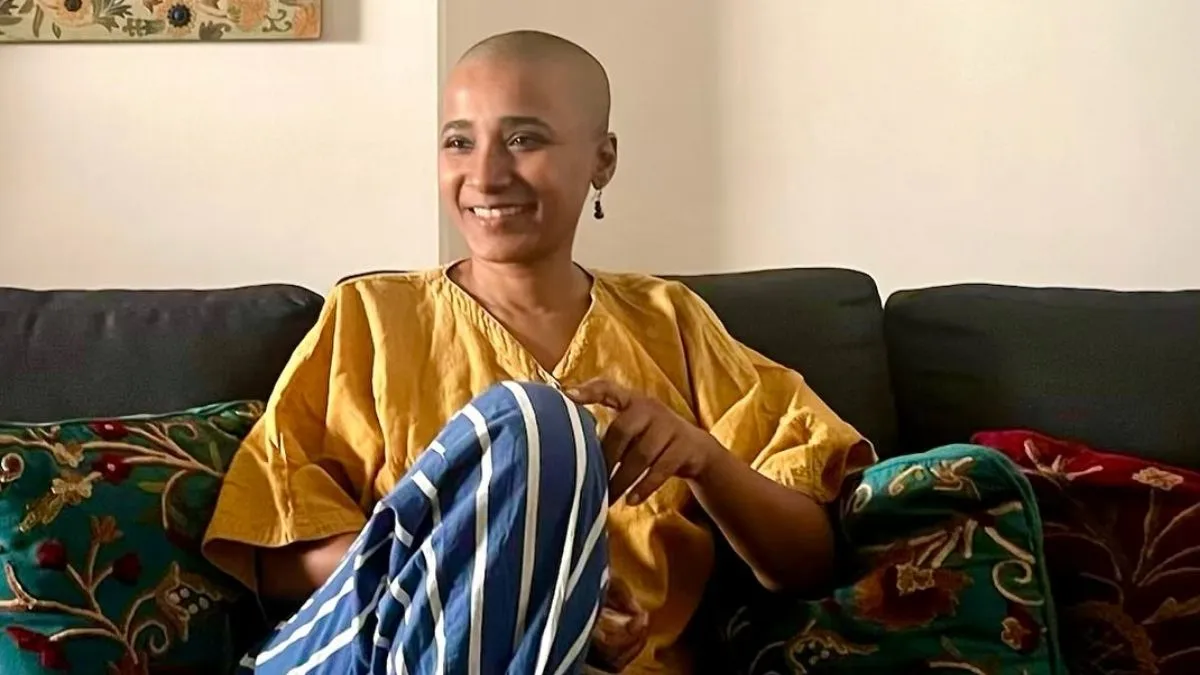
Actor-filmmaker Tannishtha Chatterjee has shared that she’s been diagnosed with stage-4 oligometastatic cancer. This is a form of advanced cancer where the disease has spread to a limited number of sites. The revelation has put a complex term into public conversation, but also a sliver of hope: this pattern of spread can be more amenable to targeted treatment than widely metastatic disease.
After Tannishtha Chatterjee's diagnosis, let's talk about what “oligometastatic” means. It is important to understand early warning signs to watch for, who’s at risk, and how doctors treat it today. Take a look:
What does “oligometastatic cancer” actually mean?
Clinically, oligometastatic disease (OMD) is an intermediate state between localised cancer and widespread metastasis, typically involving ~1–5 metastatic lesions that are potentially treatable with local therapies. This concept matters because it opens the door to aggressive, potentially life-prolonging treatment aimed at all known sites of disease.
Why doctors treat oligometastatic cancer differently
Because the metastatic burden is limited, teams can add local ablative therapy (surgery or focused, high-precision radiation such as SBRT) to standard systemic care. In carefully selected patients, this “consolidation” can delay progression and sometimes deliver long treatment-free intervals.
- Systemic therapy: chemo, targeted drugs, endocrine therapy, or immunotherapy, depending on the tumour type and biomarkers.
- education.nccn.org
- Local therapy to all visible sites: surgery or SBRT to each metastasis (and often to the primary tumour).
- Close surveillance: high-quality imaging to catch new lesions early for repeat local control where appropriate.
Early signs and symptoms to watch for
Symptoms depend on where the limited spread is:
- Lung: persistent cough, breathlessness, chest discomfort.
- Bone: focal pain that worsens at night or on weight-bearing.
- Brain: headaches, weakness, visual or balance changes.
- General: unexplained fatigue, weight loss, low appetite.
In oligometastatic programmes, centres like MD Anderson and UChicago Medicine urge patients with persistent, unexplained symptoms to seek evaluation early, because timely imaging can change eligibility for local therapy.
Who is most at risk of developing oligometastatic cancer?
There’s no single “oligometastatic risk factor”; rather, it reflects tumour biology and timing. OMD is most commonly described in lung, colorectal, prostate, kidney and breast cancers, particularly when the overall disease burden is low and lesions appear later rather than immediately at diagnosis.
Other influences include:
- Aggressiveness of the primary tumour and mutations/biomarkers.
- Host factors (immune status, comorbidities).
- Imaging quality and follow-up determine how early a limited spread is found.
How oncologists treat it | Surgery, radiation and targeted drugs
- Local ablative therapy to every lesion
- SBRT (stereotactic body radiotherapy) or surgery/metastasectomy to each metastatic site; often combined with treatment to the primary tumour. Multiple studies and reviews support improved progression-free survival in selected patients.
- Systemic precision therapy
- Targeted drugs, immunotherapy, and chemo tailored by tumour markers (e.g., ER/PR/HER2 in breast; EGFR/ALK in lung; MSI/PD-L1, etc.). Indian centres increasingly deliver precision oncology with molecular profiling.
- Combined, stage-adapted approach
- Multidisciplinary boards now consider curative-intent management for some oligometastatic cases (treat all known disease + systemic therapy + close surveillance). Emerging Indian data and global reviews echo this shift.
A stage-4 diagnosis is daunting, but oligometastatic disease is a clinically meaningful nuance. With sharper imaging, targeted drugs and focused radiation or surgery, oncologists can sometimes treat all visible disease and hold cancer at bay for longer — occasionally, for years. The takeaway is practical and hopeful: know your subtype, treat what you can see, and personalise the rest.
