
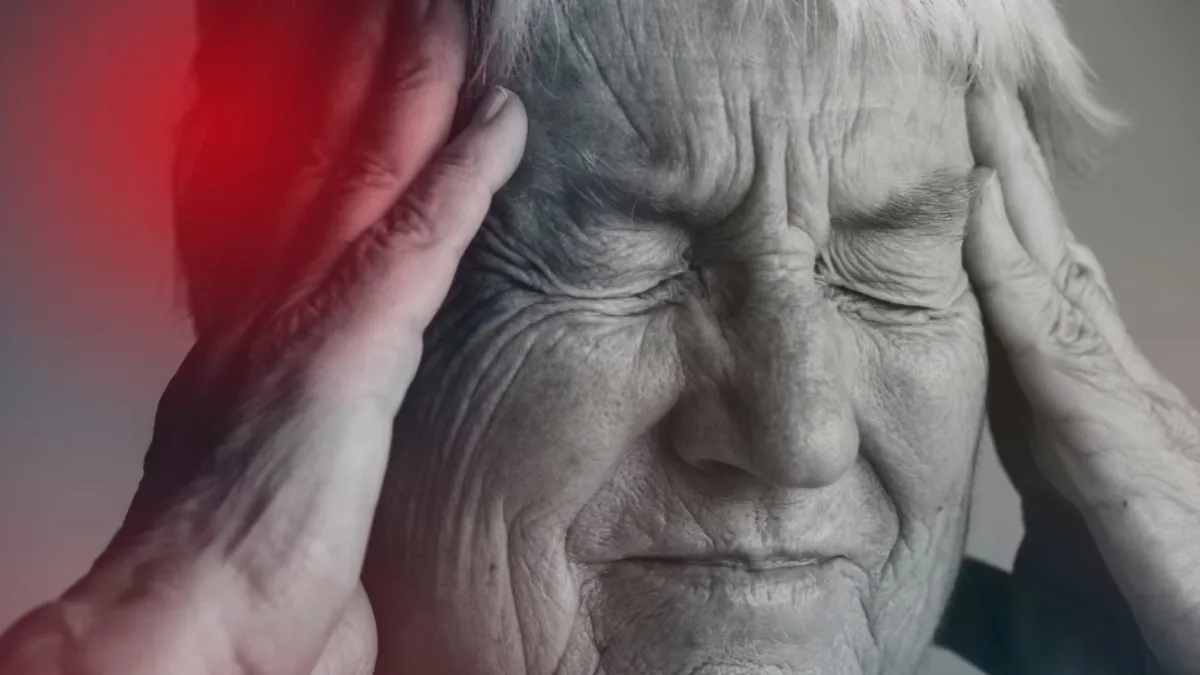
It frequently starts with something minor. A jiff of dizziness. A garbled word. A floppy smile. Many shrug it off, saying, “I’m just tired” or “It’ll pass.”
But these small moments could be your brain asking for help? This is how strokes start: quietly, suddenly, and many times ignored. That’s the reason we need to separate myths from facts before it's too late.
Myth 1: Stroke only happens to older individuals
Fact: Even if older adults are at higher risk, strokes happen at any age; in your 20s, 30s, or 40s, as per Dr Pradeep Mahajan, Regenerative Medicine Researcher & Founder of the hospital.
Unhealthy lifestyles, stress, smoking, alcohol, high blood pressure, and diabetes put younger people at risk too.
Myth 2: A stroke is similar to a heart attack
Fact: A stroke is a brain attack, not a heart attack.
It happens when blood flow to the brain is blocked or when a blood vessel in the brain bursts, cutting off oxygen to brain cells due to a lack of blood supply.
Myth 3: You can wait and see if symptoms go away
Fact: Do not wait. After a stroke, every minute means more damage to the brain.
If someone shows symptoms: face drooping, arm weakness, slurred speech, call emergency help immediately. Acting FAST can save a life.
Myth 4: Strokes are not treatable
Fact: Strokes can be treated if started early.
Busting cloth medicines and procedures can restore blood flow if given within a few hours. For longer and lifelong prevention, regenerative medicine would help recover faster. Quick action can reduce disability and even prevent death.
Myth 5: Once you have a stroke, recovery isn’t possible
Fact: Recovery is possible, especially with the right rehabilitation.
With physiotherapy, speech therapy, and modern regenerative treatments like those at StemRx Hospital, patients often regain strength, speech, and mobility over time.
Myth 6: Strokes happen suddenly without warning
Fact: Sometimes, the body gives early warnings called mini-strokes (or TIAs/ Transient Ischemic Attacks).
Symptoms may disappear in minutes, but they’re a serious sign that a major stroke could follow. Always seek medical help right away.
Myth 7: Stroke recovery is only about medicine
Fact: Recovery is a combination of medical treatment, physiotherapy, brain rehabilitation, and healthy lifestyle changes; plus, emotional support from family and caregivers.
Myth 8: There’s nothing you can do to prevent a stroke
Fact: Up to 80% of strokes are preventable!
Managing blood pressure, diabetes, cholesterol, quitting smoking, eating healthy, exercising, and reducing stress all go a long way in keeping your brain healthy.
The advanced stem cell and regenerative therapies like quantum energy medicine, rehab, MDI and many more, are being used to repair and rejuvenate brain tissue damaged by stroke.
These treatments aim to:
Reduce inflammation and promote healing
Improve nerve communication and mobility
Accelerate recovery when combined with physiotherapy and neuro-rehabilitation
Know the facts. Act fast. Never ignore the signs. A stroke is a medical emergency, but with awareness and timely care, it doesn’t have to be a life sentence.
ALSO READ: Stroke myths vs facts: What people still get wrong, according to a neurologist
