
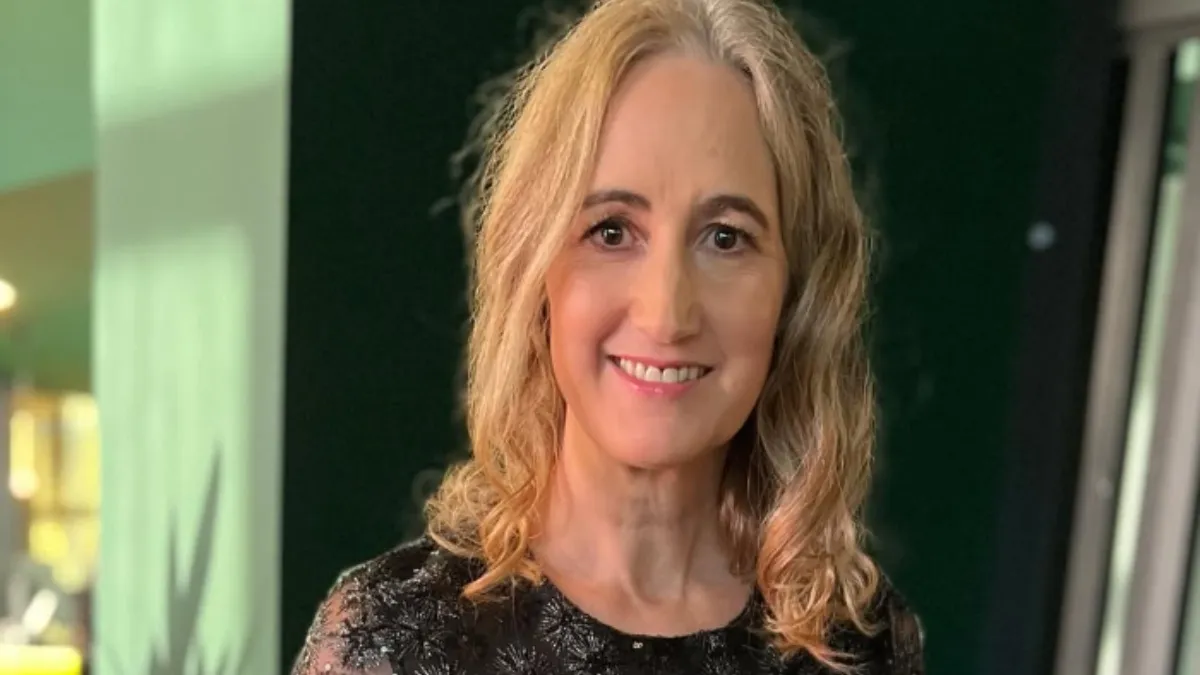
Sophie Kinsella, the bestselling author of the “Shopaholic” series of novels, has died at the age of 55, her family announced Wednesday, 18 months after she revealed she had an aggressive form of brain cancer named Glioblastoma.
Kinsella enjoyed extraordinary success, selling more than 50 million copies of her books in 60 countries, with translations into more than 40 languages.
What is Glioblastoma?
Glioblastoma is simply the most aggressive form of brain cancer, or cancer in general, which often develops silently, with a sudden onset of symptoms. Despite decades of ongoing research, there is still no cure, and most patients have less than two years to live with the best of treatment, which can be reduced to a few months or an extremely poor quality of life or both if timely diagnosis and appropriate treatment are not done.
Fortunately, Glioblastoma has no genetic predisposition, which means it is not ‘genetic’ and siblings or children of a patient are not at a higher risk of getting the disease.
Surgery (Craniotomy and maximal safe resection) followed by Radiotherapy and oral chemotherapy (Temozolomide) is the standard of care. Diagnosis is done based on the findings of a Multiparametric MRI Brain with contrast.
Although this is an extremely rare disease, this is the most common primary brain malignancy in adults. The following are some of the signs that should never be ignored
Persistent, Unexplained Headaches
While headaches are common, those linked to glioblastoma tend to be progressive and worsening over time. They may be more intense in the morning or accompanied by nausea, vomiting, or visual disturbances. Any new headache pattern—particularly if it persists for weeks or changes in nature—should prompt medical attention. A headache associated with one or more of the following signs should be even more alarming.
Seizures in Adults Without a Prior History
One of the earliest and most alarming symptoms of glioblastoma can be a first-time seizure. Sudden episodes of jerking movements, loss of consciousness, blank staring, or unusual sensory experiences (like tasting metal or smelling something strange) must never be ignored. A first seizure in adulthood is a medical emergency.
Progressive Neurological Deficits
Because glioblastoma arises from glial cells that support the brain, its symptoms depend on the tumour’s location. Some red-flag neurological changes include:
- Weakness or numbness in an arm or leg
- Difficulty speaking, slurred speech, or finding words
- Visual disturbances like blurred or double vision
- Problems with balance, walking, or coordination
These symptoms often worsen gradually and should not be dismissed as fatigue or ageing.
Cognitive and Personality Changes
Subtle changes in behaviour or mood may be early clues. Loved ones might notice increasing forgetfulness, difficulty concentrating, sudden irritability, apathy, or impulsive behaviour. When these shifts occur without explanation, a neurological cause—including a tumour—should be considered.
Persistent Nausea and Vomiting
Pressure-building inside the skull can trigger recurrent nausea or vomiting unrelated to gastrointestinal illness. If these symptoms appear alongside headaches or neurological changes, they warrant urgent evaluation.
Unexplained Fatigue and Sleep Changes
While common in many conditions, profound and persistent fatigue—especially when paired with other symptoms—can be significant. Sleep disturbances such as sudden excessive sleeping or insomnia may also accompany brain tumours.
Why Early Attention Matters
Glioblastoma grows rapidly, making early detection difficult but invaluable. While these symptoms do not always indicate cancer, they represent meaningful signals from the body. Prompt brain imaging and neurological evaluation can lead to early diagnosis, timely treatment, and improved patient outcomes.
Recognising the signs of glioblastoma is not about causing alarm—it is about encouraging vigilance. When headaches change, behaviour shifts unexpectedly, or neurological symptoms arise without a clear cause, seeking prompt medical advice can make all the difference.
Disclaimer: Tips and suggestions mentioned in the article are for general information purposes only and should not be construed as professional medical advice. Always consult your doctor or a dietician before starting any fitness programme or making any changes to your diet.
ALSO READ: ADHD prescriptions shoot up 157 percent; adults and women show biggest rise: Study
