
Most people assume that once a hernia has been repaired, the problem is gone for good. So when it comes back, the reaction is usually the same. Confusion. Frustration. And one question.
"Doctor, I had this surgery done before. Why has it come back?"
It is a concern surgeons hear all the time. According to Dr. D. V. Ramakrishna, Sr. Consultant Surgical Gastroenterology, Bariatric & Laparoscopic Surgery, Robotic Surgeon, KIMS Kondapur, hernia recurrence is not necessarily a sign that the surgery failed. In many cases, it is the result of several factors working together, including delayed treatment, underlying health conditions, lifestyle habits and how the body heals after surgery.
Why hernias return
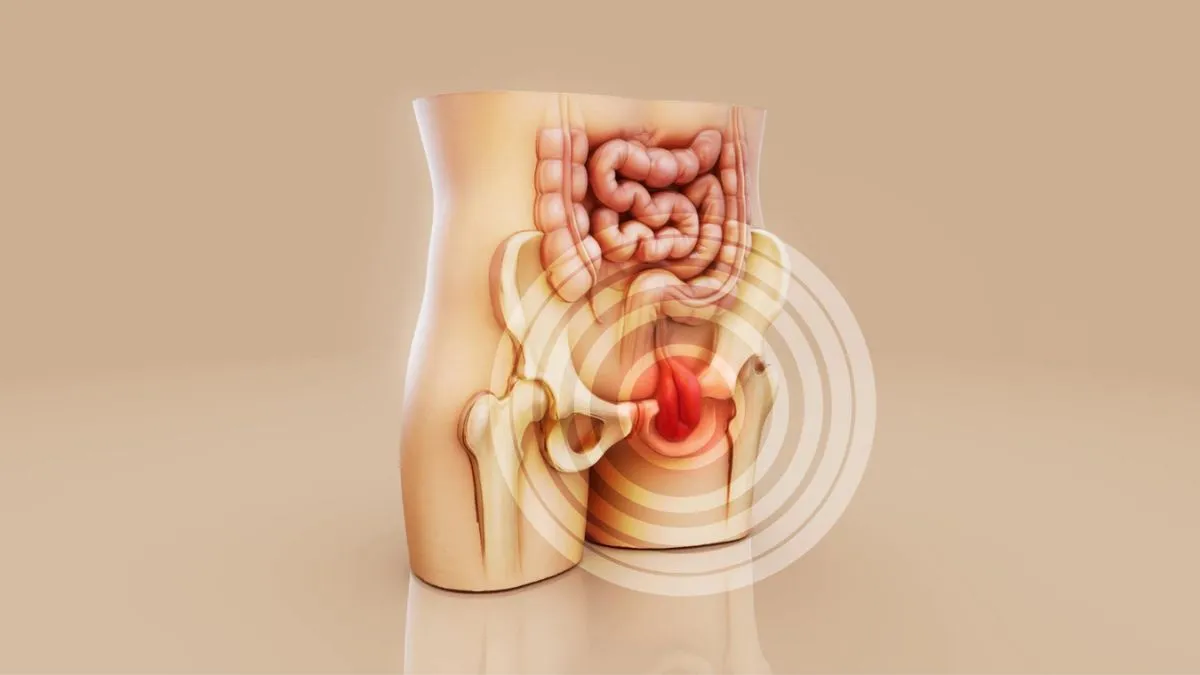
A hernia develops when an organ or tissue pushes through a weak area in the abdominal wall. Surgery aims to repair that weakness, usually with the help of a mesh that strengthens the affected area.
But surgery is not always the final chapter.
Dr. Ramakrishna says hernia recurrence rates worldwide range from 1% to 15%. In India, the numbers can sometimes be higher because many patients wait too long before seeking medical attention and often arrive with larger, more complicated hernias.
That delay matters.
A small hernia is generally easier to fix. Leave it untreated for months or years and the defect can become bigger, making the repair more difficult and increasing the chances of recurrence. According to the doctor, delayed diagnosis remains one of the biggest reasons why hernias return.
Why the repair can fail
The way a hernia is repaired plays a major role in how well it holds up over time.
Mesh placement. Mesh size. Fixation. All of it matters.
Dr. Ramakrishna explains that if the mesh does not adequately cover the area beyond the defect, the repair may eventually fail. The position of the mesh within the tissue layers can also influence the outcome.
This is why surgical planning is so important. Choosing the right technique and approach from the outset can significantly reduce the risk of recurrence later on.
When the body works against the repair
The operation matters. A lot.
But it is only part of the story.
"Surgery alone cannot guarantee a permanent solution," says Dr. Ramakrishna.
Once the procedure is over, several factors can continue placing pressure on the repaired area. Obesity increases strain on the abdominal wall. Chronic cough, which is common among smokers and people with lung conditions, repeatedly stresses healing tissue. Uncontrolled diabetes can slow healing and affect recovery.
Then come the everyday habits.
Straining during bowel movements because of constipation. Returning to heavy lifting too early. Ignoring recovery instructions. Small things on paper. Not always small in reality.
Over time, they can weaken the repair and increase the likelihood of the hernia coming back.
Recurrent hernias are more complex
A recurring hernia is rarely just a repeat of the first problem.
In fact, it is often far more complicated.
Scar tissue from previous surgery can change the anatomy. Earlier mesh placements may make it harder for surgeons to identify natural tissue planes during another procedure.
That is why recurrent hernias often require detailed imaging, careful planning and specialised expertise in abdominal wall reconstruction. According to Dr. Ramakrishna, repeat surgery cannot be approached in exactly the same way as the original repair.
Where robotic surgery makes a difference
Technology has changed the way many hernias are treated.
For selected patients, robotic-assisted surgery offers additional options, particularly in more complex cases.
Dr. Ramakrishna explains that robotic systems such as the da Vinci platform provide enhanced 3D visualisation and magnification. This allows surgeons to see intricate anatomy more clearly and perform delicate dissection, mesh placement and suturing with greater precision.
In some cases, surgeons may be able to rely more on suturing techniques and less on tackers, which have been associated with post-operative discomfort in certain patients.
For larger or recurrent hernias, robotic-assisted approaches may also be associated with smaller incisions, fewer wound-related complications and faster recovery compared with traditional open surgery.
Still, the doctor stresses one important point.
"Technology supports surgical expertise. It does not replace it," he says.
What patients should do
The first step is simple. Do not ignore a hernia.
Dr. Ramakrishna advises patients to seek medical attention early rather than waiting for symptoms to worsen. Managing conditions such as obesity, diabetes and chronic cough can also improve long-term outcomes. Quitting smoking before surgery may help the body heal more effectively.
And once surgery is done, recovery should be taken seriously.
Avoid strenuous activities. Follow medical advice carefully. Give the body time to heal.
As Dr. Ramakrishna puts it, "A hernia repair does not end in the operating room. Long-term success depends just as much on what patients do after surgery as what surgeons do during it."
Disclaimer: Tips and suggestions mentioned in the article are for general information purposes only and should not be construed as professional medical advice.
ALSO READ: Hernia: Know types, causes, treatment options and more about the painful condition
