
Jharkhand Education Minister Ramdas Soren, suffered brain haemorrhage after he fell in the bathroom in his residence early on Saturday. He was then airlifted to Delhi and admitted to the Indraprastha Apollo Hospitals in the national capital. The 62-year-old JMM leader is on life support and a multidisciplinary team of senior specialists are closely monitoring his condition.
In a statement from the hospital, that was shared by JMM said, "He is currently in a critical condition and on life support. A multidisciplinary team of senior specialists is closely monitoring his condition and providing intensive medical care."
Chief Minister Hemant Soren visited the hospital in Delhi and spoke to the attending doctors, enquiring about his condition. The CM took to X (formerly Twitter) and wrote, "Respected Ramdas Da has been a leading warrior of the Jharkhand movement. Through struggle, he has always overcome every challenge, and this time too, he will emerge victorious. May Marang Buru grant strength and courage to him."
Jharkhand Health Minister Irfan Ansari said, "Ramdas Soren's health has suddenly deteriorated. He fell in the bathroom, which resulted in a severe brain injury and a blood clot. I am constantly in touch with his family and monitoring his condition."
What is a brain haemorrhage?
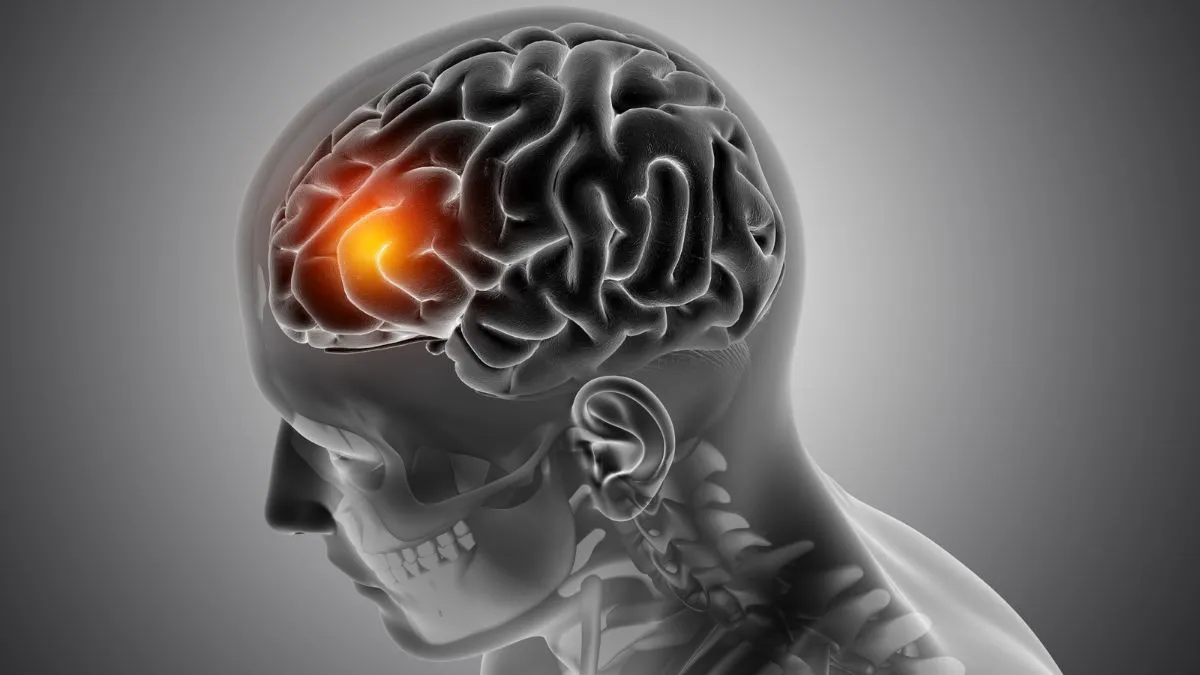
Brain haemorrhage, also known as brain bleed, is a type of stroke, which causes bleeding in your head. Your brain doesn't store oxygen and hence depends on blood vessels for the supply of oxygen. However, when there is a brain bleed, a blood vessel leaks blood or bursts. This causes blood to collect or pool in your skull and brain, which causes pressure against your brain and prevents oxygen and nutrients from reaching your brain.
A brain bleed or brain haemorrhageis a life-threatening medical emergency. It only takes three to four minutes for your brain cells to die if they don’t receive enough oxygen.
What are the symptoms of brain haemorrhage?
A sudden and severe headache is often the first sign of brain haemorrhage. This is followed by other symptoms. Check them here.
- Sudden tingling, weakness, numbness or paralysis of your face, arm or leg, particularly on one side of your body.
- Nausea and vomiting.
- Confusion.
- Dizziness.
- Slurred speech.
- Lack of energy, sleepiness.
- Difficulty swallowing.
- Vision loss.
- Stiff neck.
- Sensitivity to light.
- Loss of balance or coordination.
- Trouble breathing and abnormal heart rate.
- Seizures.
- Loss of consciousness and coma.
What are the causes of brain haemorrhage?
Brain haemorrhage is usually caused due to a leaky, broken or burst blood vessel. This can happen due to various reasons and these include:
- Head trauma (a fall, car accident, sports injury, etc.).
- Buildup of fatty deposits in your arteries (atherosclerosis).
- Blood clot.
- Weak spot in a blood vessel wall (cerebral aneurysm).
- Leak from abnormally formed connections between arteries and veins (arteriovenous malformation, or AVM).
- Buildup of protein within the artery walls of the brain (cerebral amyloid angiopathy).
- Brain tumour.
What are the complications of brain haemorrhage?
If the condition is not treated quickly, it can lead to permanent brain damage or even death. When your brain cells don't get oxygen, it gets damaged. Here are some ways how brain damage can affect an individual.
- Memory loss.
- Difficulty with swallowing, speech and communication.
- Coordination and movement challenges.
- Inability to move part of your body (paralysis).
- Numbness or weakness in part of your body.
- Vision loss.
- Personality changes and/or emotional changes.
What are the risk factors of brain haemorrhage?
There are several factors that can lead to brain haemorrhage and these include:
- High blood pressure (hypertension).
- Substance use disorder.
- Tobacco use.
- Bleeding conditions or conditions that need treatment with blood thinners (anticoagulants).
- Pregnancy and childbirth-related conditions.
Disclaimer: Tips and suggestions mentioned in the article are for general information purposes only and should not be construed as professional medical advice. Always consult your doctor or a dietician before starting any fitness programme or making any changes to your diet.
