
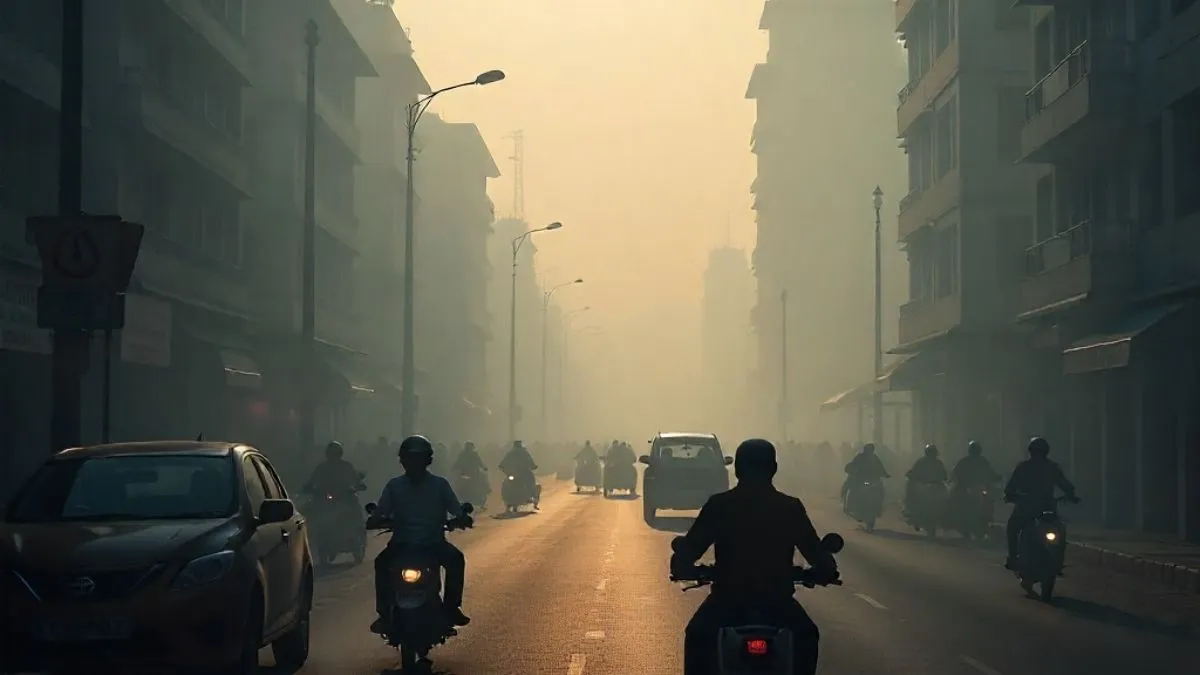
Every year as the smog rolls over North India, the air turns from crisp to choking. The haze isn’t just unpleasant to look at, it’s quietly reshaping our health. Doctors have long warned that Delhi’s “pollution season” brings a wave of respiratory illnesses, but the danger goes much deeper than a bad cough. This isn’t just about bad air; it’s about how that air weakens your body from the inside out.
From pneumonia outbreaks to worsening asthma, doctors say our lungs, and even our immunity, take a direct hit when smog levels spike. Experts like Dr Nana Kunjir, Consultant Pulmonologist and Intensivist at Sahyadri Super Speciality Hospital, Pune, and Dr Kinjal D Modi, Consultant Pulmonary Physician at P.D. Hinduja Hospital, Mumbai, explain why India’s grey skies are fast becoming a year-end health emergency.
When pollution paves the way for pneumonia
Smog is a cocktail of dangerous fine particles, PM2.5 and PM10, that are so small they slip deep into the lungs and even the bloodstream. According to Dr Kunjir, “Continuous inhalation of such air causes irritation and inflammation in the respiratory tract, reducing lung function and weakening the body’s natural defence system.” Once that happens, everyday bacteria and viruses find it much easier to attack, leading to infections like pneumonia.
The damage doesn’t stop there. The lungs’ natural cleaners, tiny hair-like cilia, get destroyed by pollutants. Without them, mucus and germs stay trapped in the airways, increasing the risk of severe infections. It’s why hospitals see a surge in pneumonia and bronchitis cases every November to January, especially among children, the elderly, and those with asthma or COPD.
How smog sabotages your immunity
Pollution doesn’t just irritate the lungs; it triggers chronic inflammation throughout the body. “Long-term exposure keeps your immune system in a constant state of stress,” Dr Kunjir explains. This low-level inflammation weakens the body’s ability to fight infections, making recovery slower and more complicated.
In short, polluted air doesn’t just make you sick, it keeps you sick longer.
The Mumbai story: Smog and the “winter wave” of illness
While Delhi has long been dubbed the pollution capital, Mumbai too experiences a worrying rise in respiratory illnesses during winter. “There is an apparent surge in the number of respiratory cases from October to March, particularly between November and January,” says Dr Modi. The city’s high PM10 and PM2.5 levels trigger inflammation in the bronchi and alveoli, the tiny air sacs responsible for oxygen exchange, setting off cycles of bronchitis and even community-acquired pneumonia.
Those already living with asthma, COPD, or bronchiectasis are hit hardest. “Patients experience rapid disease deterioration during smog formation,” Dr Modi adds, noting that this leads to longer hospital stays and more severe symptoms.
Why masks and purifiers aren’t enough
Yes, N95 masks and air purifiers help, but they’re not foolproof. “You can’t wear a mask 24/7,” Dr Modi points out. “The moment you take it off to eat, talk or sleep, the protection is gone.” Similarly, purifiers can’t clean outdoor air, and even indoors, opening a single window lets pollution right back in.
The preventive prescription
Here’s what pulmonologists recommend during the high-pollution months:
- Get regular health check-ups. If you already have respiratory issues like asthma or COPD, take your medication consistently.
- Vaccinate wisely. The flu and pneumococcal vaccines can help reduce the risk of serious infections, especially for the elderly and chronically ill.
- Eat for immunity. A diet rich in antioxidants — amla, citrus fruits, spinach, carrots, turmeric, and green tea — helps combat oxidative stress.
- Include omega-3 fats. Found in walnuts, flaxseeds, and fish oil, they reduce inflammation.
- Stay hydrated. Good hydration supports mucosal health and immunity.
- Exercise smart. Stick to yoga or indoor workouts on high-AQI days.
- Monitor the air. Use AQI apps to plan safe times to step out.
India’s winter haze isn’t just a climate story; it’s a healthcare crisis in slow motion. Doctors see the trend every year: a spike in hospital visits, longer recovery times, and worsening lung health. As Dr Modi puts it, “Pollution and infection peak together, and it’s a dangerous combination.”
Air purifiers and masks can buy us time, but they can’t fix the problem at its root. That’s something only policy, awareness, and sustained public action can do. Until then, protecting your lungs may just be your most important act of self-care this season.
Also read: Pneumonia or pollution? Doctor explains how to decode your winter cough
