
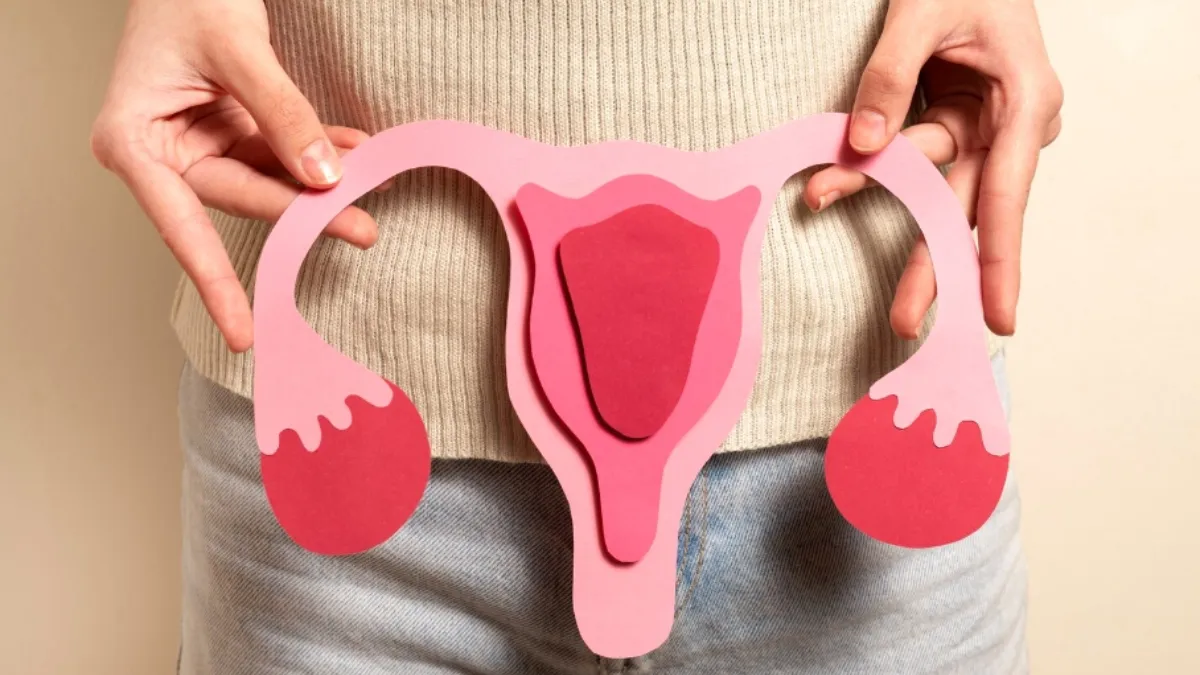
Polycystic Ovary Syndrome (PCOS) is not simply a hormonal condition; it is something that has a profound impact on the physical, emotional, and social lives of many women. Although it is so common, it is generally misunderstood, misdiagnosed, or disregarded as "just irregular periods".
The fact of the matter is that PCOS is a diagnostic label for a chronic condition that requires awareness, compassion, and ongoing management. We will go through it all step by step so that you will have the necessary information and tools to take ownership of your health.
[This article is reviewed by Dr Usha M Kumar, Director – Obstetrics & Gynaecology, Max Smart Super Speciality Hospital, Saket.]
What is PCOS?
Polycystic Ovary Syndrome (PCOS) is a disorder characterised by abnormal production of male hormones (androgens) from the ovaries, leading to hormonal imbalance. This can disrupt ovulation, resulting in irregular or absent periods, the presence of small cysts in the ovaries, and a variety of metabolic and physical symptoms.
Prevalence In India, there is approximately 1 in 5 women of reproductive age having PCOS. Data worldwide suggests that between 8 and 13% of women can experience PCOS, although many women remain undiagnosed, perhaps due to variations in symptoms and awareness.
What causes PCOS?
The precise reason why PCOS occurs is not entirely known. However, studies indicate that a few factors must converge to cause the disorder:
- Hormonal imbalance: PCOS sufferers have elevated levels of androgens (male hormones) and insulin resistance. This, in turn, influences ovulation, metabolism, and the health of the skin.
- Genetic influences: PCOS tends to be inherited from family members. If you have a mother or sister with the condition, you are also more likely to develop PCOS.
- Lifestyle and environment: A lack of exercise, eating poorly, weight gain, and excessive stress may worsen PCOS symptoms. Curiously, even normally weighted women can develop PCOS.
PCOS symptoms to watch for
PCOS doesn’t look the same for everyone. Symptoms may vary, but common ones include:
- Irregular or missed menstruation
- Excess facial or body hair (hirsutism)
- Constant acne and oily complexion
- Weight gain or failure to lose weight
- Thinning or loss of scalp hair
- Inability to get pregnant due to irregular ovulation
- Mood changes, such as anxiety, low self-esteem, and depression
Because of this, many women go undiagnosed for years.
PCOS and related health risks
If left untreated, women are more likely to develop:
- Infertility Caused by Problems with Ovulation
- Type 2 diabetes and insulin resistance
- High blood pressure and cholesterol, which raise the risk of heart disease
- Sleep apnea (in overweight women)
- Endometrial cancer (due to the absence of normal shedding of the uterine lining)
- Mental health problems such as depression and anxiety
How PCOS is diagnosed
Doctors use a combination of approaches:
- Physicians employ a combination of several methods.
- Medical history and physical examination to evaluate symptoms like acne, excessive hair growth, and changes in weight.
- Blood tests to evaluate levels of hormones, insulin resistance, and cholesterol.
- Ultrasound scans – to investigate polycystic ovaries (many cysts on the ovaries)
- Rotterdam criteria: PCOS is diagnosed if a woman presents with at least two of the following three signs: (1) oligomenorrhoea or irregular periods, (2) hyperandrogenism (high androgen levels), and (3) polycystic ovaries.
PCOS treatment options
There isn't one size that fits all. Treatment is tailored based on whether the primary concern is fertility, skin, irregular menses, or metabolic health.
Medications:
- Birth control pills to normalise menstrual cycles and control the overproduction of androgens.
- Anti-androgen drugs to reduce acne and hair growth.
- Metformin to improve insulin sensitivity and regulate blood glucose levels
- Fertility treatment: Drugs such as clomiphene or letrozole are prescribed to stimulate ovulation; in some cases, IVF is done.
- Symptom control: dermatological (acne), dietary (weight), and psychological (counselling).
Lifestyle changes for managing PCOS
- Lifestyle contributes the most to the long-term management of PCOS. The greatest results arise from the small changes performed regularly.
- Diet: Select a low glycaemic index, high-fibre diet with anti-inflammatory foods—whole grains, fresh vegetables, lean proteins, nuts, and omega-3-rich foods.
Exercise (strength, cardio, yoga)
- Stress management: Sleep hygiene, meditation, and mindfulness decrease stress-related hormones.
- Weight management: A modest weight loss of 5–10% can improve fertility significantly by restoring ovulation.
PCOS and fertility
- PCOS is one of the leading causes of infertility due to its impact on ovulation. But that does not mean impossibility.
- Several women become pregnant successfully naturally after changes in lifestyle and medication.
- Fertility therapy, such as ovulation induction, IUI, or IVF, can provide additional help.
- Psychological help is no less critical than medical care—counselling and support groups assist women in handling the stress of fertility problems.
PCOS and pregnancy
Women with PCOS can definitely have healthy pregnancies, but it is advisable to know some risks:
- Increased risk of gestational diabetes, preeclampsia, miscarriage, and premature birth.
- Diabetes planning, blood glucose monitoring, healthy eating, and frequent follow-ups minimise the risk.
PCOS diet plan (Doctor/Nutritionist Recommended)
Foods to eat:
- Whole grains (brown rice, oats, quinoa)
- Fresh fruits & vegetables
- Lean proteins (chicken, fish, legumes)
- Nuts, seeds, olive oil
Foods to avoid:
- Refined carbs (white bread, pasta)
- Sugary foods & drinks
- Processed snacks and fried items
Sample daily meal plan:
- Breakfast: Oats with chia seeds and berries
- Lunch: Grilled chicken/fish with quinoa and sautéed vegetables
- Snack: Nuts or roasted chana
- Dinner: Lentil soup with whole wheat roti and salad
PCOS and mental health
It is draining emotionally to live with PCOS. Women and men who have PCOS often feel isolated due to body dissatisfaction and irregular and painful menses that impact their fertility.
Research indicates depression and anxiety are two to three times more frequent among women with PCOS.
It is helpful for some individuals to learn new coping mechanisms for the trauma, including looking for therapy, writing in a journal, exercising, and socialising with others who have the disorder.
If emotional issues are interfering with daily functioning, professional assistance is necessary.
PCOS: Patient tips and long-term outlook
Schedule routine medical check-ups and tests to track sugar, cholesterol, and reproductive health.
Establish a support group—rely on family and friends or PCOS groups.
Maintain a cycle and symptom journal to enable you and your physician to detect patterns.
Above all, bear in mind that PCOS is treatable. With the right management, most women lead full, healthy lives and can give birth successfully.
FAQs about PCOS
Can PCOS be cured?
No, but it can be effectively managed through lifestyle changes, medication, and regular monitoring.
What’s the difference between PCOS and PCOD?
They’re often used interchangeably, but PCOS is more severe and involves hormonal imbalance and metabolic issues, while PCOD refers to having multiple cysts in the ovaries without major hormonal disruption.
Is weight loss possible with PCOS?
Yes, though it may be harder. Combining diet, exercise, and medical support makes weight loss achievable.
Does PCOS always cause infertility?
No. Many women with PCOS conceive naturally, while others may need medical support. PCOS may delay pregnancy but doesn’t mean it’s impossible.
Medically reviewed by
Dr. Usha M Kumar
Director - Obstetrics & Gynaecology, Max Smart Super Speciality Hospital, Saket
Specialty: Obstetrics & Gynaecology
Reviewed on: September 17, 2025
