
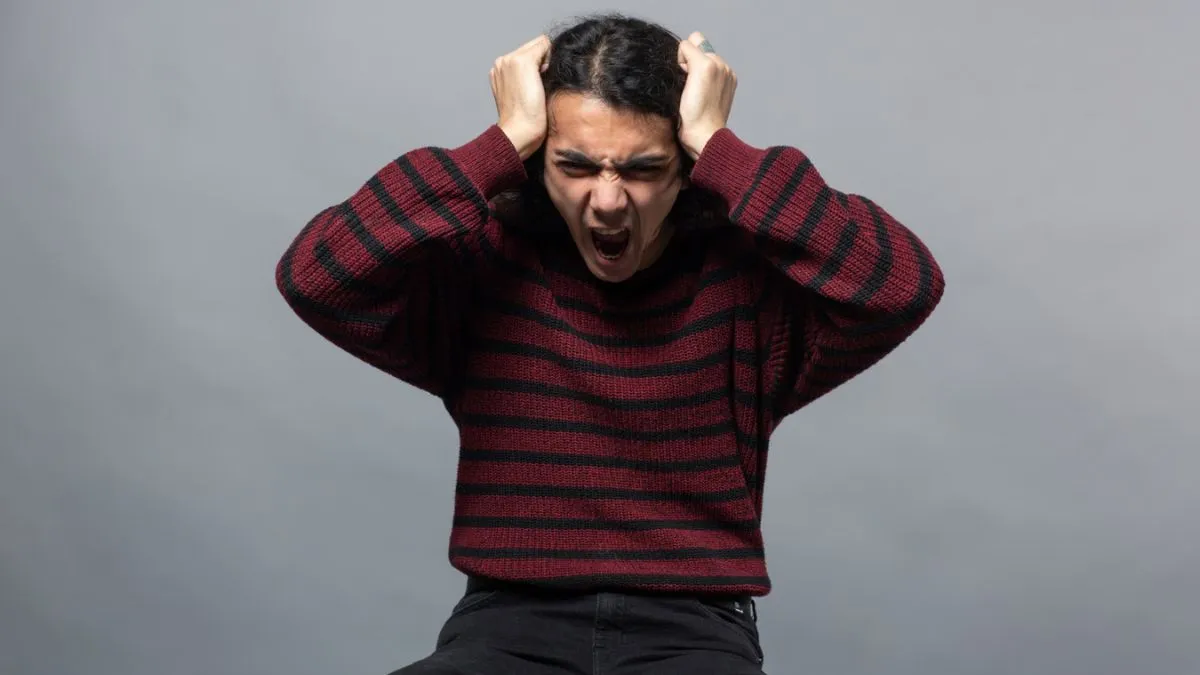
Panic attacks are often misunderstood. If you have never had one, it can sound like an overreaction. A bit of anxiety, maybe. Something that should pass if you just calm down. But that is not how it feels from the inside.
For Dr Brian Hoeflinger, a US-based neurosurgeon with over two decades of experience, it is far more intense. In an Instagram video shared on March 30, he tried to explain that feeling in a way people could actually grasp. Not just as a doctor, but as someone who has lived through it for nearly 20 years.
What a panic attack actually feels like
Clinically, a panic attack is described as a sudden surge of fear with strong physical symptoms, even when there is no real danger. According to the Cleveland Clinic, it can include sweating, breathlessness, a racing heart and a sense that something is seriously wrong.
Most attacks last anywhere between 5 to 20 minutes, though some can stretch longer. It can feel so intense that people often mistake it for a heart attack. And if there is any doubt, doctors usually recommend getting checked, just to rule out anything physical.
Why the fear feels so real and overwhelming
Dr Hoeflinger tried to explain the experience through an image.
He said, “Imagine that you're hiking... onto a smooth granite plateau 3,000 feet above the valley below... as you're taking it all in, suddenly you feel your feet slip on the wet stone, and you start to slide downward.”
From there, everything speeds up. “Your heart starts racing immediately, your body tenses and you're trembling, and you start to hyperventilate... the situation is out of control as you slide faster and closer towards that ledge.”
The key part, he explained, is the complete loss of control. “You feel the impending doom of yourself falling off the cliff... and there's no way to stop it,” he said, adding, “The fear is uncontrollable, and you are now in full-blown panic because you think that you're going to die at any second.”
Why panic attacks happen without real danger
The strange part is not the reaction itself. The body is doing exactly what it is designed to do in a life-threatening situation.
The issue is where it happens.
Dr Hoeflinger explained, “Take that same reaction and put yourself in a much safer environment like a classroom, a restaurant, at a friend's party, a pet store, an aeroplane, a cruise ship, or even in your own bedroom at home. That is exactly what a panic attack feels like.”
He described it as a sudden episode of uncontrollable fear and impending doom, but without any real threat present.
When medical knowledge becomes personal
What makes his explanation stand out is that it is not just clinical.
Dr Hoeflinger shared, “It's one of the most absolute worst feelings to ever experience in your life, and I know because I had uncontrollable panic attacks for nearly 20 years.”
That overlap between professional understanding and personal experience adds a different kind of clarity. It is not just theory. It is something lived through.
He summed it up simply. “You literally feel like you are going to die if you don't get out of that situation.”
How to manage a panic attack in the moment
Managing a panic attack is not about forcing it to stop instantly. It is more about helping your body recognise that it is safe.
Guidelines from organisations like the Mayo Clinic, WHO and Cleveland Clinic suggest focusing on grounding techniques. That means shifting attention away from the internal sensations and back to your surroundings.
A few things that can help:
- Focus on something you can see, hear or touch around you
- Slow down your breathing, even if it feels difficult at first
- Remind yourself that the feeling, while intense, will pass
- Stay where you are if possible instead of trying to escape immediately
Over time, lifestyle changes and professional support can also make a difference. But in that moment, the goal is simple. Help your nervous system come back to a place where it feels safe again.
The part people often miss
Panic attacks can feel isolating because the fear has no visible cause. From the outside, everything looks normal. Inside, it feels like something is about to go terribly wrong.
That disconnect is what makes it hard to explain.
And that is also why explanations like this matter. The fear may not come from a real threat, but the experience itself is very real.
Disclaimer: Tips and suggestions mentioned in the article are for general information purposes only and should not be construed as professional medical advice.
ALSO READ: How to stop a panic attack? A psychiatrist’s guide to causes, symptoms, and recovery
