
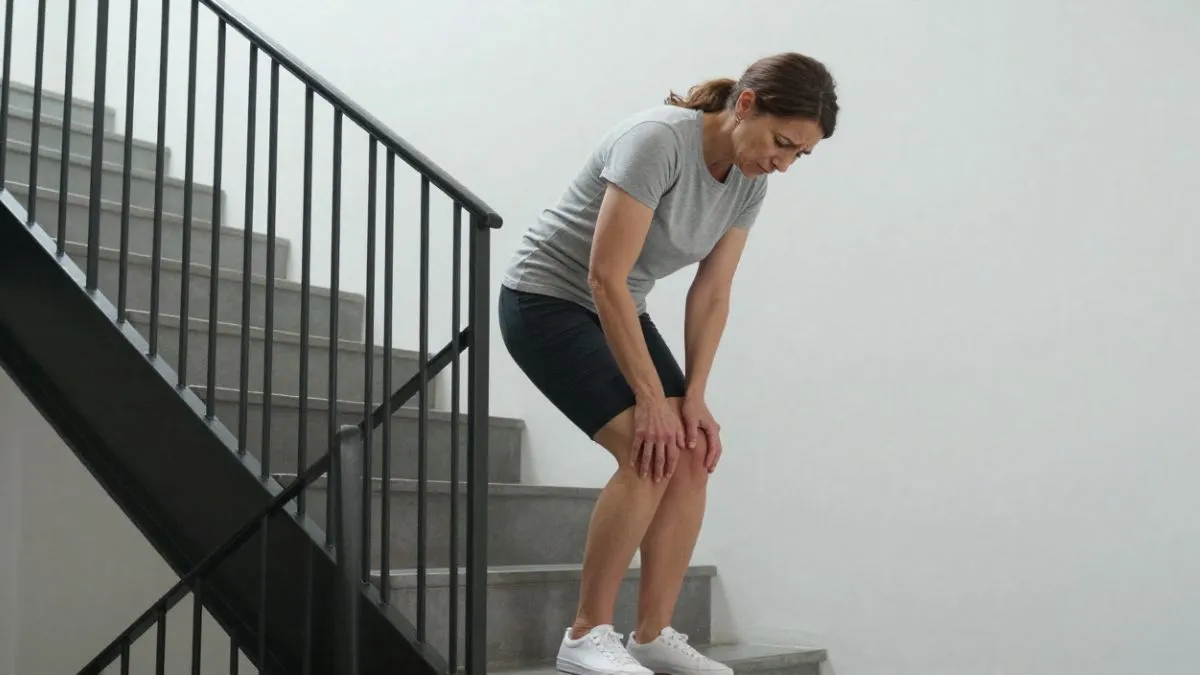
Do you feel unusually tired while climbing stairs? Struggling to get up from a chair or walk short distances without discomfort? Doctors say these seemingly minor issues may signal something more serious, osteomalacia.
According to Dr Nikheel Pansare, Consultant – Robotic Joint Replacement & Sports Injury – Arthroscopy Surgeon at Manipal Hospital, Kharadi, Pune, patients often ignore the early signs until the condition progresses. Let's dig deeper.
What is osteomalacia?
Osteomalacia is the softening of the bones due to defective mineralisation. For bones to be strong, the body must have the necessary calcium, phosphate, and vitamin D. If the levels of vitamin D fall significantly in the body, the amount of calcium absorbed is compromised. Contrary to osteoporosis, which is prevalent in older people, osteomalacia impacts bone quality and may appear at any age.
Early signs that are often ignored
Dr Pansare describes a recent case of a woman in her 40s who complained of exhaustion while climbing stairs and persistent body aches. Tests later revealed a significant vitamin D deficiency, the most common cause of osteomalacia.
Common early symptoms include:
- Weakness in the hips and thighs
- Difficulty getting up from a chair
- Trouble climbing stairs
- Dull, persistent bone pain
- Pain radiating from the lower back to the pelvis and legs
Because the discomfort develops gradually, many people dismiss it as ageing or general fatigue. In advanced stages, walking may become slow and unsteady, sometimes described as a “waddling gait”.
Why cases are rising
Doctors say urban lifestyles are partly to blame. Reduced sun exposure due to long hours indoors lowers natural vitamin D production. Diets lacking in calcium-rich foods further increase risk.
Certain liver, kidney or intestinal disorders can also interfere with vitamin D metabolism, increasing the likelihood of developing osteomalacia.
Diagnosis and treatment
Diagnosis usually involves various blood tests to determine the levels of calcium, phosphorus, and vitamin D. In addition, X-rays or bone scans might detect the loss of bone mineral structure.
Treatment focuses on:
- Vitamin D Supplementation
- Calcium correction
- Dietary changes
- Safe, regular sun exposure
Symptoms usually improve within weeks to months after therapy starts. However, delayed diagnosis can lead to fractures, deformities and even the need for orthopaedic surgery to restore mobility.
When to see a doctor
Persistent muscle weakness, unexplained bone pain, or worsening difficulty in walking should not be ignored.
“The body often gives early warning signs of deficiency,” Dr Pansare notes. Early detection can prevent long-term complications and help individuals return to an active lifestyle.
Disclaimer: Tips and suggestions mentioned in the article are for general information purposes only and should not be construed as professional medical advice. Always consult your doctor or a dietician before starting any fitness programme or making any changes to your diet.
Also read: Think posture is ruining your joints? Orthopaedic surgeon breaks down 8 ways to prevent injuries
