
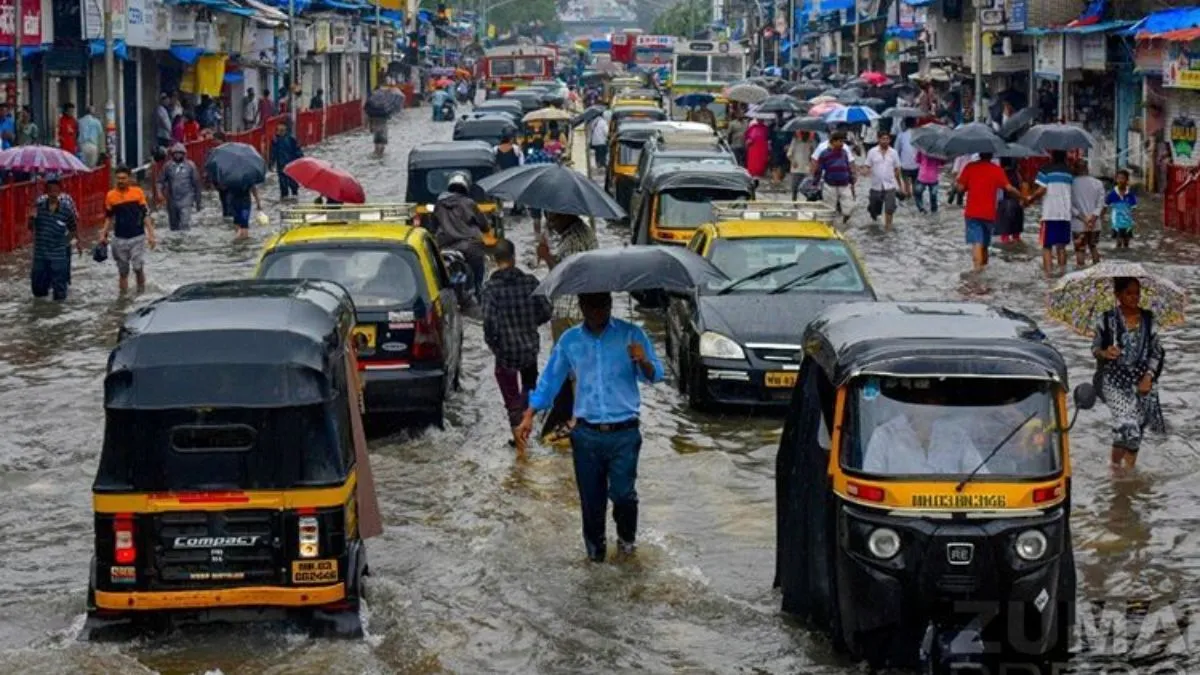
Mumbai has been witnessing incessant rains for the past few days. Several essential services have been disrupted and waterlogging has been reported in several parts of the city. The IMD has issued a Red Alert for Thane, Ghats of Nasik, Pune and Satara. With rains, there is also a rise in bacterial and viral infections.
Doctors in Mumbai are seeing more cases of leptospirosis and stomach infections during the monsoon season. This increase is mainly due to contaminated water, poor sanitation and more exposure to harmful germs. Read on as Dr. Narander Singla, Lead Consultant – Internal Medicine at the CK Birla Hospital®️, Delhi shares why there is a spike in leptospirosis and stomach infections during the Mumbai rains.
Spike in Leptospirosis during rains
Leptospirosis often spreads through contaminated water or soil, especially in flooded areas where the bacteria can enter the body through cuts, scrapes, or mucous membranes. Infected animals like rats, dogs, and cattle also shed the bacteria, which further pollutes the environment. People who wade through stagnant water or walk on wet streets without proper shoes are especially at risk.
Stomach infections during rains
Dr. Singla says that stomach infections, such as gastroenteritis, are also increasing because the high humidity and moisture during the monsoons promote the growth of bacteria and viruses in food and water. Poor sanitation, waterlogging and eating or drinking contaminated items further heighten the risk.
Preventive measures for leptospirosis and stomach infections
To stay safe, doctors recommend avoiding stagnant water, wearing protective shoes, practicing good hygiene, washing hands often and drinking boiled water. If symptoms like fever, chills or stomach pain appear, getting medical help quickly is crucial.
ALSO READ: Leptospirosis in Monsoon: What is it? Know symptoms, causes and treatments
